How Video Games Influence Modern Pop Culture and Entertainment Trends

The influence of video games on modern pop culture has grown far beyond the boundaries of traditional entertainment. What was once considered a niche hobby for dedicated enthusiasts has evolved into a global cultural force that shapes not only media consumption but also fashion, music, film, and digital communication practices. Video games now operate as shared social spaces where millions of players interact, compete, and co-create content, forming communities that transcend geographical boundaries.
This integration into daily life has positioned gaming as one of the most influential drivers of entertainment trends in the digital age, redefining audience expectations for interactivity, narrative engagement, and cultural participation. Moreover, the rise of streaming platforms, social media, and esports has amplified the impact of video games on the broader cultural landscape, allowing moments from games to become viral content that resonates even beyond traditional gaming communities.
Video Games as a Cultural Mainstream Phenomenon
Video games have successfully transitioned from isolated, niche experiences into mainstream cultural products with widespread influence. Major franchises, from role-playing epics to first-person shooters, not only entertain but also shape how stories are constructed, how characters are developed, and how audiences perceive narrative structures. Game narratives increasingly rival films and television series in terms of complexity, emotional resonance, and production quality, often incorporating cinematic techniques, branching storylines, and rich world-building that invite players to engage deeply. This immersion fosters emotional attachment and cultivates shared cultural knowledge among players, creating a foundation for communities that discuss, critique, and celebrate these interactive experiences collectively.
As gaming communities expand, they develop and propagate shared cultural references, memes, and specialized online language that rapidly circulate across social media. Platforms such as Twitch, YouTube Gaming, and Discord serve as amplifiers, allowing gameplay moments, dramatic victories, and humorous fails to gain viral status within hours. These shared cultural touchpoints shape collective identity, reinforcing video games as central to youth culture and digital discourse. In this context, video games are no longer peripheral entertainment—they actively define contemporary cultural norms, aesthetics, and digital communication patterns, influencing how stories are told and how audiences participate in entertainment.
Esports, Events, and the Rise of Spectator Gaming
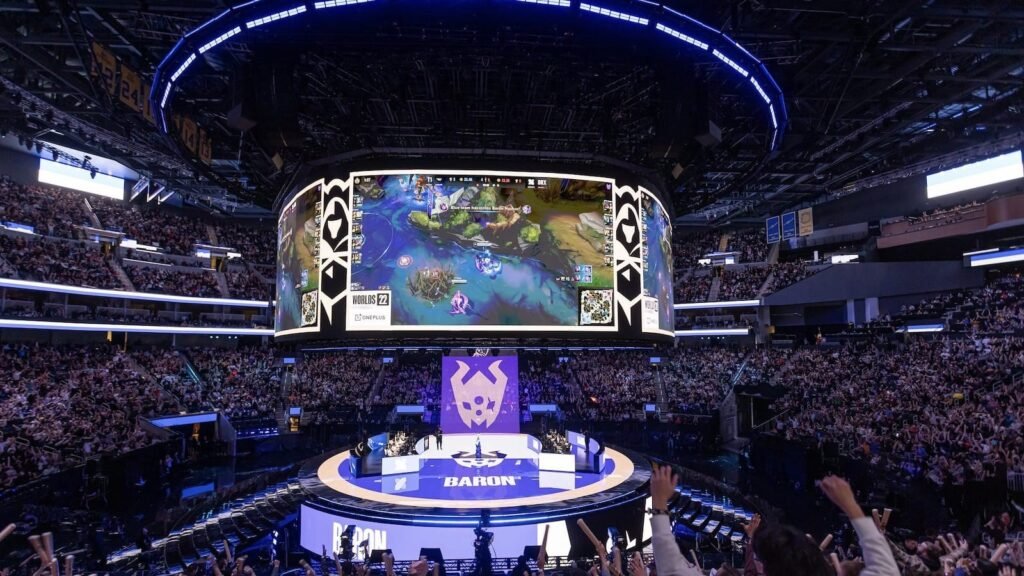
Competitive gaming, or esports, has played a pivotal role in integrating video games into mainstream global entertainment. Large-scale tournaments attract millions of viewers worldwide and generate storylines that rival traditional sports, creating heroes, rivalries, and seasonal narratives that audiences follow with dedication. Esports events demonstrate how interactive competition can serve as both entertainment and social spectacle, blending live commentary, fan interaction, and multi-platform streaming into a cohesive cultural phenomenon. Events centered around titles like Counter-Strike exemplify how competitive formats shape engagement, media coverage, and commercial opportunities.
Within this growing ecosystem, high-profile tournaments such as the cs2 major operate as more than mere competitive milestones. These events influence streaming trends, sponsorship strategies, and esports visibility within mainstream entertainment media, highlighting gaming as a spectator-driven medium with cultural relevance. By providing structured narratives, high-stakes competition, and community interaction, such tournaments normalize video games as a spectator activity and create touchpoints for fans to interact across social platforms. This dynamic fosters a sense of collective experience, turning gaming into a shared cultural ritual and contributing to the normalization of esports as a legitimate form of entertainment alongside traditional sports and live performance.
Cross-Industry Influence: Music, Film, and Fashion
The influence of video games extends far beyond the confines of gameplay, permeating other entertainment industries and shaping broader cultural trends. Musicians and performers frequently collaborate with game developers to release exclusive tracks, host in-game concerts, or craft interactive experiences that blend music and gameplay. These initiatives not only generate new revenue streams but also redefine audience engagement, allowing fans to participate in immersive musical events within virtual worlds. Similarly, film and television adaptations of popular games highlight the narrative depth and fan appeal of gaming intellectual property, demonstrating that story-driven games can function as valuable transmedia franchises.
Fashion and consumer goods industries are also increasingly influenced by video games. Brands often integrate game-inspired aesthetics, virtual items, digital skins, and interactive avatars into their marketing campaigns. By drawing from gaming culture, fashion lines create products that resonate with digitally native audiences and reinforce the symbiotic relationship between virtual and real-world identity expression. This cross-industry influence demonstrates that video games are not only cultural products but also catalysts for innovation in style, branding, and consumer interaction, further cementing their role as trendsetters across multiple domains.
Social Interaction and Digital Identity Through Games
Modern video games serve as vibrant social platforms where players can express identity, creativity, and personal style. Features such as character customization, digital avatars, and in-game social hubs allow users to construct virtual identities that often reflect contemporary cultural trends, values, and self-perception. These environments foster creative expression while providing opportunities for social interaction, collaboration, and community building, thereby influencing how audiences perceive digital community norms, social hierarchies, and interpersonal communication.
Online multiplayer games and expansive virtual worlds encourage sustained engagement through collaborative challenges, competitive play, and community events. Gamers develop bonds, form guilds, and participate in events that extend beyond the gameplay itself, creating shared cultural experiences and social networks that persist over time. By integrating social connection into gameplay mechanics, video games reinforce their role as essential platforms for digital identity formation and cultural participation, further solidifying their position within the broader framework of modern pop culture.
Conclusion
Video games have emerged as a defining element of modern pop culture and entertainment trends, influencing the ways audiences consume media, express identity, and engage socially. Through esports, cross-industry collaborations, and immersive digital social spaces, gaming has transformed from a niche pastime into a global cultural force with far-reaching impact. High-profile competitive events like the cs2 major illustrate how gaming functions as both entertainment and a shared cultural ritual, while cross-media collaborations reinforce its influence across music, film, and fashion. As technological innovation and creative expression continue to evolve, video games will remain central to shaping global entertainment culture, driving interactive storytelling, and defining cultural trends for years to come.

Alexia is the author at Research Snipers covering all technology news including Google, Apple, Android, Xiaomi, Huawei, Samsung News, and More.