How We Replaced a Broken Garage Door Spring in Grand Prairie in Under 2 Hours
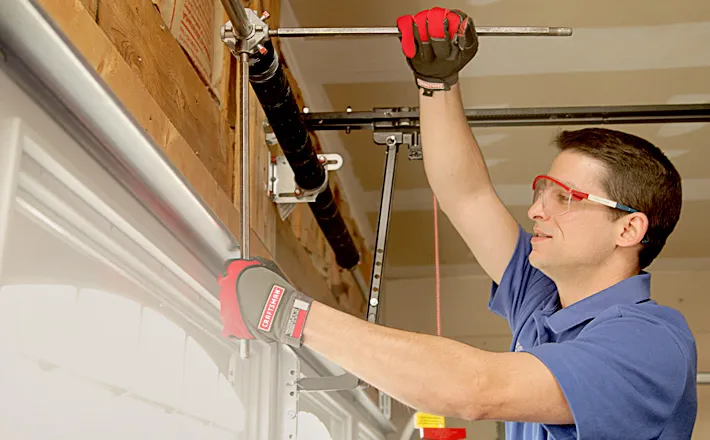
If you’re searching for fast, reliable garage door repair Grand Prairie, look no further than Metro Garage Door Repair. Whether it’s a broken spring replacement, a stuck door, or a sudden hardware malfunction, our expert team is always ready to deliver top-notch garage door service with a smile. We recently completed an emergency spring repair in Grand Prairie that took less than two hours from call to completion. This demonstrates how experience, preparation, and proper protocols come together to ensure safe, effective repairs—even in unexpected situations.
What Happened at the Grand Prairie Home
Picture this: A quiet residential street in Grand Prairie, Texas. It’s early morning, and a homeowner is trying to leave for work. Suddenly, their garage door won’t open. No response from the opener. Even trying to lift it manually doesn’t work—it’s heavy, jammed, and clearly something is wrong.
The homeowner recalled hearing a loud “bang” the night before but didn’t think much of it. Now they were stuck. Fortunately, they found Metro Garage Door Repair and gave us a call. Since this was classified as an emergency garage repair, we prioritized it and dispatched a technician immediately.
Within 30 minutes, one of our garage technicians in Texas was on-site. After a short conversation and visual inspection, it was clear: they had a broken torsion spring—a common but critical issue in garage door systems.
Signs of a Broken Garage Door Spring
It’s crucial to note that springs are one of the most important components in your garage door system. They carry the full weight of the door, allowing it to open and close smoothly. When a spring fails, everything stops.
Here are the signs the homeowner reported, expanded for better understanding:
- Loud Noise: The loud snapping sound the night before was actually the spring breaking under tension. This is one of the most common symptoms and often sounds like a firecracker going off in your garage.
- Heavy Door: The door couldn’t be lifted manually. Springs do the heavy lifting; when they fail, even strong individuals may struggle to budge the door an inch.
- Opener Straining or Not Working: The garage door opener was functioning but clearly struggling. In some cases, modern openers will shut down entirely when spring failure is detected to prevent further damage.
- Gap in the Spring: A visible gap in the torsion spring above the garage door is a definitive sign. Springs are tightly wound, and when they snap, they separate visibly at the break point.
Garage door repair issues like these shouldn’t be ignored, as forcing the door can result in bent tracks, snapped cables, or even personal injury.
Initial Inspection: What Our Technicians Look For
When our technician arrived, they began with a comprehensive, safety-first inspection of the entire garage door system. We do this not only to identify the issue but to assess any other components that may have been affected.
Here’s what we look for:
- Spring Integrity: We examine whether one or both springs are damaged and check for any signs of weakening or stretching on the companion spring.
- Cable Condition: Frayed, tangled, or slack cables can mean additional stress or misalignment caused by the spring failure.
- Drum & Shaft Alignment: A broken spring may affect how the shaft rotates, causing uneven tension distribution and risking long-term damage.
- Opener Strain: We listen for abnormal motor noises and inspect the travel limits and force settings to ensure the opener hasn’t been damaged.
By conducting this deep dive early on, we ensure a long-lasting, safe repair—not just a temporary fix.
Torsion vs. Extension Springs: Which One Was Broken?
Interestingly, garage doors use one of two spring systems—torsion or extension—and identifying the correct one is vital for a proper repair.
In this case, the door used a torsion spring, mounted above the garage door with a winding cone and drum on each side. These springs store energy by being tightly wound and are known for their smoother operation and longer lifespan.
Extension springs, on the other hand, run along the sides of the door and stretch to provide lifting force. These are more common in older homes and require safety cables to prevent damage if they snap.
It’s worth mentioning that torsion springs are more complex to work with, but offer optimal performance and safety when installed correctly—which is why they’re preferred for residential garage door systems today.
Safety Protocols Before Starting Spring Repairs
Spring repair in Grand Prairie, or anywhere else, should never be done casually. One might argue that spring replacement is just about swapping a part—but the reality is far more dangerous.
Here’s how we prepare safely:
- Disengage the Opener: Prevents accidental activation during repairs.
- Clamp the Door in Place: Keeps the door from crashing down unexpectedly, which could cause injury or damage to the structure.
- Use Certified Tools: Only proper winding bars and rated gear are used—never makeshift tools like screwdrivers, which can slip under high tension.
- Protective Gear: Eye protection, gloves, and non-slip footwear are mandatory for our techs.
It’s common knowledge that improperly handling a high-tension torsion spring can cause serious injury. That’s why we pride ourselves on being both fast and safe.
Tools and Parts We Used for the Repair
Our technician arrived fully equipped with a mobile service truck loaded with tools and replacement parts. For this specific repair, we used:
- High-cycle Torsion Spring: Designed for 25,000+ cycles for extended lifespan.
- Winding Bars: Used to safely apply tension to the new spring.
- Torque Wrench & Clamps: For precision calibration and door stability.
- Safety Cables: Inspected and reinforced to prevent future failures.
- Lubrication Products: High-grade garage door lubricant to reduce friction and noise.
By preparing thoroughly before every call, we’ve got you covered for even rare or customized spring types—unlocking quicker turnarounds.
The Actual Spring Replacement Process Explained
Let’s delve into the actual repair sequence:
- Secured the Area: The opener was unplugged, and the door clamped in place to prevent sudden movement.
- Released Spring Tension: Used winding bars to unwind the broken spring safely without incident.
- Removed the Broken Spring: Took out the damaged spring and inspected the shaft for scoring or rust.
- Installed the New Spring: Positioned the new spring and carefully wound it to the manufacturer-recommended torque.
- Balanced the Door: Checked that the door stayed halfway open without drifting—a clear indicator of proper spring tension.
- Lubricated All Moving Parts: Applied lubricant to rollers, hinges, and bearings to improve operation.
Each step was performed with care and attention to detail—because striving for excellence is in our DNA.
Challenges Faced During This Specific Job
This Grand Prairie repair wasn’t without its quirks:
- Tight Overhead Clearance: Required angled tool use and more precise winding technique.
- Non-Standard Spring Sizing: We adjusted the replacement on-site using an adapter cone.
- Opener Starting to Fail: Flagged it for follow-up service since the motor was nearing end-of-life.
Despite these hurdles, the job was completed cleanly, thanks to the technician’s years of experience and on-the-spot problem-solving skills.
Time Breakdown: Why It Took Less Than 2 Hours
From this perspective, here’s how the two-hour service window broke down:
- 35 Minutes for Full Inspection: Ensured the problem wasn’t more extensive than initially assumed.
- 45 Minutes for Spring Removal and Installation: Aided by having the correct parts on hand.
- 15 Minutes for Testing and Cleanup: Included opener syncing, lubrication, and a courtesy sweep of the workspace.
- 20-Minute Buffer: Built into our process to handle surprises without delays.
In a nutshell, our readiness and skillset helped us unleash efficiency and complete a same day repair that other companies might push off until the next morning.
Post-Repair Testing and Balancing
Before leaving, we:
- Tested the Door 5+ Times: Both manually and with the opener to ensure consistency.
- Checked for Smooth Operation: No jerks, bumps, or hesitation during travel.
- Reprogrammed Safety Sensors: Ensured the auto-reverse worked as intended.
These checks significantly reduce the chance of future failures and help keep families safe.
Client Feedback and Final Walkthrough
The homeowner was impressed by both our speed and professionalism. After completing the service, our technician provided:
- Visual Walkthrough of the New Spring: Educating the homeowner about how it works.
- Garage Maintenance Tips: How to spot future issues and when to lubricate.
- Discussion of Opener Upgrade Options: Since the unit was starting to show its age.
Their final comment?
“It felt like a breath of fresh air—you guys handled everything so fast and clearly knew what you were doing.”
When to Call for Spring Repair in Grand Prairie
Wondering if you need spring repair? Here’s when it’s time to call Metro Garage Door Repair:
- The door won’t open or close all the way
- You hear a sudden loud snap or bang from the garage
- You notice a visible gap in the spring or fraying cables
- The door feels off balance or heavier than usual
In this realm of home maintenance, timing is everything. It’s essential to call a professional at the first sign of spring failure—especially if you want to avoid costly damage to other garage components.
Frequently Asked Questions (FAQ)
How long do garage door springs last?
Typically between 7 and 10 years or about 10,000 cycles. High-cycle springs can last longer.
Can I replace a spring myself?
It’s widely acknowledged that spring repair is dangerous. We highly recommend hiring trained technicians to prevent serious injury.
What’s the cost of spring repair in Grand Prairie?
Depends on the spring type, door size, and labor. We offer competitive, upfront pricing with no hidden fees.
Do I need to replace both springs?
If one has failed, the other is likely close to failure too. Replacing both ensures balance and longevity.
Is garage door maintenance really necessary?
Yes. A twice-a-year check-up with lubrication and inspection can prevent major breakdowns and extend the lifespan of your system.
In conclusion, this spring replacement project in Grand Prairie highlights how Metro Garage Door Repair delivers fast, reliable, and professional solutions—without the long wait times or inflated costs. Whether you’re facing an emergency or planning routine upkeep, we understand the importance of keeping your residential garage door in optimal condition.

Alexia is the author at Research Snipers covering all technology news including Google, Apple, Android, Xiaomi, Huawei, Samsung News, and More.