Identifying and Managing Seasonal Allergies in Young Children
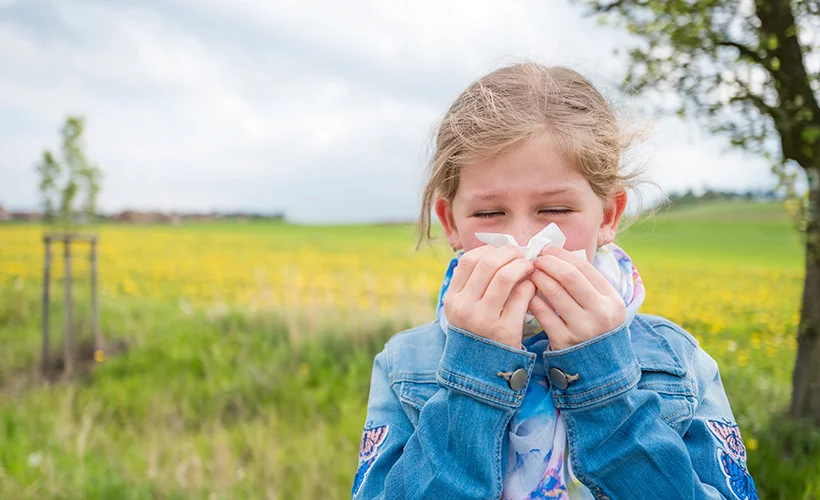
We all look forward to the longer days and warmer weather, but for plenty of children, the arrival of spring means the start of sneezing season. It can be really difficult to tell if a little one is coming down with a bug or if they are reacting to pollen. Whether you are a parent or a foster carer, trying to work out why a child is miserable is often half the battle.
Is it a Cold or Hay Fever?
It is easy to get mixed up because the symptoms look so similar. A child with a bog-standard cold will usually have a temperature and their mucus tends to turn thick and green after a few days. With allergies, you rarely see a fever. Instead, look for a constantly runny nose with clear liquid, and lots of sneezing.
You might also notice them rubbing their eyes or doing an “upward nose rub” with the palm of their hand because it itches. If you see dark, puffy circles under their eyes, that is another classic clue. If these signs stick around for weeks rather than clearing up in a few days, pollen is likely the culprit.
Simple Changes at Home
You can’t wrap children in cotton wool, but you can lower the amount of pollen they breathe in at home. One old trick is putting a tiny bit of petroleum jelly around the rim of their nostrils; it acts like a trap for pollen before it gets up the nose.
On high pollen days, try to keep windows shut. It is also worth thinking about laundry. Drying sheets and clothes on the washing line smells lovely, but the fabric picks up pollen which then ends up right next to the child’s face. Using a tumble dryer or an indoor airer is a safer bet during allergy season. Also, getting them to have a quick shower or wash their hair before bed stops them from sleeping in pollen they’ve collected during the day.
Getting Medical Advice
Sometimes home remedies aren’t enough. A quick chat with a local pharmacist can be really helpful, as they can suggest liquid antihistamines or eye drops suitable for young children.
If you are looking after a foster child, you will need to be mindful of permissions before giving any medication. Always check the placement plan or give your supervising social worker a ring. Your fostering agency, such as Foster Care Associates, will have specific guidelines on over-the-counter medicines, and they can help ensure you have the green light to treat the symptoms properly.
Mood and Behaviour
Constant itching and a blocked nose can make anyone grumpy, but for a child, it is exhausting. They might sleep badly, leading to tantrums or trouble focusing during the day. If a child seems unusually irritable or tearful, consider that they might just be physically uncomfortable. A bit of extra patience and acknowledging that they feel rotten can help them feel supported.
Helping Them Enjoy the Outdoors
Seasonal allergies are a nuisance, but they shouldn’t stop children from having fun outside. By keeping an eye on the pollen count and having a plan in place for the bad days, you can help manage the sniffles. It just takes a bit of detective work and some practical adjustments to get them back to playing happily in the garden.

Alexia is the author at Research Snipers covering all technology news including Google, Apple, Android, Xiaomi, Huawei, Samsung News, and More.