Immersive Technologies on the Rise, Expected to Near $90bn by 2030

Immersive technology has long been touted as the next step for the entertainment and media industry at large. Total immersion in a digital creation or a setting filmed in the real world and projected across someone’s senses is the stuff of sci-fi stories, and yet, we’ve had access to such tech for many years. To date, however, the immersive hardware that we’d think of, like virtual reality sets, hasn’t quite broken into the mainstream.
Still, market research points to immersive technology having been valued at around $44 billion in 2024. From there, the projects expected to see a compound annual growth rate of 26.9 percent, and growth has been fairly consistent since then. This would make it a $184 billion market by 2030. So, where is immersive technology at today, what is the most mainstream of immersive tech, and what will technologies on the rise now do to further the sector and propel it towards this mighty valuation?
Immersion through Live Streaming
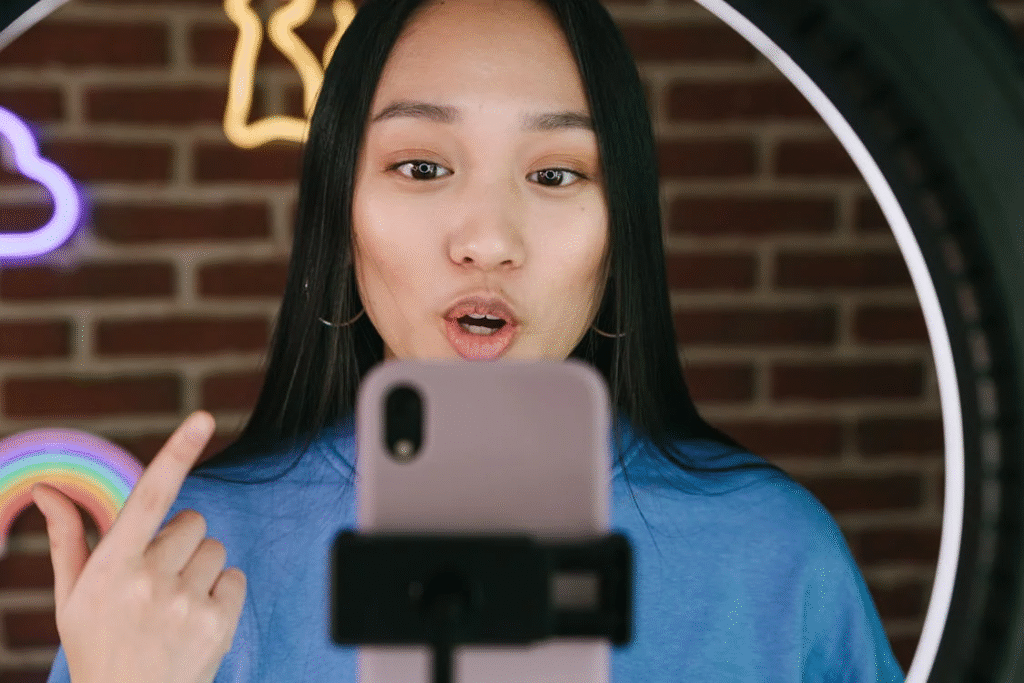
Live streaming is, arguably, the most mainstream form of immersive technology around right now. Since the turn of the decade, adoption of the tech through dedicated platforms has skyrocketed. Twitch has headlined the ongoing trend, forcing YouTube to step up its efforts by introducing HDR live streaming in 2020 for those using supported encoders. Higher fidelity video automatically makes a live stream or any stream more immersive.
This technology has been utilized by many other entertainment platforms that aren’t dedicated live streaming platforms, too. Since as far back as 2007, live casino games have offered the most immersive table game experiences online. This way to play has become so ubiquitous, owing to its immersive selling point, that, today, for many different categories of online casino games, such as online roulette, you’ll find the selection teeming with zany livestream variants, such as Live Speed Roulette or Live Fashion TV Roulette. Plenty of these games use Hollywood-style multiple camera setups, allowing players to feel close to the action at all moments.
Moving forward, this level of immersion and interactivity looks set to be utilized in eCommerce with live shopping. It’s been slow to take off beyond China, but it’ll almost certainly have its heyday in western continents sooner or later. These live streams typically feature trusted influencers whose opinions go a long way toward shaping audience perceptions of a product. This in and of itself raises an important point about immersion through live streaming: whether on YouTube or Twitch, live casino games, or in live shopping, interactivity and spontaneity are key, but arguably the most vital common denominator is human connection. Immersion is all well and good, but if the audience feels like they’re just talking to a machine, they’re likely not going to feel as motivated to follow the experience through to completion.
Building Virtual and Augmented Reality
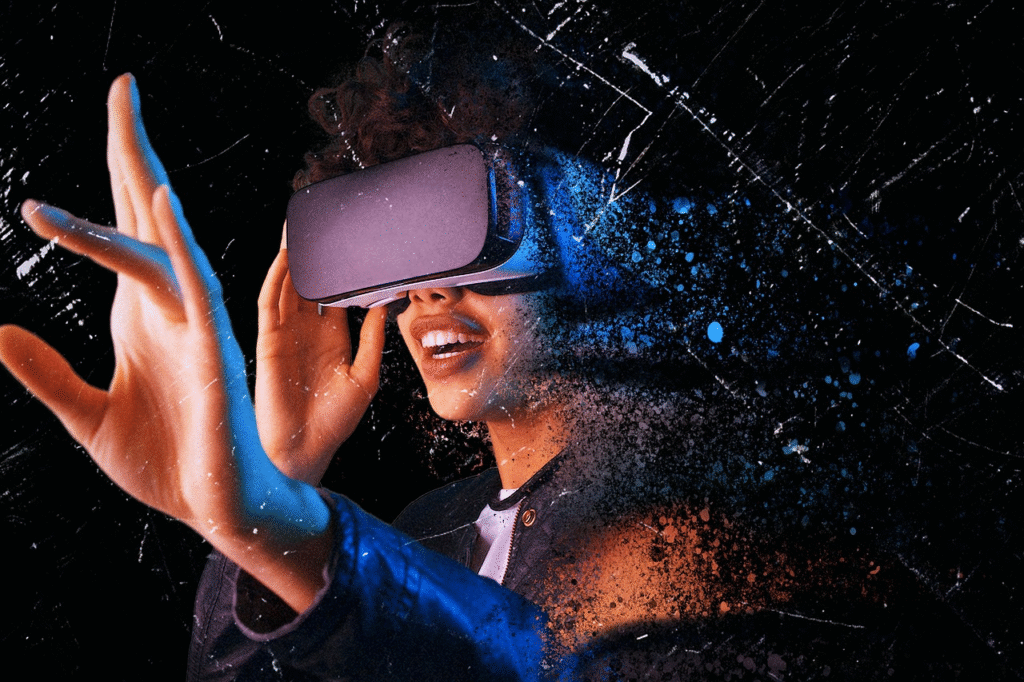
Virtual reality has long been touted as the next industry-changing technology, but adoption has been slow. The simple fact is that the hardware is rather inconvenient. To make use of its experiences, you need to don an invasive headset, possibly set up additional sensors or pylons, and be cut off from the outside world. This is why augmented and extended reality have been given more focus, including by Google in response to Apple’s product.
Augmented reality has been utilized in a convenient way, but through apps on phones rather than standalone devices. The rampant Go apps, for example, tap into AR tech to set the experiences in the real world. Apple wants to take this kind of approach another step further with its newish hardware, Apple Vision Pro. Again, though, it’s a fairly cumbersome headset and, while there are some interesting experiences available through the tech, above all else, the price is massively inconvenient.
Technologies to Further Bolster Immersive Entertainment
With each new release of virtual reality and mixed reality headsets like the Meta Quest, Index, and Apple Vision Pro, they’ll become more comfortable, better suited to long sessions, and have more desirable entertainment experiences to access. This is the natural progression of hardware and, presumably, one company will eventually discover the magic formula and it’ll pour out across mainstream audiences.
As is the case with just about every technology sector right now, it’s tough not to see artificial intelligence as a path to even better experiences within immersive technologies. In theory, applying a well-taught AI program could increase the speed and processing power of experiences to make them more seamless and realistic. From there, responsiveness could be enhanced, as could the ability for the experiences to adapt to user preferences.
The adoption of immersive hardware has been relatively slow, but less costly and invasive immersive technologies have boomed already. To reach the estimated market value of $184 billion, it seems as though the tech will need a boost from some kind of manufacturing advancement or, potentially, the application of powerful software like AI.

Alexia is the author at Research Snipers covering all technology news including Google, Apple, Android, Xiaomi, Huawei, Samsung News, and More.