Indonesia’s iPhone 16 Ban Could End “Very, Very Soon,” Says Government Minister
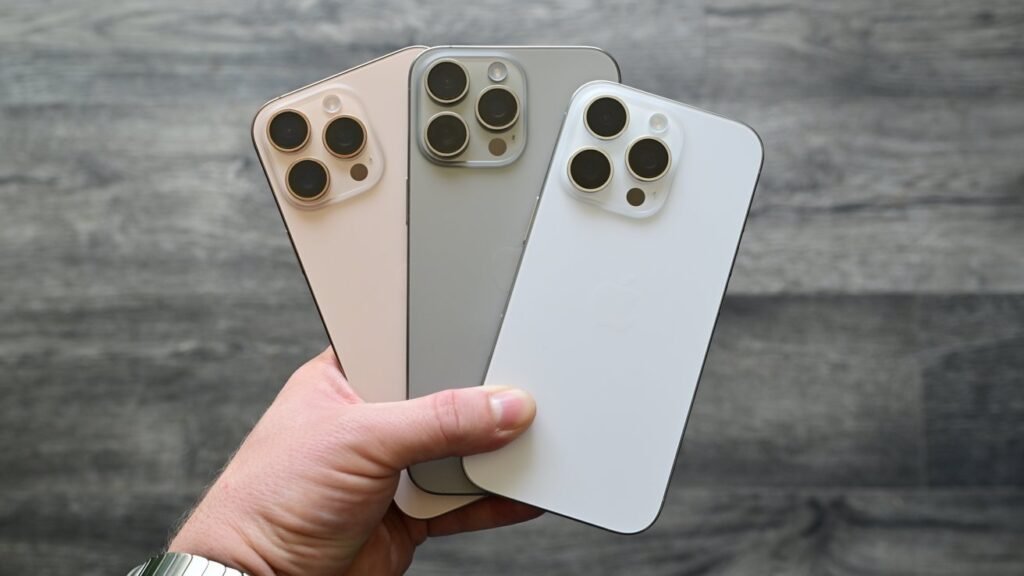
The nearly four-month-long ban on iPhone 16 sales in Indonesia may soon come to an end, according to a government minister. The ban, which began in October 2024 just weeks after the iPhone 16 launched, was instituted due to local laws requiring the use of domestically sourced components and Apple’s failure to meet its investment commitments in the country.
Reasons Behind the iPhone 16 Ban
Indonesia’s requirements for locally sourced components are stringent, with firms reportedly needing to produce 35% to 40% of a device’s components within the country. While Indonesia has allowed exceptions in the past, Apple was unable to meet the requirements this time. The company previously benefitted from a deal allowing it to invest in Indonesia in other ways instead of meeting the content quota. Apple’s commitment under this arrangement was $110 million, but the company fell short, investing only around $95 million.
Following the implementation of the ban, Apple reportedly made several offers to resolve the issue, starting with an additional $10 million investment, which Indonesia rejected. Subsequent offers of $100 million and a $1 billion investment were also deemed insufficient. The $1 billion offer proposed building an AirTags manufacturing facility in Indonesia, but the country’s Industry Minister, Agus Gumiwang Kartasasmita, stated that the factory would not directly contribute to iPhone 16 production and, therefore, could not lift the ban.
Negotiations Nearing Resolution?
Recent reports from Bloomberg suggest that prolonged negotiations between Apple and the Indonesian government may finally be nearing a conclusion. Investment Minister Rosan Roeslani expressed optimism about resolving the issue soon.
“I strongly believe it will resolve very, very soon,” Roeslani said. “Hopefully within one or two weeks this issue can be resolved.”
While specifics of the potential deal remain unclear, Roeslani hinted that Apple may not be required to fully meet the local content quota. “The way they calculate it is different, I think,” Roeslani said. “Now they find a solution on that one, so hopefully they accept the discrepancies so we can have the iPhone 16 sold in Indonesia.”
Neither Apple nor the Indonesian government has provided further details on what the deal entails. However, earlier statements from the Industry Minister indicated that Apple’s $1 billion investment offer was “not sufficient.” This suggests Apple may have made a larger or alternative offer to address the government’s concerns.
The Challenge of Local Manufacturing for Apple
Moving a significant portion of iPhone component manufacturing to Indonesia would represent a major restructuring for Apple, especially since the company currently has no manufacturing operations in the country. While Tim Cook had previously expressed willingness to consider manufacturing in Indonesia, such an effort would be a monumental undertaking.
In contrast, Huawei recently announced plans to manufacture smartphones in Indonesia. Partnering with a local Indonesian firm, Huawei aims to produce around 30 different phones and tablets in the country.
What’s Next?
As negotiations continue, the fate of the iPhone 16 in Indonesia remains uncertain. While optimism grows for a resolution, it’s unclear whether Apple’s new offer will involve significant investments, further exceptions to local regulations, or a combination of both.
For now, Indonesian consumers and Apple enthusiasts alike will have to wait as both parties work to finalize an agreement.