Insane RAM prices are slowing the launch of the new Playstation and Xbox
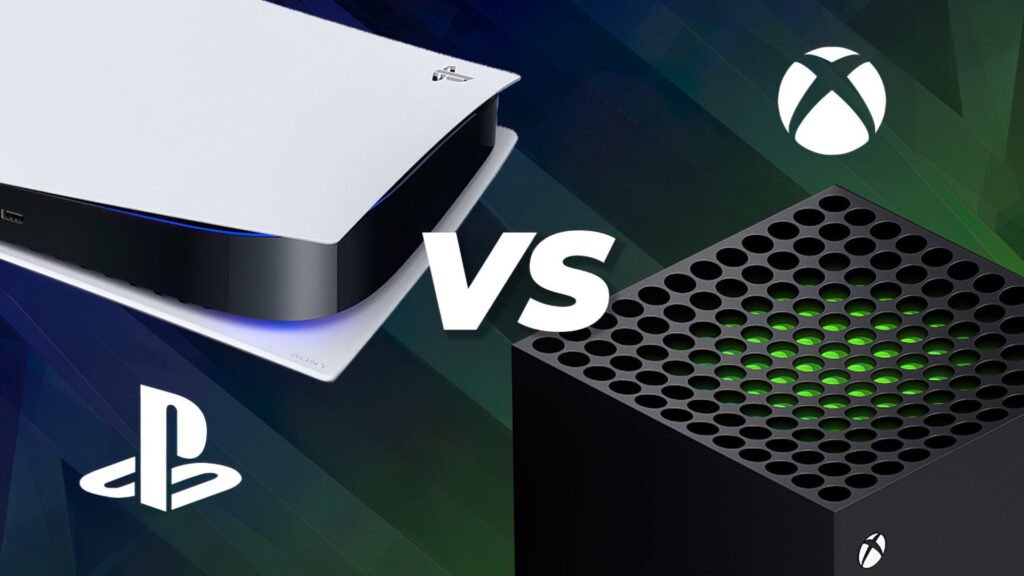
The ongoing AI boom is taking its toll: exploding memory prices could shake up the start of the next generation of consoles. Manufacturers are discussing postponements internally in order to prevent costs from escalating for end customers.
AI boom drives up hardware costs
The ongoing boom in artificial intelligence applications is increasingly having an impact on the consumer electronics market. The prices for RAM have been rising significantly for months as manufacturers use their capacity primarily for chips in the data center sector. This puts the plans of major console providers under pressure. Sony and Microsoft are working on the next generation of PlayStation and Xbox, which is currently expected for late 2027 or early 2028. However, current costs make competitive pricing difficult.
Manufacturers are waiting
The reason for this is the focus of major memory manufacturers such as Samsung, SK Hynix and Micron on particularly high-margin HBM memory for AI applications. Classic GDDR and DDR RAM, which is installed in consoles and PCs, is becoming scarcer and more expensive. Since game consoles are often sold at or below cost price, rising component prices could prevent a market entry price. As now Insider Gaming reports several manufacturers are internally examining a possible postponement of the next generation of consoles. The aim is to gain time to expand production capacities and hope for falling storage prices. Without relaxation on the market, new consoles could become significantly more expensive than the usual 500 to 600 euros.
The report is based on internal documents, but this has not been officially confirmed. According to Insider Gaming, the tense situation could also have consequences for the current generation of consoles. Price increases are even conceivable for 2026, instead of the usual price reductions in the life cycle. Savings through more efficient manufacturing would therefore be offset by higher RAM costs.
Price concerns for Valve’s hardware
PC-based gaming systems are also affected. According to reports, Valve is planning a new “Steam Machine” based on Steam OS for spring 2026. The system should be equipped with 16 GB of DDR5 RAM and eight GB of graphics memory. Given the sharp rise in memory prices, the widely expected price of $500 hardly seems realistic.
Observers expect that Valve would either have to increase the price or subsidize the hardware. The development shows how heavily the gaming industry depends on global semiconductor trends. As long as AI applications tie up a large proportion of production capacity, high hardware prices are likely to remain.

Digital marketing enthusiast and industry professional in Digital technologies, Technology News, Mobile phones, software, gadgets with vast experience in the tech industry, I have a keen interest in technology, News breaking.