Intel Core i9-14900KF crosses 9 GHz barrier
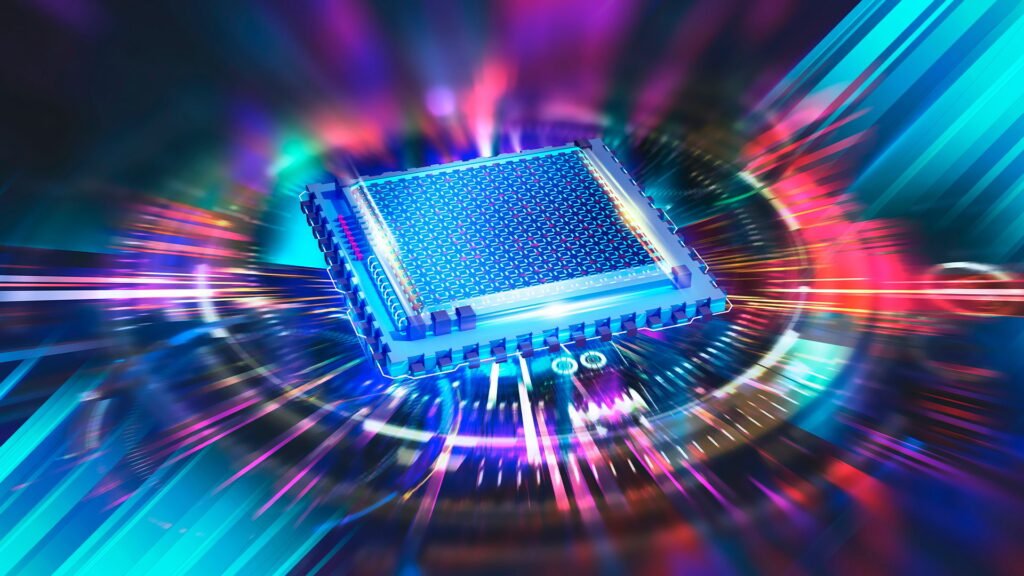
In principle, overclocking a CPU isn’t all that complicated. However, to penetrate the spheres into which a professional in this field has now achieved with an Intel Core i9 requires very special tools. Windows 7 was probably one of them.
World record Intel processor
Competitive overclocking pushes processors to their performance limits and beyond. There are official associations that record the clock frequencies achieved in compliance with a set of rules in ranking lists. Now there is a new frontrunner. The Chinese overclocker wytiwx has set a new world record with an Intel Core i9-14900KF.
During the Try on January 12th The Raptor Lake Refresh CPU achieved a maximum clock frequency of an impressive 9.12 GHz (9121.61 MHz). This makes the processor only the second in history to break the 9 GHz sound barrier. Previously, an Intel Core i9 14900KS with 9.11 GHz (9117.75 MHz) had only achieved this in March 2024.
Special conditions
As is usual with modern records, the chip was cooled down to almost -260 °C using liquid helium. In addition, the processor’s efficiency cores were turned off and hyperthreading was disabled. An astonishing detail on the side: During the record attempt, wytiwx used a system with Windows 7 as the OS. It is not known whether there was a specific reason for this.
After the overclocking record was held by an AMD FX-8370 with 8.72 GHz for almost eight years from 2014 to 2022, an Intel Core i9-13900K was able to break the record. Since then, Intel’s Raptor Lake processors have dominated the list. But new records were also achieved in other areas with the newer Core Ultra 285K.
Not just an end in itself
Of course, the values achieved have nothing to do with the usual processor frequencies and therefore have no immediate significance for ordinary owners of a comparable CPU. However, such record attempts collect data that can be helpful in developing and improving the chips. Now that the 9 GHz limit has fallen, the medium-term goal is now 10 GHz. In order to exceed this threshold, another new architecture is probably required.