Interior Innovation: Why Steel Handrails Are Growing in Popularity
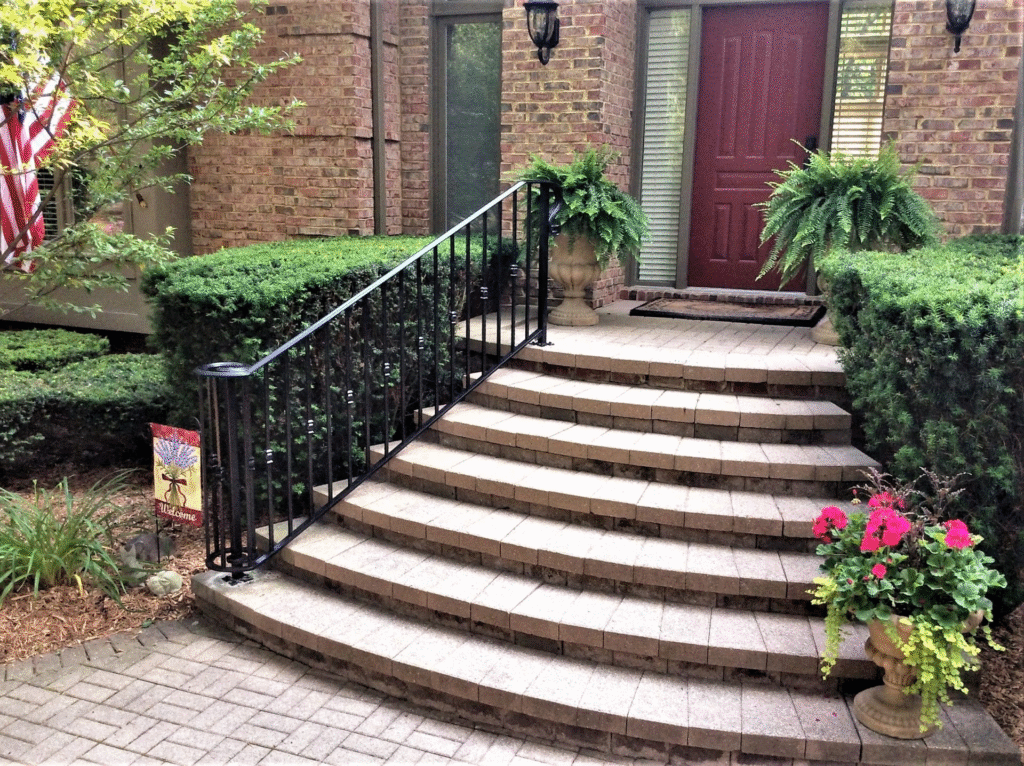
Interior design is constantly evolving, blending function with aesthetics in ways that redefine how we experience our homes and workplaces. Some innovations come in bold, sweeping gestures like open-concept layouts or floor-to-ceiling windows. Others are more subtle but no less impactful. Steel handrails fall into this latter category a design element once considered purely practical that has now become a statement of modern style.
The rise of steel handrails reflects a larger shift in architecture and interior design: an emphasis on details that are as functional as they are beautiful. Where once wood dominated and wrought iron was favored for ornate finishes, steel has carved out a space of its own, balancing strength, elegance, and versatility.
The Shift Toward Modern Minimalism
One of the primary reasons for the growing popularity of steel handrails is their alignment with modern minimalist design. Homeowners and designers alike are seeking interiors that feel open, clean, and uncluttered. Steel handrails naturally support this vision.
With their straight lines, slim profiles, and polished finishes, steel handrails offer structure without overwhelming the visual flow. They allow staircases to blend seamlessly into open spaces, complementing glass, stone, or wood elements without competing for attention. Unlike bulkier alternatives, steel feels light yet purposeful, perfect for homes aiming for a balance of elegance and utility.
This minimalist quality extends beyond residential spaces. Offices, hotels, and retail environments are embracing steel handrails to reinforce a sense of professionalism and contemporary sophistication.
Durability Meets Design
The beauty of steel handrails lies not only in their appearance but in their performance. Interior upgrades are an investment, and durability is as important as design. Unlike wood, which can warp or splinter over time, or iron, which is prone to rust, steel remains steadfast.
This strength ensures that steel handrails don’t just look sleek they actively contribute to long-term safety. Staircases are one of the most frequently used features in a building, and steel rails provide a dependable grip that won’t weaken under constant use. Families, in particular, benefit from the peace of mind that comes with knowing the structure is built to last.
Design-wise, steel also allows for customization. Powder-coated finishes can deliver anything from glossy modern whites to bold matte blacks, while stainless steel can provide a timeless, brushed appearance. This adaptability makes steel handrails suitable for a variety of interiors, from industrial lofts to suburban family homes.
A Contemporary Take on Tradition
Steel handrails are also growing in popularity because they offer a modern alternative to traditional choices without abandoning the sense of craftsmanship people value. For centuries, ornate wrought iron handrails defined elegance in staircases, especially in historic homes and grand architectural settings. Steel has taken the durability of iron and reimagined it with cleaner lines and versatile finishes, offering homeowners a way to honor tradition while embracing a modern lifestyle.
This blend of old and new is especially appealing in spaces that balance classic architecture with contemporary upgrades. Steel can highlight historic features rather than compete with them, creating a harmony between eras that feels both fresh and timeless.
Safety as a Design Priority
Another factor in steel’s rise is its role in improving everyday safety. Stairs are among the most common places for slips and falls, particularly for children, seniors, and guests unfamiliar with a space. A reliable handrail is more than a design choice it’s a necessity.
Steel handrails are built to provide dependable support. Their sturdiness surpasses many alternatives, ensuring they remain strong even in high-traffic settings. For designers and homeowners, this means they can prioritize safety without compromising aesthetics. In fact, the strength of steel becomes part of its appeal: a feature that reassures as much as it impresses.
Versatility Across Spaces
The adaptability of steel handrails also plays a big role in their growing popularity. Indoors, they work as subtle, polished accents for staircases, mezzanines, or loft walkways. Outdoors, their weather-resistant finishes make them equally reliable for patios, decks, and garden steps.
What makes steel truly versatile is its ability to blend with other materials. Glass and steel combinations highlight transparency and openness. Wood paired with steel provides warmth alongside durability. Even concrete or stone staircases benefit from the definition that steel rails provide. This range of pairings makes steel a go-to material for designers working across a wide spectrum of styles.
Cost-Effective and Low-Maintenance
Beyond design and safety, practicality has a lot to do with steel’s appeal. Homeowners are increasingly looking for upgrades that add value without demanding constant upkeep. Steel handrails check both boxes.
Their durability means they don’t need to be replaced or refinished often, and they resist wear from daily use. Cleaning is simple a quick wipe with a damp cloth keeps them looking polished. For busy households or commercial properties, this low-maintenance quality makes steel an efficient, cost-effective choice.
At the same time, the initial investment often pays off in increased property value. Staircases framed by modern steel rails stand out in real estate listings, signaling thoughtful design and reduced long-term maintenance costs.
Steel Handrails as a Design Statement
While practical advantages make them popular, steel handrails are increasingly valued for their ability to define the character of a space. A floating staircase with slim steel rails can become the centerpiece of a modern home. A traditional staircase updated with clean steel lines can feel rejuvenated without losing its roots.
The beauty lies in their subtlety. Steel doesn’t overwhelm; it enhances. It frames the staircase in a way that feels intentional and complete, proving that sometimes the most powerful design features are the ones working quietly in the background.
Final Thoughts
The growing popularity of steel handrails reflects a broader movement in interior design: a recognition that the smallest details often have the biggest impact. They combine durability, safety, and versatility with a style that feels modern yet timeless.
For homeowners, steel handrails are an investment in both form and function. For designers, they provide a flexible material that can adapt to nearly any vision. And for everyone who uses the staircase, they offer the reassurance of strength with the elegance of thoughtful design.
As interiors continue to evolve, steel handrails will remain a defining feature of spaces that value both innovation and tradition. They are proof that sometimes the best way to transform a space is through the details we touch every day.

Alexia is the author at Research Snipers covering all technology news including Google, Apple, Android, Xiaomi, Huawei, Samsung News, and More.