Introduction to Smart and Connected Medical Devices
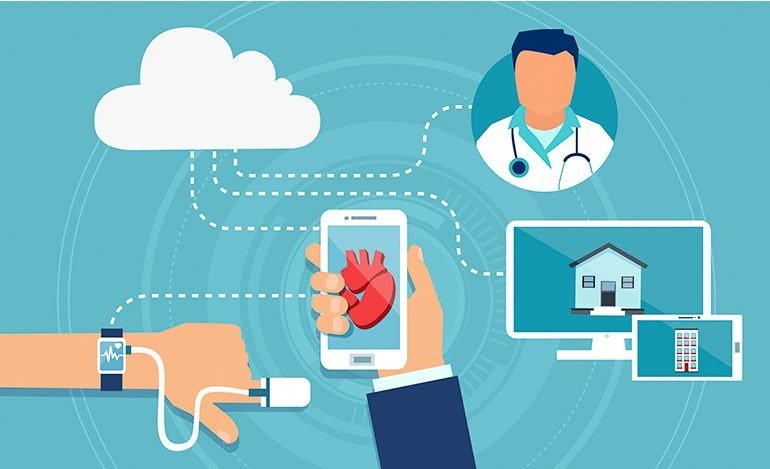
Smart and connected medical devices are redefining modern healthcare by merging medical-grade hardware with software intelligence, IoT connectivity, and data analytics. Unlike traditional standalone devices, connected medical devices can collect, transmit, and analyze patient data in real time, enabling clinicians to make faster and more accurate decisions.
These devices range from wearables and home-monitoring tools to hospital-grade diagnostic equipment and implantable devices. Their core value lies in continuous data flow, interoperability with healthcare systems, and the ability to support preventive, personalized, and remote care models.
As healthcare shifts toward digital-first and value-based care, smart medical devices have become essential—not optional—for providers, manufacturers, and MedTech startups alike.
Global Market Overview: The Rise of Connected Healthcare Technologies
The global smart medical device market is experiencing rapid growth, driven by multiple converging trends:
- Aging populations and chronic disease prevalence
- Expansion of telemedicine and home healthcare
- Increased adoption of IoT and cloud platforms
- Demand for real-time patient insights and automation
Hospitals are investing in connected monitoring systems, while consumers increasingly rely on wearables and mobile health devices. At the same time, regulators are encouraging digital health innovation while enforcing strict safety and data protection standards.

This growth has created strong demand for specialized medical device development partners that understand not only technology—but also healthcare regulations, clinical workflows, and long-term scalability.
Key Technologies Powering Smart Medical Devices
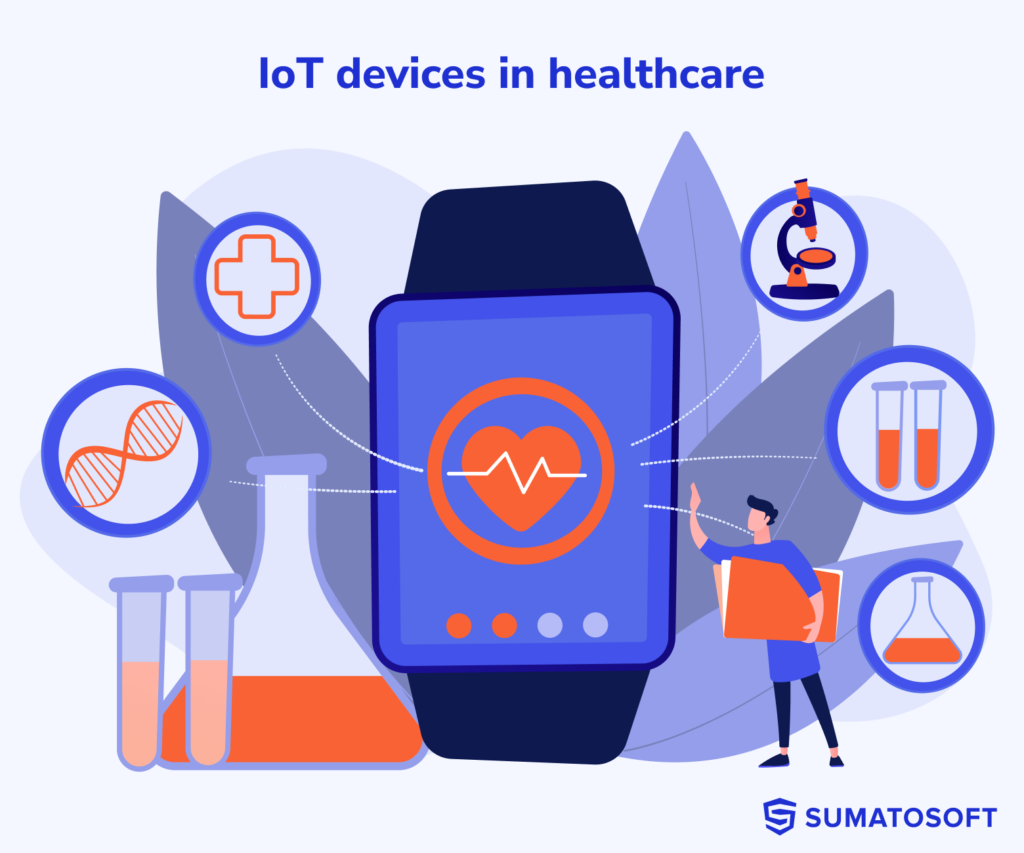
Smart medical devices rely on a sophisticated technology stack that brings hardware, software, and data together.
IoT and Sensor Technologies
At the core of connected medical devices are IoT-enabled sensors that capture vital data such as heart rate, glucose levels, oxygen saturation, motion, and temperature.
Key capabilities include:
- Continuous real-time monitoring
- Wireless data transmission (Bluetooth, Wi-Fi, LTE)
- Integration with mobile apps and clinical dashboards
High-quality sensor integration ensures accuracy, reliability, and patient safety, making it a critical area of expertise for medical device developers.
Cloud Computing and Data Analytics
Cloud platforms enable medical devices to store, process, and analyze massive volumes of health data securely.
Benefits include:
- Centralized data management
- Scalability for growing user bases
- Advanced analytics and reporting
- Seamless integration with EHR/EMR systems
Cloud-based architectures also allow manufacturers to deploy updates, monitor device performance, and improve products post-launch.
AI and Machine Learning in Medical Devices
Artificial intelligence and machine learning are transforming connected devices from data collectors into decision-support tools.
Applications include:
- Predictive diagnostics
- Pattern recognition in imaging and biosignals
- Personalized treatment recommendations
- Automation of clinical workflows
AI-powered devices improve diagnostic accuracy and help clinicians focus on patient care rather than manual data interpretation.
Cybersecurity and Data Privacy
With sensitive health data constantly in motion, cybersecurity is non-negotiable in smart medical device development.
Key considerations:
- End-to-end data encryption
- Secure device authentication
- Compliance with HIPAA, GDPR, and regional regulations
- Protection against unauthorized access and breaches
A strong security foundation builds trust with healthcare providers, regulators, and patients.
Why Choosing the Right Medical Device Development Partner Matters
Developing smart and connected medical devices is far more complex than standard software development. It requires:
- Deep healthcare domain expertise
- Regulatory and compliance knowledge
- Experience with hardware-software integration
- Long-term maintenance and scalability planning
The right partner helps reduce time-to-market, avoid costly compliance issues, and ensure patient safety. This is why many companies prefer working with specialized medical device development firms rather than general software vendors.
Top Companies Advancing Smart and Connected Medical Devices Worldwide
Yalantis – Experts in Smart & IoT-Enabled Medical Device Development

Yalantis is a global software engineering company recognized for its expertise in smart and connected medical device development. The company works closely with healthcare startups, MedTech companies, and enterprises to build secure, scalable, and compliant medical device solutions.
Organizations looking for Yalantis developers for medical devices benefit from the company’s end-to-end approach—covering discovery, architecture design, IoT integration, and long-term product support. Yalantis also brings strong capabilities in IoT product development, enabling medical devices to securely connect with cloud platforms, mobile applications, and healthcare systems.
Core Expertise
- Smart medical device software
- IoT-enabled healthcare platforms
- Cloud backends and data analytics
- Regulatory-ready development
Services
- Medical device software development
- IoT architecture and integration
- Mobile and web apps for connected devices
- Ongoing support and scaling
Cooperation Benefits
- Strong experience in regulated healthcare environments
- Agile and transparent development process
- Scalable teams with long-term partnership focus
Philips – Smart Diagnostic and Monitoring Solutions
Philips is a global leader in connected healthcare, delivering advanced diagnostic and patient monitoring systems.
Expertise
- Connected imaging systems
- Remote patient monitoring
- Data-driven clinical platforms
Cooperation Benefits
- Proven healthcare innovation
- Strong regulatory compliance
- Global hospital partnerships
Medtronic – Connected Implantable and Therapeutic Devices
Medtronic specializes in implantable and connected devices used in cardiology, diabetes care, and neurology.
Expertise
- Implantable connected devices
- Remote therapy monitoring
- Predictive patient analytics
Cooperation Benefits
- Strong clinical research foundation
- Patient safety–first approach
- Advanced R&D capabilities
GE HealthCare – AI-Driven and IoT-Enabled Medical Equipment
GE HealthCare focuses on connected diagnostic and imaging equipment supported by AI and industrial IoT.
Expertise
- Smart imaging devices
- AI-powered diagnostics
- Hospital data platforms
Cooperation Benefits
- Enterprise-grade solutions
- Strong AI and analytics focus
- Global deployment experience
Siemens Healthineers – Digital and Connected Diagnostic Systems
Siemens Healthineers delivers digitally connected diagnostic and therapeutic solutions.
Expertise
- Smart diagnostic imaging
- Connected lab systems
- Digital healthcare platforms
Cooperation Benefits
- Precision medicine focus
- Advanced integration capabilities
- Innovation-driven healthcare strategy
Boston Scientific – Smart Minimally Invasive Medical Technologies
Boston Scientific develops connected medical devices for minimally invasive procedures.
Expertise
- Smart implantable devices
- Remote patient monitoring
- Digital health integrations
Cooperation Benefits
- Patient-centric innovation
- Strong quality and compliance systems
- Long-term clinical outcome focus
Cerner (Oracle Health) – Medical Device Connectivity & Interoperability
Cerner plays a crucial role in connecting medical devices with healthcare IT ecosystems.
Expertise
- Device-to-EHR integration
- Healthcare interoperability
- Clinical data platforms
Cooperation Benefits
- Deep hospital workflow knowledge
- Scalable enterprise systems
- Strong interoperability standards
Comparison Table: Smart Medical Device Development Companies at a Glance
| Company | Core Expertise | Connected Device Focus | Ideal For |
| Yalantis | IoT, software engineering, healthcare compliance | Smart & IoT-enabled medical devices | Startups & enterprises building custom connected devices |
| Philips | Diagnostics, monitoring systems | Hospital & home-care connected devices | Large healthcare providers |
| Medtronic | Implantable & therapeutic devices | Remote monitoring & implants | Clinical & therapeutic solutions |
| GE HealthCare | Imaging & diagnostics | AI-powered connected equipment | Enterprise hospital systems |
| Siemens Healthineers | Digital diagnostics | Smart diagnostic ecosystems | Precision & digital healthcare |
| Boston Scientific | Minimally invasive tech | Smart therapeutic devices | Patient-centric device makers |
| Cerner | Health IT & interoperability | Device-to-EHR connectivity | Data-driven healthcare systems |
Key Services Offered by Smart Medical Device Development Companies
Smart medical device companies deliver end-to-end services, combining hardware expertise with advanced software development and regulatory compliance.
Medical Device Software Development
This includes designing and building software that runs on or connects to medical devices.
Key capabilities
- Device firmware & application software
- Mobile and web apps for patients and clinicians
- Device dashboards and monitoring interfaces
High-quality software ensures reliability, safety, and regulatory readiness.
IoT Product Development and Integration
IoT enables devices to communicate securely with cloud platforms and healthcare systems.
Key capabilities
- Secure device connectivity
- Real-time data transmission
- Integration with mobile apps and hospital systems
IoT is essential for remote monitoring, predictive analytics, and scalable healthcare solutions.
Embedded Systems Engineering
Embedded systems form the backbone of smart medical devices.
Key capabilities
- Sensor integration
- Low-power hardware optimization
- Firmware development and testing
Strong embedded engineering ensures accuracy, stability, and long device life.
Cloud Platforms and Data Management
Cloud platforms enable centralized data processing and analytics.
Key capabilities
- Scalable cloud infrastructure
- Secure data storage
- Integration with EHR/EMR systems
- Real-time analytics and reporting
Cloud-based systems also support updates, performance monitoring, and long-term device optimization.
Regulatory Compliance and Quality Assurance
Compliance is critical in healthcare technology.
Key focus areas
- FDA, MDR, HIPAA, GDPR readiness
- Risk management and documentation
- Validation, testing, and quality audits
Experienced developers reduce regulatory risks and speed up approvals.
Benefits of Working with Experienced Medical Device Developers
Partnering with specialized medical device developers offers major advantages:
- Faster time-to-market
- Reduced regulatory and security risks
- Proven healthcare domain expertise
- Scalable architecture for future growth
- Long-term maintenance and support
Such partners understand the clinical, technical, and regulatory realities of connected healthcare.
Regulatory and Compliance Considerations in Connected Medical Devices
Connected medical devices must meet strict regulatory standards to ensure patient safety and data protection.
Key considerations
- Patient data privacy and consent
- Secure data transmission and storage
- Device validation and documentation
- Post-market surveillance and updates
Ignoring compliance can lead to delays, penalties, or product recalls—making experienced partners essential.
How to Select the Best Company for Smart Medical Device Development
Choosing the right development partner is a strategic decision.
Technical Expertise
Look for proven experience in:
- IoT and cloud architecture
- Embedded systems
- AI and data analytics
Technical depth ensures device reliability and future readiness.
Healthcare Domain Experience
Healthcare-specific knowledge is crucial.
Evaluate
- Previous MedTech or healthcare projects
- Understanding of clinical workflows
- Experience with EHR/EMR integrations
Domain expertise reduces costly misunderstandings and rework.
Security and Compliance Capabilities
Security must be built in from day one.
Check for
- Strong cybersecurity practices
- Regulatory compliance experience
- Secure development lifecycle
Trust and safety are non-negotiable in healthcare.
Scalability and Long-Term Support
Smart medical devices evolve over time.
Ensure the partner offers
- Post-launch support
- Scalability planning
- Continuous optimization
Long-term collaboration ensures sustained product success.
Future Trends in Smart and Connected Medical Devices
The next generation of connected healthcare will be shaped by:
- AI-driven diagnostics and decision support
- Home-based and wearable medical devices
- Digital twins and personalized medicine
- Greater interoperability across healthcare systems
- Predictive and preventive care models
Companies combining IoT, AI, cloud, and healthcare compliance will lead this evolution.
Conclusion: The Future of Connected Healthcare Innovation
Smart and connected medical devices are transforming healthcare delivery worldwide—making care more accessible, personalized, and data-driven. From IoT-enabled wearables to AI-powered diagnostic systems, innovation in this space depends heavily on the right technology partners.
By working with experienced medical device development companies such as Yalantis and other global leaders, healthcare organizations can accelerate innovation, maintain compliance, and build scalable solutions that truly improve patient outcomes. The future of healthcare is connected—and the companies advancing it today are shaping tomorrow’s medical landscape.

Alexia is the author at Research Snipers covering all technology news including Google, Apple, Android, Xiaomi, Huawei, Samsung News, and More.