iPhone can soon be controlled by brain implant
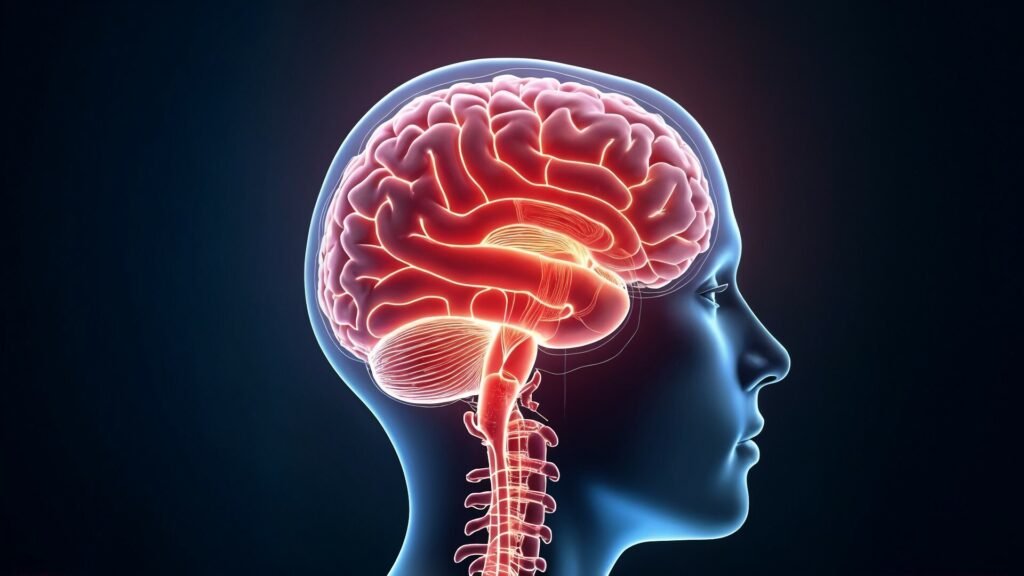
Apple wants to publish a standard for controlling its devices via brain implants this year. Iphones should then simply be operated by thinking a user of the desired interaction.
Open industrial standard
The standard should then also be made available to other companies in industry, reports that Wall Street Journal. The specifications in cooperation with the medical technology company are developed synchronously. This has developed an implant called “Stentrod”, which is inserted into a vein near the motor brain bark. It can read out brain signals and convert them into control commands for electronic devices-including iPhones, iPads and Apple’s virtual reality headset Vision Pro.
Already last year, a test with an ALS patient attracted attention: With the help of the synchronized implant, this menu was able to serve Pro vision and experience the Swiss Alps virtually. The technology arouses great hopes, especially in people with paralysis. Synchron also operates an information portal for people who want to participate in future studies.
Despite the progress, experts warn. It will still take a while before technologies such as those of Synchron or Neuralink are widespread in everyday life. Bob Farrell, Vice President of the Technology Test Corporate Applause, emphasizes: “Even if the possibilities are increasingly impressive, one should not forget that full inclusion still takes time. We still have to develop products that are already barrier-free today.”
Enemy image inclusion
Farrell praises Apple for its pioneering role in the area of inclusion and points out that other industries – such as the game industry – are now increasingly devoting themselves to the topic. “Accessibility is increasingly recognized as a social and economic advantage,” he says. However, it also remains to be seen how the new political requirements in the United States affect development.
Because the US government is working massively to reduce the inclusion of people with disabilities. In the course of this, not only state expenditure for this area is circumcised – those who are committed to inclusion even have to expect to be actively disadvantaged by the state.

Research Snipers is currently covering all technology news including Google, Apple, Android, Xiaomi, Huawei, Samsung News, and More. Research Snipers has decade of experience in breaking technology news, covering latest trends in tech news, and recent developments.