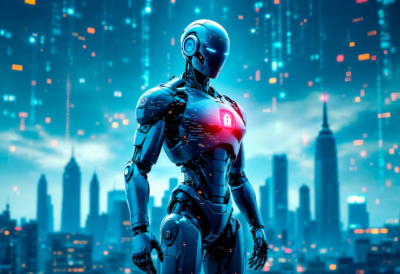
Is AI Safe to Use in Robots?

Artificial Intelligence (AI) has become one of the most transformative technologies of the 21st century, revolutionizing industries ranging from healthcare to manufacturing. One of the most exciting applications of AI is in robotics, where intelligent machines are being designed to perform tasks autonomously, interact with humans, and even make decisions. However, as AI-powered robots become more integrated into our daily lives, a critical question arises: Is AI safe to use in robots?
The answer is not a simple yes or no. While AI has the potential to enhance safety, efficiency, and convenience, it also introduces risks that must be carefully managed. Let’s explore the benefits, challenges, and safety considerations of using AI in robotics.
The Benefits of AI in Robotics
- Improved Efficiency and Precision
AI enables robots to perform complex tasks with high accuracy and consistency. For example, in manufacturing, AI-powered robots can assemble products faster and with fewer errors than human workers. In healthcare, surgical robots can perform delicate procedures with precision, reducing the risk of human error. - Enhanced Safety in Hazardous Environments
Robots equipped with AI can operate in dangerous environments, such as disaster zones, nuclear facilities, or deep-sea exploration sites. By sending robots instead of humans, we can minimize the risk of injury or death in high-risk scenarios. - 24/7 Availability
Unlike humans, robots do not need rest. AI-powered robots can work around the clock, making them ideal for tasks like monitoring, surveillance, or customer service. - Adaptability and Learning
AI allows robots to learn from their experiences and adapt to new situations. For example, autonomous vehicles use AI to navigate changing road conditions, while service robots can learn to interact more effectively with humans over time.
Safety Concerns of AI in Robotics
Despite its potential, the use of AI in robotics raises several safety concerns that must be addressed:
- Lack of Human Judgment
AI systems operate based on data and algorithms, which means they lack the intuition, empathy, and ethical reasoning that humans possess. This can lead to decisions that are technically correct but ethically questionable or harmful. For example, an autonomous robot might prioritize efficiency over human safety in certain situations. - Vulnerability to Errors and Bugs
AI systems are only as good as the data they are trained on. If the training data is biased, incomplete, or flawed, the robot’s behavior may be unpredictable or dangerous. Additionally, software bugs or hardware malfunctions can lead to unintended consequences. - Cybersecurity Risks
AI-powered robots are vulnerable to hacking and cyberattacks. A malicious actor could gain control of a robot and use it to cause harm, steal sensitive data, or disrupt critical systems. Ensuring robust cybersecurity measures is essential to prevent such scenarios. - Job Displacement and Social Impact
While not a direct safety concern, the widespread adoption of AI-powered robots could lead to job displacement and economic inequality. This could have broader societal implications, including increased social unrest or resistance to AI technologies. - Ethical Dilemmas
AI in robotics raises complex ethical questions. For example, who is responsible if an autonomous robot causes harm? Should robots be allowed to make life-or-death decisions, such as in military drones or self-driving cars? These questions require careful consideration and regulation.
How to Ensure the Safe Use of AI in Robots
To mitigate the risks associated with AI in robotics, several measures can be taken:
- Robust Testing and Validation
AI systems should undergo rigorous testing in controlled environments before being deployed in real-world applications. This includes stress-testing for edge cases and scenarios where the robot might encounter unexpected situations. - Transparency and Explainability
AI algorithms should be designed to be transparent and explainable, so that humans can understand how decisions are made. This is particularly important in high-stakes applications like healthcare or autonomous vehicles. - Ethical Guidelines and Regulation
Governments and organizations should establish clear ethical guidelines and regulations for the development and use of AI-powered robots. This includes defining accountability, ensuring data privacy, and addressing potential biases in AI systems. - Human Oversight
While AI can automate many tasks, human oversight remains crucial. Robots should be designed to work alongside humans, with mechanisms for human intervention in case of emergencies or unexpected behavior. - Cybersecurity Measures
Strong cybersecurity protocols must be implemented to protect AI-powered robots from hacking and unauthorized access. This includes encryption, regular software updates, and secure communication channels. - Public Awareness and Education
Educating the public about the capabilities and limitations of AI-powered robots can help build trust and reduce fear. It also encourages responsible use and informed decision-making.
The Future of AI in Robotics
The integration of AI into robotics is still in its early stages, and the technology is evolving rapidly. As AI becomes more advanced, we can expect robots to become even more capable, intelligent, and autonomous. However, this also means that the risks and challenges will become more complex.
To ensure the safe use of AI in robots, collaboration between researchers, policymakers, industry leaders, and the public is essential. By addressing the technical, ethical, and societal implications of AI, we can harness its potential while minimizing the risks.
Conclusion
AI has the potential to revolutionize robotics, making machines smarter, more efficient, and more capable than ever before. However, the safety of AI-powered robots depends on how we design, regulate, and use the technology. By prioritizing transparency, ethical considerations, and robust safety measures, we can ensure that AI in robotics benefits society without compromising safety or trust.
The question of whether AI is safe to use in robots ultimately comes down to how we choose to develop and deploy the technology. With careful planning and responsible innovation, AI-powered robots can become valuable tools that enhance our lives while keeping us safe.

Digital marketing enthusiast and industry professional in Digital technologies, Technology News, Mobile phones, software, gadgets with vast experience in the tech industry, I have a keen interest in technology, News breaking.