Is Mental Health Care Finally Catching Up With Real Life?

America’s collective brain is fried. Not metaphorically. Not casually. Just… burnt. The numbers reflect it, but more than that, you can feel it in grocery store lines, Zoom calls, kids’ schools, even in the way people drive. The pressure’s been building for years, and now it’s seeping out sideways.
People aren’t necessarily crashing in the dramatic, headline-grabbing kind of way. It’s more subtle—like watching a balloon slowly deflate. Apathy, insomnia, rage fits, complete numbness. The stuff no one wants to admit because it doesn’t make for a good social media post.
And while therapy’s more accepted than it was twenty years ago, that doesn’t mean it’s easy to access—or actually helpful. The standard system is overloaded, overbooked, and often underwhelming. That’s where a surprising shift is happening. Instead of trying to force everyone into one-size-fits-all care, a growing number of mental health facilities are flipping the model. Instead of saying, “Here’s what we offer, take it or leave it,” they’re asking, “What do you need?”
The Old Model Just Isn’t Working
A lot of people try therapy and give up. Not because they’re unwilling, but because they land in a system that isn’t built for nuance. It might be a 15-minute telehealth appointment that leaves no space for actual emotion. Or a therapist who feels more like a billing portal than a partner. The revolving door of prescriptions doesn’t help either—especially when appointments are spaced six months apart.
That patchwork approach is brutal for people in crisis. Even those not in full-blown meltdown are quietly drowning—trying to manage work, parenting, caregiving, chronic illness, or just the sheer volume of noise in modern life.
It’s even tougher when your career or culture teaches you to pretend you’re fine. That’s part of why mental health in construction workers, airline employees or medical professionals is finally becoming a conversation. These aren’t people traditionally encouraged to talk about their feelings, much less take a month off to regroup. But the tide is turning.
More facilities are starting to acknowledge that healing isn’t transactional. It takes time, trust, and space—something most insurance-based programs can’t afford to provide.
Rehab Is No Longer Just For Addiction
The word “rehab” used to mean a detox center. Alcohol, pills, maybe an eating disorder. But now, it’s being redefined. People are checking in because they can’t sleep. Because their anxiety’s wrecking their marriage. Because their grief is making it impossible to parent.
That shift might seem subtle, but it’s huge. It means we’re finally admitting that mental health struggles don’t have to reach a breaking point before they’re taken seriously.
At newer inpatient and residential programs, the approach is less “What’s your diagnosis?” and more “What happened to you?” That change alone can loosen the shame that keeps people stuck. Because it stops treating the person like a problem and starts looking at their pain like something that deserves care.
And care, in this case, doesn’t look like sterile walls and cafeteria trays. It looks like actual rest. It looks like trauma-informed therapists who aren’t watching the clock. It looks like nervous systems finally getting a minute to breathe.
Meeting People Where They Actually Are
One of the hardest parts of mental illness is how isolating it feels. When your brain’s breaking down, the last thing you want to do is fill out forms, explain yourself, or perform for a stranger who may or may not get it.
That’s why some programs are ditching the one-size-fits-all mindset. Instead of cramming everyone into the same CBT workbook, they’re looking at the whole person. Not just their symptoms, but their background, stress load, physical health, and even their daily routine.
It’s less “let’s treat your anxiety” and more “let’s figure out why your body’s stuck in fight-or-flight.” That might mean EMDR for trauma, somatic therapy for chronic pain, or functional medicine for inflammation that’s jacking up your mood.
Some centers even build in time for silence, nature, art, or spiritual practices. Not as fluff, but because they’ve found that healing doesn’t happen when people feel like a number. It happens when they feel like a person again.
Why Comfort Isn’t a Luxury—It’s Part of the Cure
There’s this knee-jerk reaction to any treatment that sounds “nice.” If the furniture’s too soft or the views are too pretty, someone somewhere will argue it’s indulgent. But anyone who’s lived through serious mental distress knows: comfort isn’t extra. It’s fundamental.
When your nervous system is shot, sterile environments don’t help. When your mind is looping worst-case scenarios, bad lighting and a tiny twin bed aren’t going to speed up your recovery.
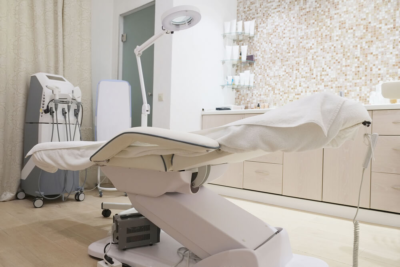
That’s why luxury mental health facilities in California, Washington or anywhere else are quietly rewriting the script. They’re building spaces that feel safe. Calming. Even beautiful. Not because it’s a status thing—but because when people feel physically safe and emotionally supported, real healing starts to happen.
These places aren’t five-star resorts pretending to be treatment centers. They’re treatment centers refusing to pretend people don’t need comfort to heal.
A Hidden Revolution In Mental Health Care
This isn’t about trends. It’s not about self-care slogans or throwing crystals at your PTSD. It’s about care that finally respects the complexity of the human mind—and the real-world chaos people are living through.
High-touch residential programs are one part of the puzzle. They’re showing what happens when therapy isn’t rushed, when people have time to downshift, when care is customized instead of automated. That matters for the person checking in. But it also matters for the broader system. Because it shows what’s possible.
If we keep pretending that a 15-minute check-in and a bottle of pills is enough, nothing changes. But if even a few programs start to show what whole-person care looks like, the ripple effect could be real.
There’s a reason people are flying across the country to stay at these places. Not because they want to escape life—but because they want to re-enter it with a brain that doesn’t feel like it’s under siege.
Where We Go From Here
Not everyone can press pause and check into an inpatient program. But the ones who do? They’re often the canaries in the coal mine. They show us what’s breaking down, and what it takes to build something better.
The old system expected people to function with nothing in their tank. No rest, no pause, no grace. The newer approach says: you’re not weak. You’re burnt out, traumatized, overstimulated, disconnected. And we can work with that.
Maybe we’re finally past the performative mental health awareness posts and moving into something more grounded. Less about branding, more about relief. That’s the kind of change people will actually feel. Not in slogans, but in sleep. In relationships. In getting through a Tuesday without a panic attack.
That’s not luxury. That’s medicine. And it’s about time.

Alexia is the author at Research Snipers covering all technology news including Google, Apple, Android, Xiaomi, Huawei, Samsung News, and More.