Key Factors to Consider Before Upgrading Your RV
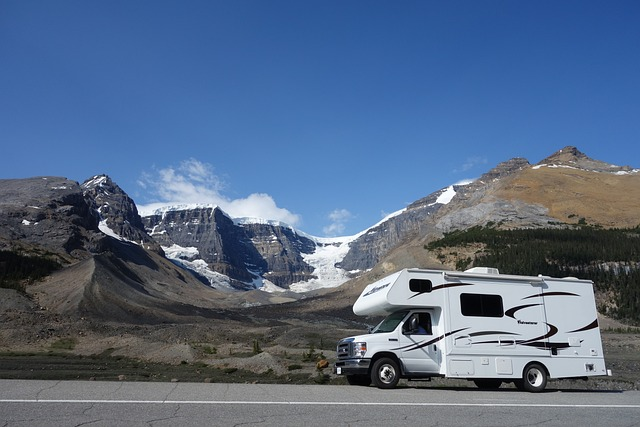
For many RV enthusiasts, the idea of a Class A adventure is tempting. But whether you’re a casual weekend camper or a seasoned snowbird, upgrading your RV to a newer model comes with some important considerations.
Finding the best fit means looking at your budget, your current RV and the kind of travel experience you want next. Let’s take a closer look at some other key details that might factor into your decision.
What are your financing options?
The trade-in value of your current RV may offset some of the cost of an upgrade. To cover the rest, you could consider prequalifying for a few different types of RV loans to compare your options. Prequalifying lets you get an estimate of how much you may be able to borrow without filling out a full loan application or affecting your credit score.
Don’t be afraid to ask questions and take your time to make sure the loan aligns with your financial situation and plans. For example, a longer loan term might mean lower monthly payments, but you could pay more interest than you would with a shorter term.
If you opt for a long repayment term with the intention of paying off your loan earlier if you can, be aware that some lenders may charge a prepayment penalty. Check the fine print before you sign.
How much should you expect an upgrade to cost?
Setting a realistic budget for a potential upgrade early on could make your search more focused and productive. As you explore your options, remember that the total cost of a new RV includes more than the sticker price. You’ll also need to plan ahead for these costs:
· Sales and property taxes
· Title fees
· Registration fees
· Maintenance costs
· Potentially higher fuel costs
If parking space is limited at home, you may also need to pay for off-site storage.
What’s wrong with your current RV?
Looking at your current RV with fresh eyes can help you decide whether a few small updates could do the trick or if a full upgrade makes more sense. Ask yourself how well your RV supports the way you travel today and where you want to go next.
· Age: Compared to a newer RV, an older model may need more maintenance and repairs in the months and years ahead.
· Condition: While you might be fine DIY-ing aesthetic issues caused by wear and tear, constant fixes — like yet another sink repair — can add up over time and might make an upgrade more appealing.
· Maintenance history: Do you find yourself avoiding long or remote trips due to uncertainty about the reliability of your rig? If so, a newer model could inspire you to get rolling again.
· Space: Over time, families grow and routines shift. A space that once felt cozy could start to feel cramped over time, making a new layout with more room a meaningful upgrade.
· Travel style: If you want to start camping off-grid, you could benefit from access to solar power, a composting toilet and larger water tanks. You could invest in a new RV that comes turn-key with these features, but if you have the time and know-how, you could also choose to install them yourself.
Have your lifestyle or travel style changed?
Your new RV should be a perfect match for your life on the road. Think about who you travel with. A family with young children will have different needs than a solo traveler or a couple. A layout with bunk beds might be perfect for kids, while a dedicated office space could be a priority for a full-time remote worker.
If you love to cook, a full-sized refrigerator and ample counter space might be at the top of your list. If your partner enjoys long, relaxing trips, a spacious bathroom with a residential-style shower could be more important. If your current RV’s layout doesn’t support your travel habits, it’s a strong sign that you might be ready for an upgrade. By carefully considering how you intend to use your RV, you can choose a model that truly enhances your experience.
What models are on the market?
With a clear idea of your needs and budget, the fun part begins: shopping for your new RV. It’s easy to get excited by the latest models and features, but be sure to do your research so you can make a choice you’ll be happy with for years to come.
Start by exploring different types of RVs, from compact travel trailers to luxurious Class A motorhomes. Visiting manufacturer websites and attending RV shows are a great way to get a feel for different layouts and amenities.
Once you have an idea of the models you’re most interested in, check out online reviews, forums, and manufacturer websites. Look for firsthand feedback on build quality, reliability and customer service.
As you narrow down your list, visit dealerships to walk through models in person and ask detailed questions. This firsthand experience is invaluable in making a final decision.
Say hello to new horizons
Whether you want more space to bring friends and family along on your next adventure or modern amenities that make longer stays feel more like home, keeping your goals in focus is key to making a meaningful upgrade. Take the time to understand your needs, budget and travel style before saying goodbye to your current RV, and you’ll feel more prepared for whatever the road holds next.
Notice: Information provided in this article is for information purposes only and does not necessarily reflect the views of researchsnipers.com or its employees. Please be sure to consult your financial advisor about your financial circumstances and options. This site may receive compensation from advertisers for links to third-party websites.

Alexia is the author at Research Snipers covering all technology news including Google, Apple, Android, Xiaomi, Huawei, Samsung News, and More.