Likes on social media are considered piracy evidence, said judge
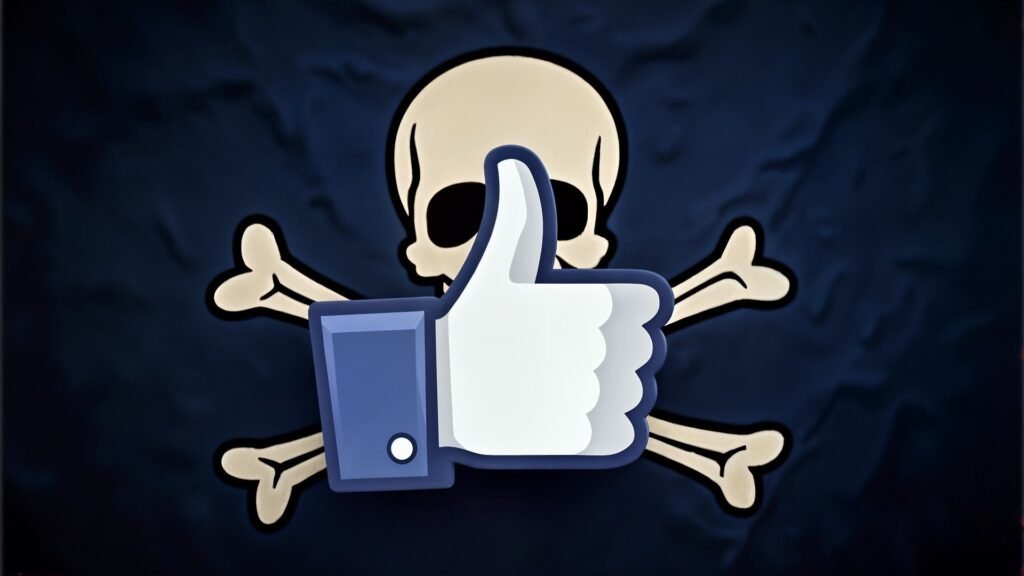
A US court may have made a serious judgment: social media likes can serve as evidence in copyright processes. The case shows how apparently harmless interactions in social media can have legal consequences.
Beware of social media activities
What many users perceive as a harmless click could soon have legal consequences. Because a US district court in Florida ruled that likes can be used as evidence in copyright processes on social media. This decision could have far -reaching effects on user behavior on social networks. The specific case revolves around a user from Florida who is accused of spreading copyright -protected content on Bittorrent. The presumably shared files included Star Wars and Minions films as well as episodes of the Grey’s Anatomy series.
How Torrent freak reports, the “VXN Scan” identification software discovered more than 5,595 suspicious downloads from the accused’s IP address. The peculiarity of the case: The plaintiffs used the defendant’s publicly visible social media profiles, which showed his preference for exactly the content that were also downloaded. These digital traces in the form of likes and comments have now been recognized as supportive evidence.
Far -reaching consequences
The responsible federal judge Sheri Polster Chappell rejected an application for a dismissal. In their assessment, the likes go beyond mere speculation and can help to connect a defendant with observed online activities. This decision could create a precedent that could fundamentally change the evidence in future copyright procedures.
Behind the lawsuit is Strike 3 Holdings, a company for adult entertainment that has established itself as an extremely active plaintiff in US federal courts. The company has already submitted over 15,000 copyright lawsuits and is known for its aggressive persecution of alleged copyright infringement.
Defense holds against it
The defense stops against it and believes that the evidence is thin. The social media activities alone did not demonstrate that the defendant personally downloaded the content in question. After all, other people such as family members or neighbors could also be fans of Star Wars or the Minions. In addition, the mere preference for certain content is not proof of illegal downloads.
This court decision should cause users of social media to rethink their online activities. What was previously considered to be harmless could now be used in legal disputes against yourself. However, this specific case is in the first instance, so the path is still wide for a precedent.