Linux Kernel Surprises with Fresh Update for Floppy Drives
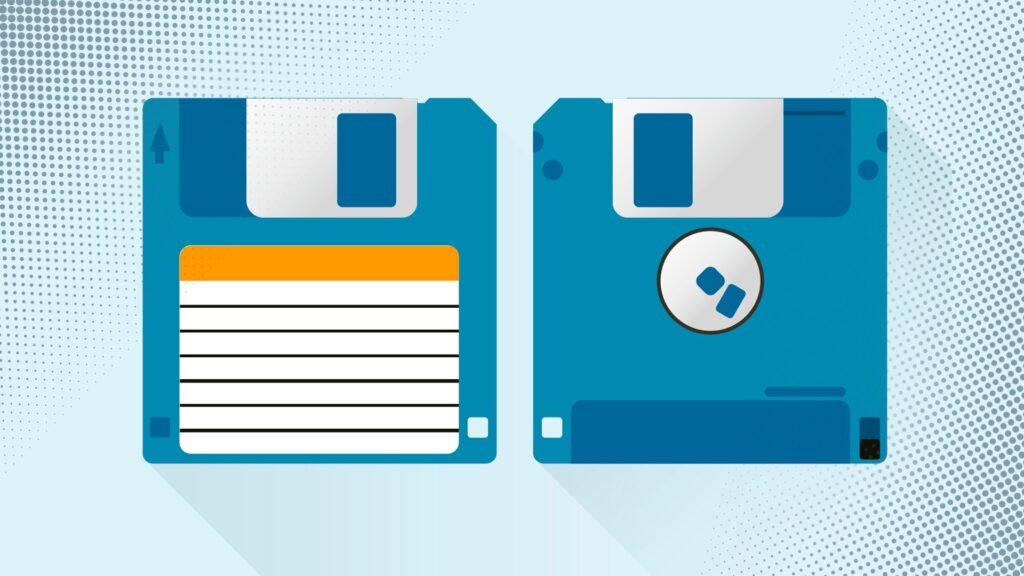
Diskettes have had their wedding forever. But the Linux kernel continues to hold on to them. After years there is now an update for the floppy drivers. In addition to nostalgia, there are also practical reasons behind it.
Surprising update for old technology
Diskettes or floppy disks have long disappeared from the mainstream. Nevertheless, there are still areas of application for the magnetic disks. The US flight protection still uses the small 1.44 MM data carriers. The San Francisco Muni Metro is currently being retrofitted.
In Japan you are already on and won the ‘war against disks’ in authorities last summer. But although Floppys can hardly be found now, there are now new debut drivers for Linux systems three years after the last noteworthy patch. The fresh update keeps support alive.
Cleaning up instead of new features
The current update comes from Andy Shevchenko from Intel. However, it is less spectacular than it seems at first. Because how Phoronix reports, it is pure maintenance without new functions. The floppy disk driver is generally considered a orphaned and is hardly maintained, but Shevchenko has introduced some updates, which he simply refers to as “a few clean -up work”.
Specifically, the update removes an unused macro from the architecture code. At the same time, the header files are sorted alphabetically with the new diskette patch. The changes may appear trivial, but they have an important purpose. Because the Linux driver is intended to become tidier and, in the event of cases, more waiting.
Niche areas keep diskettes in life
Although the areas of application continue to shrink, some industrial companies still use production systems with once high acquisition costs in the medium double -digit million range, which still work with disks as an exchange medium or for programming. Replacing these systems would be associated with enormous costs and effort.
There are also diskette -powered systems in the aviation industry and medical devices. Some aircraft models use floppys for navigation updates, while older MRI and X-ray devices are also dependent on the magnetic data carriers. The certification costs for new systems in these areas are often so high that a change is not economically sensible.
Between nostalgia and practical use
Retro-computing enthusiasts also benefit from continuing support. Collectors and lovers of classic computers such as the Commodore Amiga or Atari St are dependent on functioning diskette drives in order to operate their historical systems. Many games and programs from the time before optical media exist exclusively on disks.
With Sony in 2010, the once most important manufacturer of Floppys withdrawn from the production of the data carriers. The remaining stocks continue to disappear. In addition, mainly only specialized dealers offer new disks for sale. In the foreseeable future, despite everything, the last diskette bastions will probably have to fall.
History of the Floppy Disk
The floppy disk was invented in 1969 at IBM by Alan Shugart and revolutionized data exchange. The first commercially successful disks were the 8-inch models from 1971, followed by the popular 5.25-inch disks from 1976. The 3.5-inch disks, which are still known today, came onto the market in 1982 and established themselves as a standard with a storage capacity of 1.44 megabytes at high-density versions.
The small magnetic data carriers decisively shaped the computer era of the 1980s and 1990s and served as the primary exchange medium for software and data, but can hardly be found. But even if newer generations of computer users have not ever seen any of the small magnetic slices, thanks to the established symbol for “saving” in software applications, all of all kinds all look.

Digital marketing enthusiast and industry professional in Digital technologies, Technology News, Mobile phones, software, gadgets with vast experience in the tech industry, I have a keen interest in technology, News breaking.