Mastering Boat Transport: The Ultimate Guide to Choosing the Perfect Boat Trailer
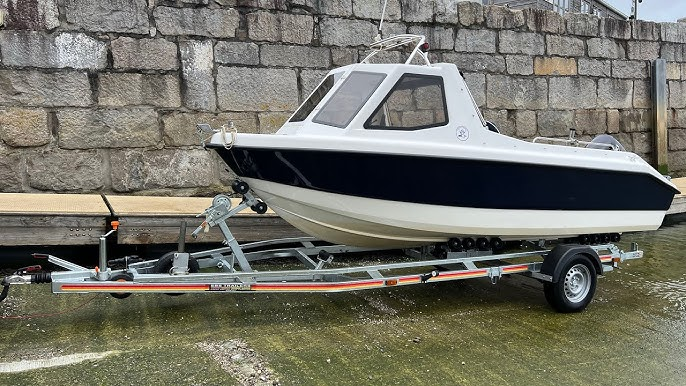
Boat ownership comes with the joy of open waters, the thrill of the catch, and the serenity of a sunset sail. But before any of these pursuits can be enjoyed, one essential task must be mastered: the transport of the boat. The cornerstone of safe and efficient boat transport is undoubtedly the boat trailer. A well-matched trailer not only ensures that your vessel arrives at the water’s edge in top condition but also preserves its longevity during storage and transit.
Understanding Boat Trailer Essentials
To make an informed decision when selecting a boat trailer, one must understand the key components that define a good match. These include the size and weight of the boat, as well as the materials and construction of the trailer itself. Furthermore, considering the conditions in which the trailer will be used—such as saltwater or freshwater environments—is crucial in selecting the right type for your needs.
Finding the correct trailer size is vital. A trailer that is too small will not adequately support the boat and can lead to transportation hazards. Conversely, a trailer that is too large is wasteful and may cause handling difficulties. The gross vehicle weight rating (GVWR) is an important metric, indicating the maximum weight your trailer can safely carry, including the weight of the boat, motor, fuel, and any accessories or equipment on board.
Materials and Durability Considerations
When it comes to material choices for boat trailers, the two primary options are aluminium and galvanised steel. Aluminium trailers are lighter, more resistant to corrosion, and generally easier to maneuver and tow. However, they can be more expensive. Galvanised steel trailers offer robust strength at a lower cost but are heavier and may require more maintenance to prevent rust, particularly if frequently used in saltwater conditions.
Securing Your Investment: The Importance of a Good Fit
Securing the boat properly to the trailer is another pivotal aspect to consider. To avoid any movement or chafing during transit, the boat must fit snugly onto the trailer. This usually involves having a proper set of bunks or rollers, which conform to the hull shape and provide adequate support and ease of launching and retrieval.
Breaking it Down: The Role of Trailer Brakes
Trailer brakes are another critical factor to consider. In many regions, brakes are mandatory for trailers above a certain weight. There are two main types of brakes: surge brakes, which are activated by the stopping motion of the tow vehicle, and electric brakes, which are connected to the vehicle’s brake system and require a brake controller. The choice between them often depends on personal preference, boat size, and local regulations.
Lights, Action: Ensuring Safety with Proper Lighting
Proper trailer lighting is not just a safety measure but also a legal requirement. Lighting systems must include tail lights, brake lights, indicators, and reflectors to ensure visibility in all conditions. Submersible lights are a must for boat trailers that enter the water during boat launches, as they are designed to withstand immersion.
The Towing Vehicle: A Companion in Transport
The towing vehicle must have adequate towing capacity to handle the combined weight of the trailer and the boat. It’s essential to consult the manufacturer’s guidelines for your vehicle to ensure that it is capable of the task at hand.
Maintenance: The Key to Longevity
Maintenance is a critical part of sustaining your boat trailer’s condition and safety. Regular checks and servicing are necessary, including inspections of the wheel bearings, brakes, tyres, and lights. It is particularly important to rinse the trailer with fresh water after use in saltwater to prevent corrosion.
Insurance: Protecting Your Asset on the Road
Securing insurance for your boat and trailer is always recommended. It provides protection against accidents, theft, and other unforeseen incidents that may occur during transportation or storage.
Additional Features and Accessories
Many trailers come with additional features and accessories that can enhance the ease of use and safety of your boat transport. These can include walkways, allowing easier access to the boat when it’s on the trailer; tie-downs to secure the boat; and spare tyre carriers.
Legality and Compliance: Following Local Regulations
Before making a boat trailer purchase, it’s imperative to familiarise yourself with local rules and regulations. Compliance with these laws not only ensures safety but also avoids potential fines.
Choosing the Right Supplier
Finally, selecting a reputable supplier when purchasing a boat trailer is crucial. This ensures that you receive a quality product backed by a warranty and customer support. Suppliers who offer a range of trailers will help you in finding the exact fit for your specific boating needs.
Conclusion
Choosing the perfect boat trailer is a complex process that requires careful consideration of various factors such as size, material, and legal requirements. However, with the right knowledge and due diligence, you can ensure the safe transport of your vessel to and from the water. A robust, well-suited boat trailer is an investment in your boat’s longevity and your peace of mind. Approach the selection process as you would any significant investment—by considering all variables and focusing on the details that will safeguard your boat on every journey.
With a comprehensive understanding of these factors, you are well on your way to mastering boat transport and enjoying limitless aquatic adventures.

Alexia is the author at Research Snipers covering all technology news including Google, Apple, Android, Xiaomi, Huawei, Samsung News, and More.