Moscow has been without mobile internet for weeks
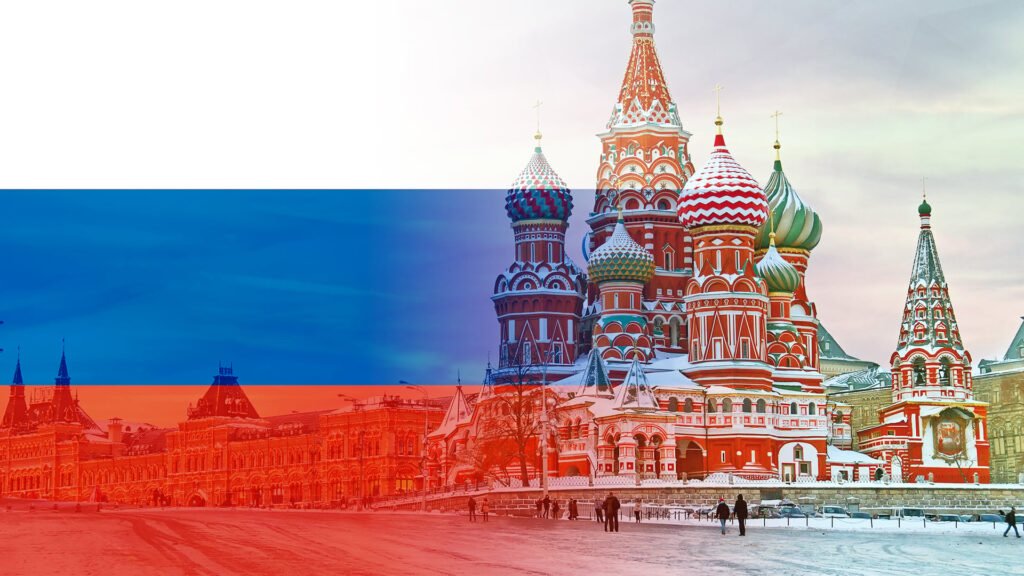
Residents of the Russian capital Moscow have had to almost completely do without mobile internet connections for weeks. Central services such as navigation, delivery apps or messengers no longer work for millions of people.
Old technology is coming back
The outages are considered unprecedented in their extent. Even basic functions such as phone calls or text messages are sometimes impaired, as if for one thing CNN report emerges. Many people are therefore turning to improvised solutions: walkie-talkies, printed city maps or even pagers are experiencing unexpected demand. At least internet access via stationary connections with a WiFi hotspot remains largely usable. Officially, Russian authorities justify the restrictions with security measures. In view of “increasingly sophisticated attack methods” from Ukraine, it is necessary to temporarily control communications networks. Similar disruptions have already been reported in border regions, but now power centers such as Moscow and Saint Petersburg are also affected.
However, experts see other motives. In addition to military considerations, it could be a test of how effectively information can be controlled domestically, for example in the case of new mobilization measures for war. Preparation for more comprehensive internet closures is also being discussed. Studies by Western think tanks suggest that the government wants to contain possible protests at an early stage. However, there is also a fairly simple explanation: The shutdowns in Moscow began when it became clear how the Iranian spiritual leader had been killed in an Israeli attack: The Israelis had previously hacked numerous surveillance cameras and evaluated the movement profiles of security guards to find out the man’s whereabouts. The data was transmitted via the mobile phone network. It is quite possible that Russian President Vladimir Putin now fears that he will face the same situation.
Economy has problems
The impact of the shutdowns is already measurable economically: within a few days, companies could have suffered billions of dollars in losses, particularly in industries such as delivery services, taxi services and online retail. At the same time, uncertainty among the population is growing. Some citizens report that their work is hardly possible anymore, others fear further restrictions, including a complete digital isolation system. At the same time, the state is pushing ahead with the expansion of a controlled Internet. In addition to existing blockades of Western platforms, work is being done on a so-called “sovereign Internet” that could further decouple Russia from the global network.
In addition, a government messaging app will in the future bundle central functions such as communication, payment and contact with authorities and, above all, replace Telegram. Despite humorous reactions on social networks, such as jokes about carrier pigeons, the situation is serious for many people. The consequences for medical applications or digital monitoring systems in everyday life are particularly critical. The ongoing disruptions therefore, increase concerns about increasing state control and further restrictions on digital freedoms.