Nokia Brings Heat to VR: Thermal Touch Tech Unveiled
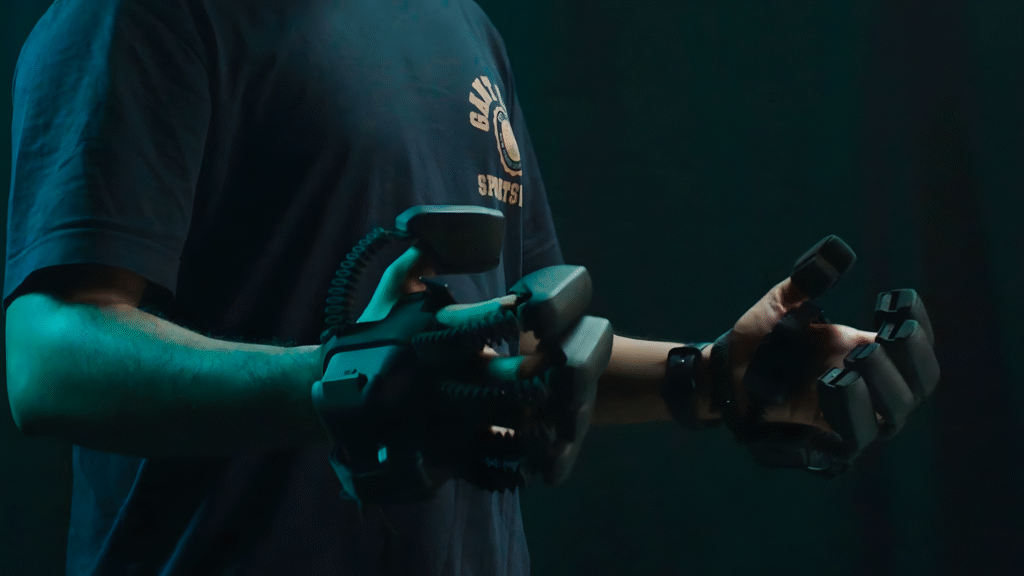
VR glasses can already see and listen. But that’s not all, because now even the sense of temperature is added: Nokia shows thermal haptics systems that should make warmth and cold noticeable in virtual worlds.
Thermal feel should make virtual reality more immersive
Nokia is currently using the IEEE World Haptics Conference 2025 in South Korean Suwon to present its latest developments in the field of thermal feel. The Finnish technology group works with the Italian company WEART to simulate temperature sensations in virtual environments. The conference, which takes place from July 8th to 11th, is the most important international event for all aspects of haptics research.
The thermal feel enables users to not only feel touches and vibrations in VR applications, but also to perceive temperature differences. This could significantly increase the immersion in virtual worlds and open new fields of application in areas such as medicine, education and of course entertainment. The technology is based on precise temperature control systems that can transmit warm and cold sensations directly to the skin.
How XR Today Citing a message from Nokia reports, the IEEE World Haptics Conference is the central forum for the presentation of research results and new technologies in the area of feel. The ultimate goal is the further development of technology to this sensory sensation, through networking of science, industry and experts from all over the world.
Innovative temperature control
A special focus of Nokia and Weart is on the research of thermal-tactile simultaneity for multi-sensory displays and the perception of friction-related signals through temperature variation. These developments could be used, for example, in medical training, where prospective surgeons could feel the temperature of tissue during virtual operations. In addition, multimodal haptic vests are presented at the conference, which combine different sensory impressions.
Researchers also examine how physiologically based affective haptic feedback can promote empathy in social virtual reality. In the future, these technologies could be used in areas such as the therapy of phobias, rehabilitation after injuries or the distance learning of specialists. The thermal feel could also revolutionize the gaming industry by enabling players to actually feel the heat of a virtual fire or the cold of a snow landscape.