NVIDIAS RTX 5060 & 5060 Ti stay with the old standard
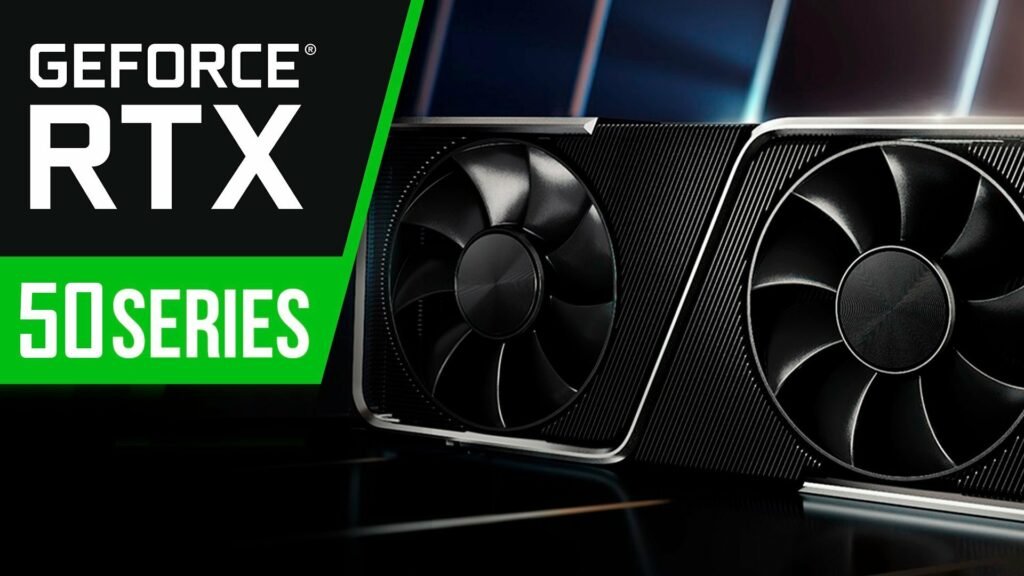
A new leak suggests that NVIDIA may stick to familiar technology for its upcoming mid-range graphics cards, the GeForce RTX 5060 and RTX 5060 Ti. This decision could have significant benefits for cost-conscious users.
What Makes This Move Noteworthy?
According to a report from a Chinese hardware leaker via VideoCardz, NVIDIA might continue using the trusted 8-pin power connector for these cards, rather than the newer 12VHPWR standard. This approach would allow seamless integration into existing PC setups without requiring users to upgrade their power supplies—a welcome relief for budget-conscious gamers and builders.
The 12VHPWR connection, introduced with the RTX 4000 series and designed for PCIe 5.0, has faced compatibility and reliability issues, making the decision to stick with 8-pin connectors a practical one.
But there’s more to this story than just compatibility. The rumored move suggests NVIDIA is aiming for a smooth, user-friendly experience, making it easier for current PC owners to adopt the new cards without additional expenses or hassle.
Power and Performance
Another key takeaway from the leak is that the RTX 5060 and RTX 5060 Ti will reportedly require a 650-watt power supply. While this marks a 100-watt increase over their predecessors, it’s still within the range easily handled by a single 8-pin connection. This suggests a moderate increase in power consumption, allowing for potentially better performance without pushing hardware limits.
For context, here’s a quick comparison between the two power standards:
PCIE 8-PIN (6+2): Delivers up to 150W per connection, widely used and reliable, featuring a strong locking mechanism.
12VHPWR (16-pin): Capable of up to 600W per connection, newer but prone to issues, often requiring precise handling or adapters for older setups.
Competing with AMD
NVIDIA’s rumored decision to stick with the 8-pin standard could also be a strategic move to compete directly with AMD’s upcoming mid-range cards, which are expected to launch around the same time. By maintaining a familiar standard, NVIDIA might make these new GPUs appealing to both upgraders and first-time builders.
A Waiting Game
It’s important to note that these details are based on leaks and remain unconfirmed by NVIDIA. The industry anticipates the official release of the RTX 5060 series by March 2025, so there’s plenty of time for more rumors and leaks to surface.
Stay tuned for updates as we inch closer to NVIDIA’s next big launch!