Retaining Wall Failing? Here’s How Dallas Concrete Repairs Restore Stability
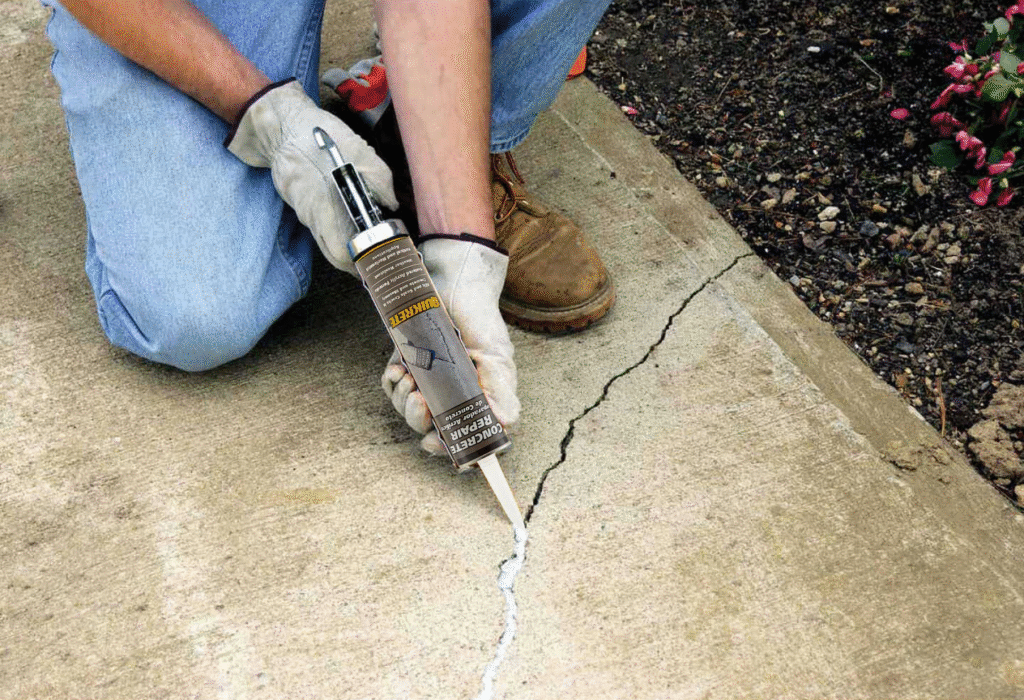
When it comes to supporting your landscape, protecting your property, and holding back soil, retaining walls are unsung heroes—until they start to lean, crack, or collapse. At Metro Concrete Repair, we’ve seen how Dallas concrete cracks and foundation erosion can quietly turn a perfectly functional backyard retaining wall into a serious structural liability.
If you’re seeing signs of wall movement or stress and need professional concrete repairs Dallas, look no further. This article will delve into how retaining walls fail, why it happens, and the top-notch repair methods that bring them back to life—safely and effectively.
Let’s dive in to protect your wall—and your peace of mind.
When Your Wall Starts Leaning, Listen
Picture this: You’re walking through your backyard after a thunderstorm and spot something a little off—your retaining wall is slightly leaning. Maybe it’s just a subtle tilt, or maybe one section is bowing outward. Either way, it’s easy to shrug it off.
It’s crucial to note, though, that leaning is your wall’s way of sounding the alarm. It’s a visual cue that something is going wrong beneath the surface. Leaning concrete walls can indicate shifting soil, water pressure buildup, or even a compromised footing—all of which can worsen quickly if ignored. Over time, the lean can progress to a full collapse, damaging your yard, structures, and safety.
The Silent Pressure Building Behind Your Wall
Retaining walls are built to hold back thousands of pounds of earth—but they’re only effective when designed and maintained properly. What many homeowners don’t see is the invisible, accumulating stress that occurs behind the wall.
- Soil absorbs moisture and swells during rainy seasons, applying tremendous lateral pressure on the wall face. This force increases dramatically when clay soils are involved, which is common in Dallas.
- Water infiltration from poor drainage causes the soil behind the wall to become waterlogged, nearly doubling its weight and pushing forcefully against the structure.
- Clay soil movement, resulting from North Texas’ volatile weather, causes frequent and extreme expansion and contraction, testing the limits of your wall’s materials and design.
These hidden forces don’t go away on their own. Without effective drainage solutions, your wall may begin to show signs of strain long before a collapse occurs.
The Cracks That Sneak Up on You
Dallas concrete cracks rarely start as gaping structural failures. More often than not, they begin as small, subtle fractures—easy to ignore, but dangerous to overlook.
- Diagonal cracks typically appear near the ends of a retaining wall and indicate differential movement. This means parts of the wall are shifting independently, often due to uneven pressure or a compromised foundation.
- Horizontal cracks tend to form at mid-height on the wall, and are often a signal of excessive lateral pressure behind the structure—usually a precursor to outward bulging.
- Vertical cracks, especially when spaced evenly, may indicate poor thermal control or missing expansion joints. While initially cosmetic, they can evolve into wider structural splits over time.
Essentially, each of these cracks tells a story. And in the world of retaining wall repair, they’re key clues that help engineers and contractors determine the extent and urgency of action required.
Not All Walls Are Built Equal (And Some Were Doomed from the Start)
It’s widely acknowledged that not all retaining walls are constructed to last—especially when builders cut corners to save time or money. Unfortunately, homeowners often pay the price years later.
- Improper footings leave the wall resting on unstable ground. Without a deep, reinforced foundation, walls can slide, tip, or sink unevenly.
- No gravel backfill behind the wall means poor drainage and additional pressure buildup, particularly in clay-heavy soils.
- Missing weep holes prevent water from draining away from the soil, turning your wall into a dam—and increasing hydrostatic pressure.
- Subpar materials, like low-grade block or poorly mixed concrete, weaken under stress and deteriorate quickly under harsh conditions.
From this perspective, early failure is often the result of poor planning—not just age or bad luck.
When Clay Soils Push Back: The Dallas Dilemma
It’s common knowledge among Dallas contractors that local soil presents unique challenges. Clay soil movement is one of the leading causes of leaning concrete walls and structural degradation.
- During dry spells, clay contracts, leaving voids and gaps behind or beneath your retaining wall. This undermines its support and causes shifting or settling.
- After heavy rainfall, the same soil swells aggressively, exerting enormous pressure on your wall’s face and structure. This constant fluctuation leads to cracks, leaning, and eventual failure.
- Soil saturation can also loosen the wall’s footing, especially if foundation erosion is already underway due to poor drainage.
Bear in mind, building in Dallas means designing for these movements. Ignoring them sets your wall up for failure from day one.
Your Drainage System Could Be Working Against You
In the realm of retaining wall integrity, drainage solutions are not optional—they’re fundamental.
- Lack of gravel backfill behind your wall keeps water trapped near the structure. Over time, this water-heavy soil exerts force that even reinforced walls struggle to resist.
- Missing or clogged weep holes allow water pressure to build invisibly behind the wall, dramatically increasing the risk of cracks and blowouts.
- Improper slope grading can direct rainwater toward, rather than away from, your retaining wall. This leads to excessive pooling, erosion of the foundation, and added pressure.
We understand the importance of strategic water management. Effective drainage protects not just your wall, but your entire landscape.
From Lean to Collapse: The Timeline of a Failing Wall
In essence, wall failure doesn’t happen in a day—it’s a slow process of warning signs that many overlook until it’s too late.
- Hairline cracks begin to form—small, often vertical or diagonal, typically dismissed as cosmetic.
- Noticeable leaning or bowing develops as pressure behind the wall increases and its footing weakens.
- Drainage issues become obvious—standing water, soft soil, or erosion at the wall base.
- Displacement and cracking escalate, with sections of the wall pulling away or tilting dangerously.
- Structural failure occurs, either in a partial collapse or a complete cave-in, potentially damaging nearby features or posing safety hazards.
To consider this timeline seriously is to invest in proactive repairs—saving both money and peace of mind.
Engineering a Comeback: How Experts Reinforce Weak Walls
When it comes to reclaiming your retaining wall’s integrity, Metro Concrete Repair uses a variety of advanced, field-tested methods to deliver lasting results.
- Wall bracing systems—steel beams or anchors—are inserted to support the wall from behind or the front, countering lateral soil pressure and preventing further leaning.
- Structural overlays, such as reinforced concrete or shotcrete, are applied to stabilize deteriorating walls and improve both function and appearance.
- Helical or deadman anchors are buried deep into stable soil and attached to the wall to pull it back into alignment. These are often used when tilting has already begun.
- Retrofitted drainage improvements, such as gravel, geogrid reinforcements, and French drains, are added to manage future water buildup.
We pride ourselves on matching the repair method to the specific problem—no overkill, no guesswork.
Repair or Rebuild? The Smart Way to Decide
It’s vital to know when to transition from reinforcing an existing wall to starting over. A professional inspection will take several key factors into account:
- The wall’s age—older walls (20+ years) may no longer meet modern standards and might be more cost-effective to replace than reinforce.
- Level of damage—walls with extensive leaning, displacement, or material breakdown usually require a full rebuild to restore safety.
- The wall’s function—load-bearing or structural walls (like those near driveways or buildings) demand stricter standards than purely decorative garden walls.
- Soil conditions and drainage—if site conditions have changed or worsened, a redesign may be necessary to avoid future failures.
In summary, balancing repair costs with performance goals is the key to making a smart, long-term decision.
Local Know-How for Long-Lasting Results
Metro Concrete Repair is not a national franchise—we’re Dallas-based, and that matters. Local know-how is critical when it comes to retaining wall repair in North Texas.
That’s why our solutions take into account:
- The unpredictable behavior of clay soil, which varies even between neighborhoods.
- Seasonal rainfall patterns, which cause rapid soil expansion and contraction.
- Building codes and permits, which differ from city to city and affect how walls must be designed or repaired.
- Dallas-specific drainage strategies, like French drains and weep hole spacing, to suit our intense storms and prolonged dry spells.
We strive to bring precision, durability, and reliable performance to every project we touch.
A New Wall Starts With the Right Soil Strategy
If you’re considering a new wall or replacing a failed one, it’s essential to approach the project with soil and site conditions in mind from the beginning.
- Professional soil testing identifies the specific challenges of your property, such as clay content, moisture retention, and load-bearing capacity.
- Excavation depth and footing design ensure your wall has the strength to resist movement and pressure over the long term.
- Strategic drainage planning, including French drains, backfill layers, and weep holes, prevents pressure buildup before it starts.
- Reinforced materials, like rebar-reinforced concrete or geogrid-stabilized block systems, give the wall strength to withstand decades of use.
Unveiling these strategies early leads to a wall that won’t just stand—it will endure.
What It Really Costs to Save (or Replace) Your Retaining Wall
It’s worth mentioning that retaining wall repair and replacement costs vary widely depending on multiple site-specific factors.
- Material selection—reinforced concrete and engineered block systems cost more than wood or dry-stacked stone but provide far better longevity.
- Wall height and length—taller walls must handle more pressure, requiring deeper footings, more materials, and often permits and engineering.
- Access to the site—if your wall is in a tight backyard corner, labor and equipment costs may rise due to the complexity of the work.
- Drainage and soil work—adding proper drainage or replacing poor soil adds upfront cost but avoids expensive repairs down the road.
In a nutshell, repairs may cost between $3,000 and $8,000, while a full replacement for a mid-size wall might range from $10,000 to $25,000+, depending on design and scope.
Frequently Asked Questions (FAQ)
Q: What causes a backyard retaining wall to lean?
A: Common causes include clay soil movement, poor drainage, inadequate footing, or water buildup behind the wall—especially after heavy rains.
Q: Can a leaning retaining wall be repaired without tearing it down?
A: Yes. Depending on severity, options like wall bracing systems, soil anchors, or overlays can correct moderate leaning without full demolition.
Q: How long do concrete retaining walls last in Dallas?
A: With proper design, materials, and drainage, reinforced concrete walls can last 30–50 years—even with challenging soil and weather conditions.
Q: What’s the best drainage solution for a retaining wall?
A: We recommend a combination of gravel backfill, weep holes every few feet, and a French drain or drainage pipe at the base of the wall.
Q: What’s more cost-effective: repairing or rebuilding a wall?
A: Structural wall fixes are ideal for newer or slightly damaged walls. But heavily leaning concrete walls, or those with failing footings, are often more economical to rebuild correctly the first time.
A failing backyard retaining wall may start as a lean or crack—but it can quickly turn into a major hazard. Whether you’re dealing with drainage issues, clay soil movement, or aging materials, the key is acting before disaster strikes.
Metro Concrete Repair is your trusted local expert for retaining wall repair, drainage solutions, and structural wall fixes that last in the challenging Dallas environment.
We’ve got you covered—from inspections and soil testing to wall bracing systems and full-scale rebuilds.
Ready to restore stability and safety to your landscape? Contact Metro Concrete Repair today and unlock the strength your retaining wall deserves.

Alexia is the author at Research Snipers covering all technology news including Google, Apple, Android, Xiaomi, Huawei, Samsung News, and More.