Revitalize Wellness Maintenance Using Pump and Chiller Systems
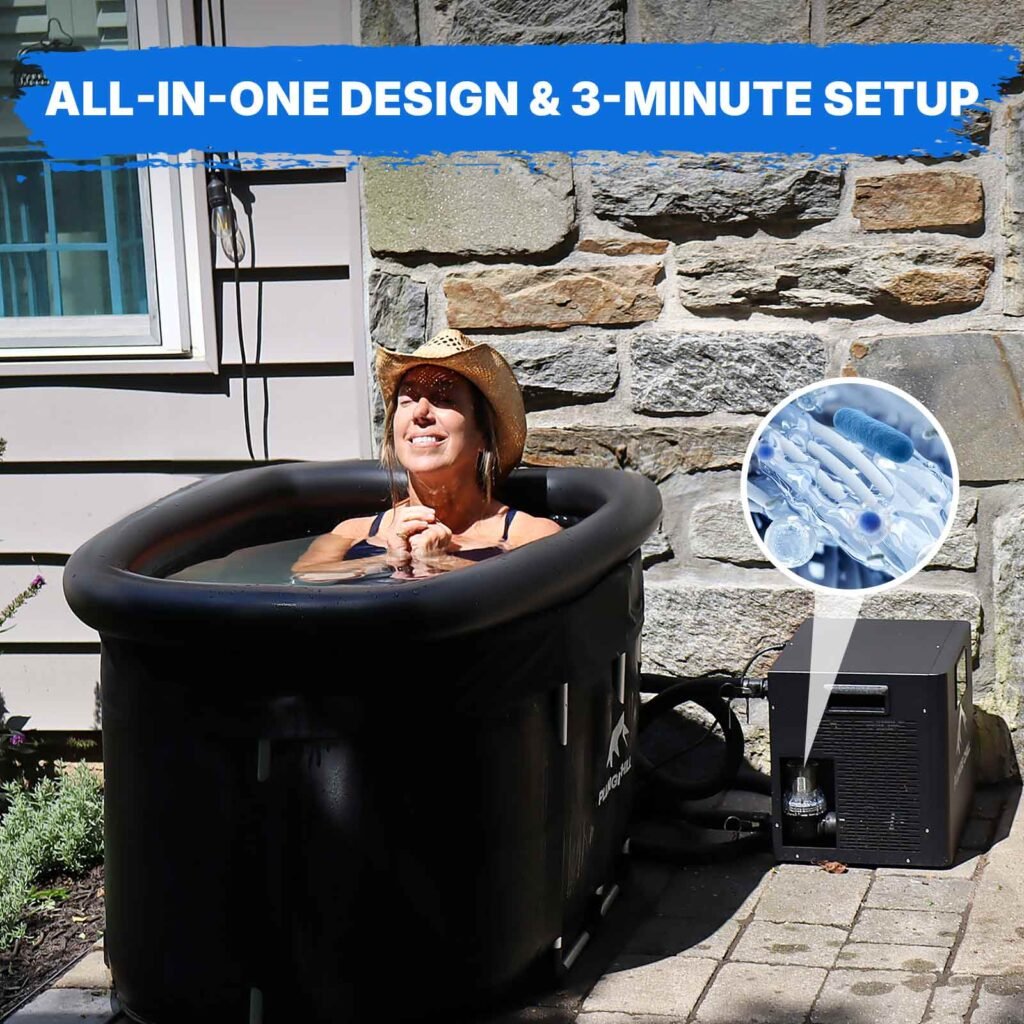
Modern wellness enthusiasts are increasingly turning to cold plunge therapy as a cornerstone of their recovery routines, driving unprecedented demand for sophisticated home-based solutions. While the benefits of cold water immersion are well-documented, many individuals struggle with the logistical challenges of maintaining optimal temperatures consistently.
Traditional methods involving bags of ice and manual monitoring create frustrating barriers to establishing reliable wellness practices. Pump and chiller systems have emerged as the definitive answer to these obstacles, offering automated temperature control that supports systemic resilience through effortless daily use. These integrated systems transform cold plunge therapy from an occasional experiment into a sustainable wellness maintenance tool.
By eliminating guesswork and manual labor, they enable users to focus on what truly matters: accelerating muscle soreness relief, reducing inflammation, and building long-term physiological adaptation. This technology bridges the gap between professional athletic recovery facilities and accessible home wellness, making therapeutic cold exposure a practical reality for anyone committed to optimizing their health.
The Science of Cold Therapy for Systemic Resilience
Cold water immersion triggers immediate vasoconstriction, causing blood vessels to narrow and redirect circulation toward vital organs. This physiological response reduces localized inflammation by limiting blood flow to swollen tissues, while simultaneously flushing metabolic waste products accumulated during physical exertion.
When you exit the cold water, vasodilation occurs as vessels expand, creating a pumping effect that delivers oxygen-rich blood throughout the body. Research demonstrates that repeated cold exposure activates the vagus nerve, which regulates parasympathetic nervous system activity responsible for rest and recovery states. Studies show that consistent cold therapy practitioners exhibit improved heart rate variability, indicating enhanced stress resilience and autonomic nervous system balance. The hormetic stress principle applies here—controlled cold exposure creates mild physiological stress that prompts adaptive responses, strengthening cellular repair mechanisms over time.
Athletes report accelerated recovery between training sessions, while general wellness practitioners experience improved sleep quality and mental clarity. The key to unlocking these benefits lies in consistency rather than intensity, making reliable temperature maintenance through automated systems essential for building lasting physiological adaptations that support overall systemic resilience and long-term health optimization.
Why Pump and Chiller Systems Transform Cold Plunge Experiences
Traditional ice bath methods require purchasing bags of ice repeatedly, manually monitoring water temperature with thermometers, and dealing with rapid temperature fluctuations as ice melts unevenly. This approach often results in inconsistent therapy sessions where water temperatures swing from uncomfortably cold to barely therapeutic within minutes. Users waste valuable time managing logistics instead of focusing on recovery, and the unpredictability discourages consistent practice essential for building systemic resilience.
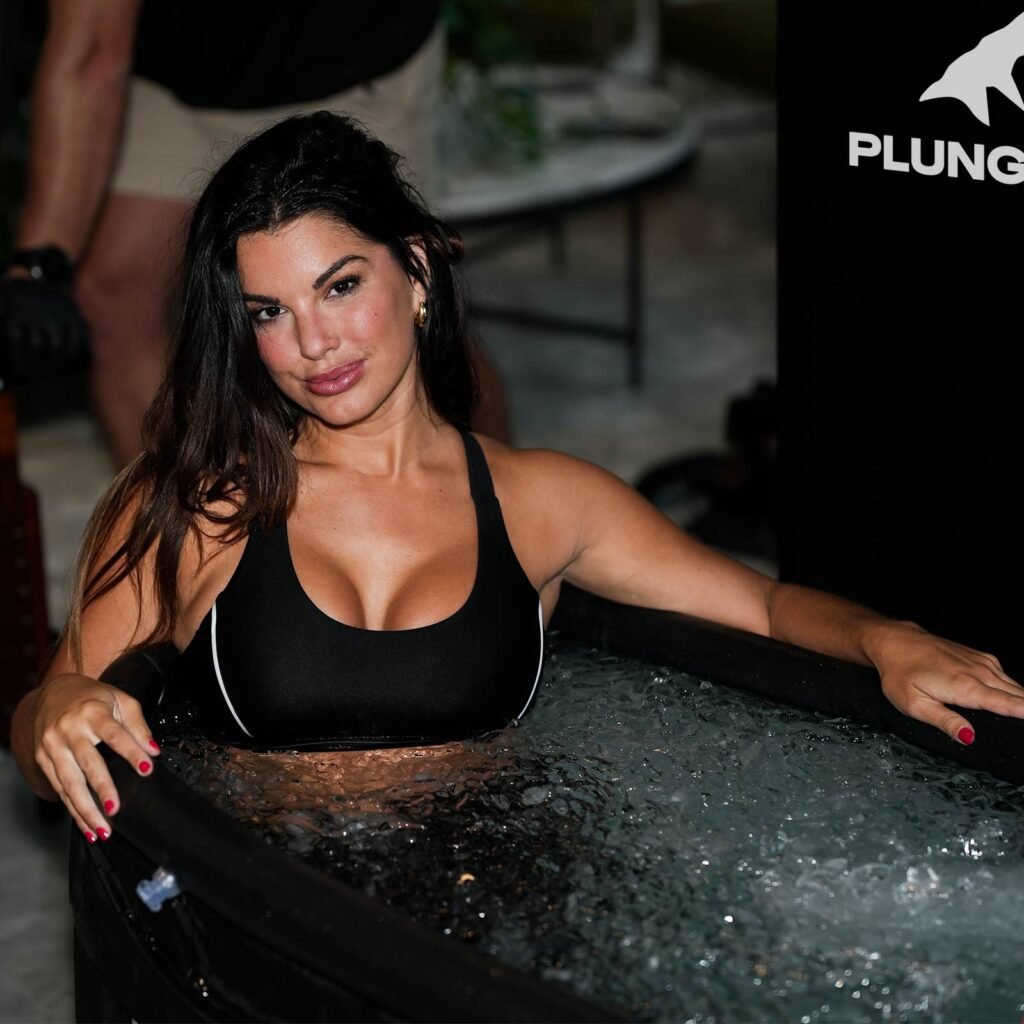
Critical Components Explained: Pumps and Chillers
The pump serves as the circulatory system of your cold plunge setup, continuously moving water through filtration media that captures debris, oils, and contaminants. This constant circulation prevents stagnant zones where bacteria might proliferate, maintaining water clarity between sanitation treatments. Quality pumps also create gentle agitation that distributes cold evenly throughout the tank, eliminating temperature stratification.
Chiller units function as precision cooling engines, using refrigerant cycles to extract heat from circulating water and maintain your target temperature within one degree accuracy. Unlike ice that provides temporary cooling, chillers respond dynamically to environmental factors—automatically compensating when ambient temperatures rise or when your body heat warms the water during immersion.
Overcoming DIY Setup Challenges
Automated systems eliminate the guesswork inherent in manual temperature management, allowing you to set your desired temperature once and trust the equipment to maintain it indefinitely. This reliability transforms cold plunge therapy from a logistically demanding chore into a simple daily ritual requiring no more effort than stepping into the water.
Hygiene maintenance becomes straightforward with continuous filtration removing contaminants automatically, while integrated sanitation systems work alongside circulation to keep water clean for extended periods. You’ll spend minutes weekly on maintenance instead of hours preparing each session, making consistent wellness maintenance actually sustainable for busy lifestyles.
Selecting Your Ideal Cold Plunge Recovery Tool
Choosing the right cold plunge pump and chiller combination depends primarily on three factors: your cold plunge tank volume, local climate conditions, and how frequently you’ll use the system. A 100-gallon tub requires different cooling capacity than a 300-gallon stock tank, while someone in Arizona faces greater cooling demands than a user in Minnesota.
Daily users benefit from systems with faster cooling recovery times, whereas weekend warriors can manage with more modest specifications. Your available electrical infrastructure matters significantly—some chillers operate on standard 110V household circuits, while larger units demand 220V dedicated lines requiring professional electrical work.
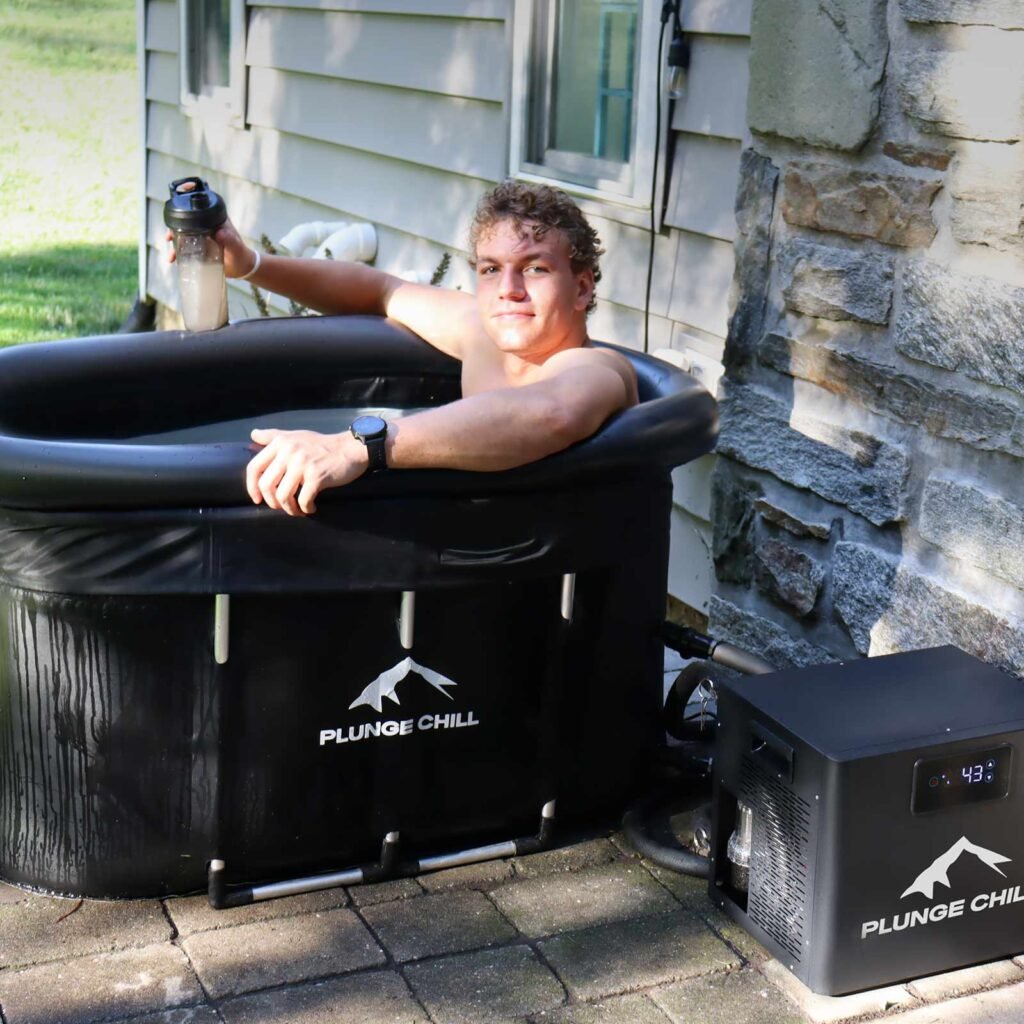
Performance Specifications Breakdown
Chiller capacity measured in horsepower or tonnage determines how quickly your system can cool water and maintain temperature during use. A quarter-horsepower chiller typically handles up to 150 gallons effectively in moderate climates, while half-horsepower units manage 200-300 gallons or smaller volumes in hot environments. Calculate your needs by considering both initial cooldown time and the thermal load your body introduces during immersion—your 98-degree body temperature constantly warms the water, requiring the chiller to compensate.
Pump flow rates measured in gallons per hour should cycle your entire tank volume at least twice hourly for adequate filtration and temperature distribution. A 200-gallon setup needs minimum 400 GPH flow, though 600 GPH provides better performance. Head pressure ratings indicate the pump’s ability to push water through plumbing runs and filter housings—longer distances or multiple filtration stages require pumps rated for higher head pressure to maintain adequate flow.
Wellness-Focused Features
Temperature precision separates therapeutic systems from basic cooling equipment. Look for chillers offering plus-or-minus one-degree accuracy, as fluctuations beyond this range compromise the physiological consistency needed for building adaptive resilience. Digital controllers with programmable settings let you adjust temperatures for different recovery protocols without manual recalibration. Noise levels significantly impact the meditative aspects of cold therapy—compressor-based chillers generate operational sounds ranging from library-quiet to dishwasher-loud, with insulated models and variable-speed compressors offering quieter operation worth considering if your installation sits near living spaces.
Energy efficiency directly affects long-term operating costs, with well-insulated tanks and efficient chillers using 30-50% less electricity than basic models. Insulated covers dramatically reduce the workload on your chiller by preventing heat gain between sessions, potentially cutting energy consumption in half while extending equipment lifespan through reduced runtime.
Step-by-Step Setup for Home Recovery Solutions
Before installation begins, verify your space can accommodate both the cold plunge tank and equipment footprint, typically requiring a 6×6 foot area minimum with nearby wall access for chiller mounting. Check your electrical panel for available capacity—most chillers need dedicated 15-20 amp circuits, with larger units requiring 220V service that may necessitate electrician consultation.
Flooring must support combined water weight plus equipment, generally 1,500-3,000 pounds depending on tank size, with waterproof surfaces or protective barriers preventing moisture damage to subflooring. Ensure adequate ventilation around the chiller unit, maintaining 12-18 inches clearance on all sides for proper heat dissipation and compressor longevity.
Installation Process
Connect the pump outlet to the chiller inlet using appropriately sized tubing, securing connections with hose clamps to prevent leaks under pressure. Run the chiller return line into your cold plunge tank, positioning the outlet to create circular flow patterns that eliminate dead zones. Install inline filters between the tank and pump to capture debris before it reaches sensitive chiller components.
Fill the system gradually while monitoring for leaks at connection points, then add water treatment chemicals according to volume calculations—typically sanitizer and pH balancer to establish baseline water chemistry that protects equipment from corrosion and biological growth.
Initial Calibration
Set your target temperature to 55-60°F for initial sessions focused on muscle soreness relief, allowing your body to adapt before attempting colder protocols. Run the system for 24 hours before first use, verifying temperature stability and consistent flow throughout this period.
Test the ground fault circuit interrupter by pressing the test button, confirming immediate power cutoff that protects against electrical hazards in wet environments. Monitor the first few therapy sessions closely, adjusting temperature downward by 2-3 degrees weekly as your cold tolerance builds, ultimately reaching optimal therapeutic ranges between 45-55°F for maximum systemic resilience benefits.
Optimizing Your Wellness Maintenance Routine
Athletic recovery protocols differ significantly from general wellness approaches in both temperature targets and immersion duration. Competitive athletes typically benefit from 50-52°F water for 10-15 minutes within two hours post-training, when inflammation peaks and metabolic waste accumulation demands aggressive intervention.
This timing maximizes muscle soreness relief by interrupting inflammatory cascades before they fully develop. General wellness seekers focused on systemic resilience can adopt gentler protocols—54-58°F for 5-8 minutes daily builds adaptive stress responses without the intensity demands of athletic recovery, making consistency easier to maintain long-term.
Integration with Holistic Recovery Tools
Contrast therapy alternating between cold plunges and sauna sessions amplifies circulatory benefits through repeated vasoconstriction and vasodilation cycles. Start with 15 minutes in a sauna heated to 160-180°F, immediately followed by 3-5 minutes of cold immersion, repeating this cycle three times and always ending with cold exposure.
This sequence maximizes the pumping effect that clears metabolic debris while promoting parasympathetic activation. Schedule cold plunges at least four hours after intense workouts to avoid blunting beneficial inflammatory adaptations your body needs for strength gains, while morning sessions on rest days enhance alertness without interfering with training adaptations.
Consistency Techniques
Initial discomfort diminishes dramatically within two weeks of daily practice as your nervous system adapts to cold stress. Start with controlled breathing—slow inhales through the nose and extended exhales through the mouth—to override panic responses during the first thirty seconds when shock sensations peak.
Track your sessions using a simple journal noting duration, temperature, and subjective recovery feelings, creating visible progress that reinforces habit formation. Commit to a specific daily time, treating cold plunges as non-negotiable appointments that anchor your wellness maintenance routine and build the systemic resilience that emerges only through sustained practice.
Sustaining Peak System Performance
Monthly maintenance begins with inspecting filter cartridges for discoloration or debris buildup, replacing them when flow rates noticeably decrease or water clarity diminishes. Test water chemistry weekly using test strips, maintaining sanitizer levels between 3-5 ppm and pH between 7.2-7.8 to prevent bacterial growth and equipment corrosion.
Wipe down chiller coils quarterly with a soft brush to remove dust accumulation that reduces heat exchange efficiency, and verify all hose connections remain tight without cracks or brittleness. Temperature fluctuations beyond two degrees typically indicate refrigerant levels dropping or compressor wear—contact qualified technicians for refrigerant systems rather than attempting DIY repairs. Reduced flow accompanied by unusual pump noises suggests impeller damage from debris ingestion, requiring pump disassembly and impeller replacement.
Quality systems from manufacturers like Plunge Chill typically feature pumps that last three to five years with proper maintenance, while chiller compressors generally provide seven to ten years of service before efficiency degradation warrants replacement. Watch for longer cooldown times or inability to reach target temperatures as primary indicators that chiller components need professional evaluation or replacement to maintain the consistent performance essential for effective wellness maintenance routines.
Transforming Recovery Through Automated Cold Therapy
Pump and chiller systems fundamentally transform cold plunge therapy from an inconsistent experiment into a cornerstone of accessible wellness maintenance that delivers reliable results day after day. By automating temperature control and eliminating the logistical burdens of manual ice management, these integrated systems remove every barrier standing between you and the profound recovery enhancement that cold therapy provides.
The investment in professional-grade equipment pays dividends through accelerated muscle soreness relief, reduced inflammation, and the deep systemic resilience that emerges only from sustained practice. Whether you’re an athlete seeking competitive edge through optimized recovery or a wellness enthusiast building long-term health foundations, automated cold plunge systems make therapeutic cold exposure finally practical for home use.
The technology that once lived exclusively in elite training facilities now sits within reach, ready to elevate your recovery protocols and support the physiological adaptations that define true wellness. Your commitment to consistency paired with reliable equipment creates the perfect conditions for unlocking cold therapy’s full potential, transforming how your body responds to stress and recovers from daily demands for years to come.

Alexia is the author at Research Snipers covering all technology news including Google, Apple, Android, Xiaomi, Huawei, Samsung News, and More.