Revolutionizing Business Operations: The Synergy of Barcode Technology and Blockchain
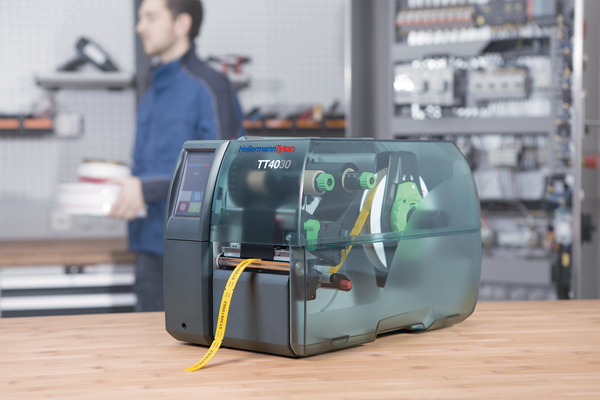
In today’s rapidly evolving technological landscape, integrating barcode technology with blockchain is emerging as a game-changer for various industries. This synergy promises to revolutionize business operations by enhancing transparency, security, and efficiency. This article will explore the intricacies of both technologies, their combined benefits, and real-world applications. Whether buying the cheapest thermal ribbon or seeking compatible Zebra printheads, understanding this integration can provide significant advantages.
Understanding Barcode Technology
Barcode technology has been a staple in business operations for decades. Barcodes have evolved from simple 1D codes to more complex 2D ones like QR codes. These technological advancements have expanded their applications across retail, healthcare, and logistics industries.
Barcodes streamline processes by enabling quick and accurate data capture. This has made inventory management, product tracking, and point-of-sale transactions more efficient. However, traditional barcode systems face security and data integrity limitations despite these benefits.
The Basics of Blockchain Technology
Blockchain technology, known for its role in cryptocurrencies like Bitcoin, offers a decentralized and immutable ledger system. Key features of blockchain include decentralization, where no single entity controls the data; immutability, ensuring that once data is recorded, it cannot be altered; and transparency, allowing all participants to view the transaction history.
A blockchain is a chain of blocks, each containing a list of transactions. These blocks are linked together using cryptographic hashes, forming a secure chain. The consensus mechanisms, such as Proof of Work or Proof of Stake, ensure that all participants agree on the validity of the transactions.
The Intersection of Barcode Technology and Blockchain
Integrating barcode technology with blockchain can address many of the limitations of traditional barcode systems. This integration allows for real-time tracking and verification of products throughout the supply chain. By scanning a barcode, stakeholders can access a product’s entire history, which is recorded on the blockchain. This enhances security, as blockchain’s immutable nature prevents tampering with the data.
For instance, a product’s journey from manufacturer to consumer can be transparently tracked in the supply chain. Each scan and transaction is recorded on the blockchain, ensuring product authenticity and reducing the risk of counterfeiting. This is particularly beneficial in industries such as pharmaceuticals, where the authenticity of products is critical.
Case Studies: Real-World Applications
- Food Industry: Blockchain and barcodes are being used to track the journey of food products from farm to table. This ensures transparency and helps in recalling contaminated products efficiently.
- Pharmaceuticals: By integrating blockchain and barcode technology, pharmaceutical companies can combat counterfeit drugs, ensuring that only authentic products reach consumers.
- Retail Operations: Retailers use these technologies to streamline inventory management, reduce shrinkage, and enhance the customer shopping experience by providing detailed product information.
Benefits of Integrating Barcode Technology with Blockchain
The integration of these technologies offers numerous benefits:
- Improved Supply Chain Efficiency: Real-time tracking and verification streamline supply chain operations.
- Enhanced Product Authenticity and Traceability: Blockchain’s transparency ensures that all product data is accurate and tamper-proof.
- Cost Savings and Operational Efficiency: Automating data capture and recording reduces manual errors and operational costs.
Challenges and Considerations
Despite the benefits, integrating barcode technology with blockchain is not without challenges. Technical hurdles include ensuring compatibility between existing barcode systems and blockchain platforms. Regulatory and compliance issues may arise, especially in highly regulated industries. Additionally, the initial cost and resources required for implementation can be significant.
Future Trends and Innovations
The future of barcode technology and blockchain integration looks promising. Emerging trends include using IoT devices to automate further data capture and developing user-friendly blockchain platforms. As these technologies evolve, their integration will become more seamless, offering greater benefits.
Conclusion
Barcode technology and blockchain synergy are set to revolutionize business operations across various industries. By enhancing transparency, security, and efficiency, this integration offers a competitive edge to businesses. As we look to the future, the continued development and adoption of these technologies will undoubtedly bring significant advancements in how businesses operate.
Frequently Asked Questions (FAQs)
- What is the main benefit of integrating barcode technology with blockchain? The main benefit is the enhanced transparency and security in tracking and verifying products throughout the supply chain.
- How does blockchain improve the security of barcode systems? Blockchain’s immutable and decentralized nature ensures that it cannot be altered once data is recorded, thus preventing tampering and ensuring data integrity.
- Are there any industries where this integration is particularly beneficial? Yes, food, pharmaceutical, and retail industries can significantly benefit from this integration due to the need for product authenticity and efficient supply chain management.
- What are the initial steps for a business looking to adopt these technologies? Businesses should start by assessing their current barcode systems, understanding blockchain technology, and identifying areas where integration can bring the most benefits.
- How do [buy cheapest thermal ribbon] and [compitible Zebra printhead] relate to this integration? High-quality and compatible printing supplies, such as thermal ribbons and printheads, are essential for ensuring the reliability and accuracy of barcode systems, which is crucial for effective integration with blockchain technology.

Alexia is the author at Research Snipers covering all technology news including Google, Apple, Android, Xiaomi, Huawei, Samsung News, and More.