Shock Move: Volvo Abandons Lidar on Future Flagships, Triggering Lawsuit
Volvo is surprisingly removing a safety-relevant key technology from its upcoming flagships. The abandonment of lidar will have far-reaching consequences for the autonomy of vehicles and lead to a legal dispute.
Farewell to the laser sensor
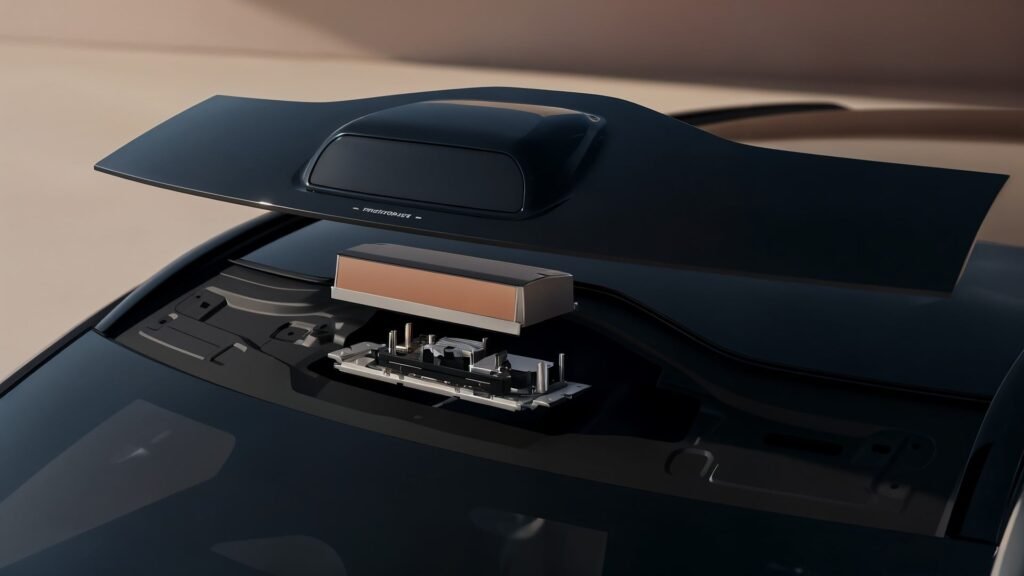
Swedish automaker Volvo has announced a significant change in its technology roadmap for the 2026 model year. The originally planned integration of lidar sensors in the flagship models EX90 and ES90 will be completely canceled. This is accompanied by the immediate termination of the collaboration with the long-standing partner and supplier Luminar. This decision marks a clear departure from the previous strategy, which positioned light detection and ranging (lidar) as an indispensable element for autonomous driving functions and advanced safety systems.
Volvo’s official reason is primarily to minimize risks in the supply chain. The technology was originally intended to be standard equipment, but was later downgraded to “optional” due to shortages and is now completely eliminated. A Volvo spokesman said this move was a direct result of Luminar failing to fulfill its contractual obligations. In the future, the vehicles will achieve the safety level defined by Volvo solely through a network of cameras, radar and ultrasonic sensors.
Background of the separation
However, the situation with the former partner seems to be far more complex than the official announcements initially suggest. As The Drive reports that Orlando-based Luminar is struggling with significant financial difficulties and massive job cuts. There were also profound restructurings at the management level, which reportedly also included an internal investigation by the supervisory board against the founder.
This instability is likely to have permanently damaged Volvo’s trust in the supplier. Luminar promptly responded to the termination of the partnership with legal action. In a stock exchange announcement, the company confirmed that it had filed claims for damages against Volvo. The loss of Volvo as its largest individual customer puts Luminar in a precarious economic situation, as the Swedish carmaker was also considered an important reference customer for the technology to be ready for series production.
Tesla as a role model?
Technically, the elimination of the distinctive “lidar bump” on the roof means that Volvo is now taking a similar path to Tesla. The approach shifts from a laser-based 3D measurement to a purely camera-based environment detection. The lack of lidar requires extensive adjustments to the software architecture, as algorithms now have to calculate the missing depth information that a laser scanner would provide with physical accuracy. At the same time, the loss of lidar could also mean that Volvo gets a better handle on its existing software problems.