Space-Saving Bathroom Ideas: Wall-Hung Toilet and Sliding Shower Door Pairings
Introduction
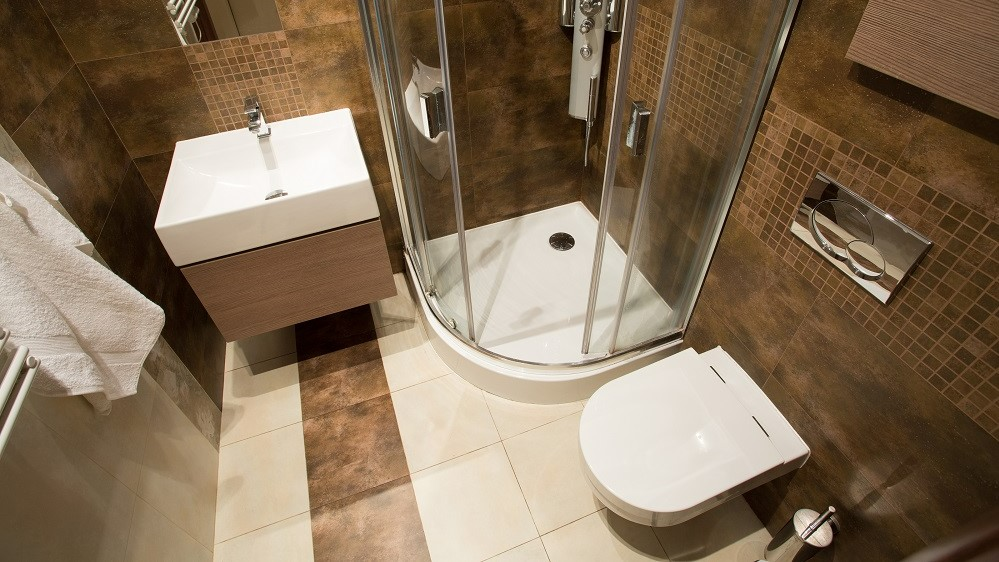
Small bathroom? You are not alone. Many city homes and guest suites face the same puzzle: how to fit key fixtures without making the room feel cramped. The smartest fix is to pair a wall-hung toilet with a sliding shower door. Why this combo? It clears floor space, removes door swing issues, and creates a clean, open look. Want a bathroom that feels bigger, works better, and is easier to clean? This guide shows you how.
Tip: If you are shopping, compare options for a wall hung toilet and a shower door early in your planning.
Why Wall-Hung Toilets & Sliding Shower Doors Are Space-Saving Leaders
- Wall-hung toilets mount the bowl on the wall and tuck the tank inside the wall. This reduces how far the toilet sticks out into the room. It also keeps the floor clear for easier cleaning.
- Sliding shower doors move side-to-side, so they need no swing space. This makes layout options easier in narrow rooms and next to vanities or toilets.
- The pairing clears visual clutter. With less projection and no door swing arc, the room feels wider and calmer.
Ask yourself: Would more floor space and less bumping into things make your mornings easier? For most small baths, the answer is yes.
Essential Principles of Compact Bathroom Design
- Know your limits: Small baths often measure 5′ x 7′ or 6′ x 6′. Every inch counts.
- Think in zones: Toilet zone, shower zone, and vanity zone. Keep paths clear between them.
- Mind clearances: Common goals include:
- At least 15 inches from toilet centerline to side wall.
- At least 21 inches clear in front of the toilet and vanity.
- Entry path of about 30 inches where possible.
- Use simple layouts: Straight lines beat zig-zags in tight rooms.
- Sketch before you buy: A quick plan helps you avoid crowded corners and door clashes.
Suggested diagram idea (for your notes):
- Plan A: Standard toilet + swinging shower door (shows blocked areas).
- Plan B: Wall-hung toilet + sliding shower door (shows free paths).
Wall-Hung Toilets: Features & Space Benefits
- What it is: A wall-hung toilet is mounted to a strong in-wall frame. The water tank sits inside the wall. The bowl “floats” above the floor.
- Space saved: Many standard toilets project about 27–30 inches from the wall. Wall-hung bowls can be as short as about 19–22 inches. That can save 5–12 inches in depth and free space for movement.
- Flexible height: Seat height can be set during install. This helps with comfort and universal design.
- Cleaning ease: The open floor under the bowl means faster mopping and fewer dust traps.
- Visual calm: With less bulk and fewer lines, the room feels bigger.
Key installation factors
- Wall strength: Use proper studs and a rated carrier frame. Many installs use 2×6 or reinforced framing.
- Access panel: The flush plate area usually doubles as a service panel for in-wall parts.
- Plumbing rough-ins: Confirm drain height, water supply, and vent path before framing.
- Sound control: Add insulation in the carrier wall to reduce flush noise.
Pro tip: Confirm bowl projection and carrier depth before you set your wall thickness. Small choices here can add up to major space wins.
Sliding Shower Doors: Types, Styles, and Space Efficiency
- Single-slider (one fixed + one moving panel): Good for tubs or narrow showers.
- Double-bypass (both panels slide): Flexible entry from either side.
- Barn-style (top rail, exposed rollers): Clean look; check for smooth rollers and soft-close options.
- Frameless vs. framed: Frameless gives an airy look and easier cleaning lines. Framed can cost less and adds rigidity.
Why they save space
- No swing radius: Great near vanities, next to a toilet, or in a tight alcove.
- Better path planning: You can place the opening where it best fits your flow.
What to check before you buy
- Track mechanism: Smooth glide, quiet rollers, and removable guides help with cleaning.
- Glass thickness: 5/16″ to 3/8″ feels solid; 1/4″ can save cost but flexes more.
- Privacy vs. light: Clear glass makes rooms feel bigger; frosted or tinted offers privacy while still passing light.
- Maintenance: Look for easy-clean coatings and detachable bottom guides.
Simple comparison
| Door Type | Space Needed | Entry Flexibility | Cleaning Ease | Visual Openness |
|---|---|---|---|---|
| Single Slider | Very low | One side only | High | High |
| Double Bypass | Very low | Both sides | High | High |
| Barn-Style Top | Very low | One or both (model) | Medium-High | High |
| Framed Slider | Very low | One or both (model) | Medium | Medium |
Strategic Layouts for Pairing Wall-Hung Toilets with Sliding Shower Doors
Zone planning tips
- Share a plumbing wall: Place the wall-hung toilet back-to-back or near the shower to simplify pipes and save inches.
- Keep sight lines open: Use clear glass to extend the visual width of the room.
- Allow a 30-inch walkway where possible: Even 28 inches feels decent in a pinch.
Popular layouts
- Side-by-side: Shower along one wall, toilet next to it, vanity opposite.
- Good for 5′ x 7′ baths.
- Clear and simple path from door to vanity.
- L-shaped: Shower at the end, toilet on side wall, vanity near entry.
- Offers more privacy for the toilet.
- Works well if the door is centered on the long wall.
How this beats a standard toilet + swinging door
- A swinging door often blocks 7–10 sq. ft. of “can’t-stand-here” space.
- A wall-hung toilet shortens projection, so feet and knees are not squeezed between toilet and vanity.
- Sliding doors let you stand right next to the shower without a door hitting you or your vanity.
Common room examples
| Room Size | Layout | Shower Width | Toilet Projection | Walkway Width |
|---|---|---|---|---|
| 5′ x 7′ | Side-by-side | 60″ | 20–22″ | ~30″ |
| 6′ x 6′ | L-shaped | 48–54″ | 20–22″ | ~30–32″ |
Note: These are starting points. Adjust to your actual walls, doors, and window locations.
Design Integration: Style, Storage, and Usability
- Match finishes: Keep metals consistent (chrome, matte black, brushed nickel). A single finish feels calm.
- Use floating pieces: Floating vanity and wall shelves add visual floor area.
- Build storage in the wall: Recessed shower niches and medicine cabinets keep counters clear.
- Choose glass wisely: Clear glass feels larger; frosted or patterned boosts privacy. A half-frosted strip can hide the middle while keeping light.
Small style ideas
- Large-format tiles reduce grout lines and make walls read as one surface.
- Light colors on walls and ceiling brighten the space.
- Low-profile hardware (thin handles, slim flush plates) cuts visual bulk.
Step-by-Step Planning & Installation Guide
Planning checklist
- Measure room length, width, and ceiling height.
- Mark door swing (or confirm a slider) and any windows.
- Pick your shower size and door type.
- Pick your wall-hung bowl projection and carrier depth.
- Confirm rough plumbing locations and vent path.
- Plan tile layout, niche spots, and blocking for grab bars.
- Choose finishes and glass type early to match hardware holes and heights.
Installation tips
- Framing: Reinforce the carrier wall with proper studs and cross-bracing. Check plumb and level.
- Waterproofing: Use a continuous waterproof membrane in the shower. Seal seams at the track and walls.
- Set heights: Decide seat height (often ~17–19″ to top of seat) and vanity height early.
- Check clearances: Dry-fit the bowl and door track before final tile work.
- Seal smart: Use high-quality silicone at glass edges, track ends, and around the bowl gasket area.
Sample remodel timeline
| Phase | Typical Time |
|---|---|
| Planning & Ordering | 1–3 weeks |
| Demolition | 1–2 days |
| Framing & Rough Plumbing | 2–4 days |
| Electrical & Blocking | 1–2 days |
| Waterproofing | 1–2 days |
| Tile & Grout | 3–5 days |
| Fixture Install | 1–2 days |
| Caulk & Punch List | 1–2 days |
Case Studies & Expert Commentary
- Case 1: 5′ x 7′ hall bath
Before: Standard toilet (29″ projection), tub + curtain, swinging entry door.
After: Wall-hung toilet (20.5″ projection), 60″ sliding shower door, pocket entry door.
Results: Walkway increased from ~24″ to ~30″. No door clash with vanity drawers. Cleaning time dropped because the floor under the toilet stayed clear. - Case 2: 6′ x 6′ condo bath
Before: Small corner shower with hinged door that hit the towel bar, floor-mounted toilet.
After: 48″ barn-style slider and wall-hung toilet on shared wet wall.
Results: Clear entry, no swing conflicts, and a more open sight line from the door.
What pros like about this pairing
- Easier code clearances in tight rooms.
- Fewer obstructions in front of the shower and vanity.
- A modern look that also serves function.
Interactive Tools for Layout Planning
Try this simple “space math” to test a side-by-side plan:
- Walkway Width = Room Width – Shower Width – Toilet Projection
- Aim for 30 inches. If you get less than 28 inches, reduce toilet projection or choose a narrower vanity.
Example
- Room width: 60″
- Shower width: 30″
- Toilet projection: 21″
- Walkway: 60 – 30 – 21 = 9″ (too tight)
- Fix: Use a 48″ shower and a 20″ projection bowl.
- New walkway: 60 – 48 – 20 = 12″ (still tight). Consider moving the vanity or choosing an L layout.
Printable template (copy/paste)
- Room L x W:
- Door location and width:
- Shower size and door type:
- Toilet projection and seat height:
- Vanity width and depth:
- Clearances: front of toilet, front of vanity, main walkway:
Maintenance & Cleaning Efficiency
Wall-hung toilet
- Quick mop under the bowl.
- Wipe the smooth bowl underside first to prevent drips onto clean floors.
- Use the flush plate panel for access if parts need service.
Sliding doors
- Add a daily squeegee routine to cut water spots.
- Clean tracks weekly with a small brush and mild cleaner.
- Choose glass with easy-clean coating if you have hard water.
- Check rollers twice a year and adjust for smooth glide.
Hardware durability tips
- Keep screws snug but avoid over-tightening.
- Use non-abrasive cleaners on metal finishes.
- Rinse and dry tracks after deep cleans to prevent residue.
Accessibility & Universal Design Considerations
- Seat height: Set the bowl so the seat is about 17–19″ high for easier sitting and standing.
- Wider opening: Double-bypass sliders allow entry from either side; target at least 24–28″ opening for easier access.
- Low or no curb: A low threshold or curbless shower with a slider improves entry.
- Handles and levers: Choose comfortable grips with slip-resistant surfaces.
- Slip-resistant floor tile: Look for higher friction ratings in wet zones.
- Grab bars: Add blocking behind tile now for future bars at the shower entrance, along the back wall, and near the toilet.
Frequently Asked Questions
- Does a wall-hung toilet cost more? Yes, the carrier and in-wall work add cost. Many people find the space gain and cleaning ease worth it in small rooms.
- Is the in-wall tank hard to repair? Service is through the flush plate opening. Good carriers are built for access. Keep model info handy for future parts.
- Are sliding doors harder to clean than curtains? The glass needs wiping, but easy-clean coatings and a daily squeegee help. Detachable guides and frameless edges also make it simple.
- Will a sliding door leak? A well-installed slider with correct overlap and sealed edges handles normal spray. Keep the shower head aimed away from the opening.
- How much space can I save with a wall-hung toilet? Often 5–12 inches in projection compared to many standard bowls. That extra space often improves comfort in front of the vanity too.
- Can I install a wall-hung toilet on any wall? You need proper framing space and a rated carrier. Many projects use a 2×6 wall or add a plumbing chase.
Resources & Further Reading
- Small bathroom layout standards: Check local code for toilet side and front clearances and shower opening guidance.
- Pro installation guides: Read carrier frame instructions and the door maker’s install manual before you start.
- Community inspiration: Look for layout drawings and before/after posts in home design forums to spark ideas.
Closing Thoughts
In a tight bathroom, the right pair of fixtures can change the room. A wall-hung toilet cuts projection and clears the floor. A sliding shower door removes swing problems and opens your path. Together, they make a small space feel bigger, cleaner, and easier to use every day. Ready to plan your layout? Start with room measurements, pick your bowl projection and door style, and use the space math above to fine-tune the fit. Would a few inches make your daily routine smoother? For many small baths, the answer is yes.

Alexia is the author at Research Snipers covering all technology news including Google, Apple, Android, Xiaomi, Huawei, Samsung News, and More.