Startup from Valve founder Newell challenges Musks Neuralink

Valve founder Gabe Newell is driving the development of brain computer interfaces: his startup Starfish Neuroscience announces a chip for the end of 2025, which is scheduled to set new standards in the treatment of neurological diseases.
Breakthrough in brain computer interfaces
The neurotechnology startup Starfish Technologies is about to be an important milestone: The first Brain-computer interface chips (BCI) are to be delivered this year. The makers hope that the development could be significant progress for neuroscience. BCIS enable direct communication between electrical brain activity and external devices such as computers or robotic limbs. They are mainly used to explore, support or restore cognitive or sensorimotor functions. The certainly best -known company in this area is Elon Musk’s Neuralink.
Revolutionary technology
The new Starfish chip is intended to enable precise records and stimulations of neuronal activity than previous BCI systems. Like the company in one Blog post communicated, the team deliberately develops the chips compactly and energy -efficiently, with the long -term goal of being able to operate them completely wirelessly and without a battery.
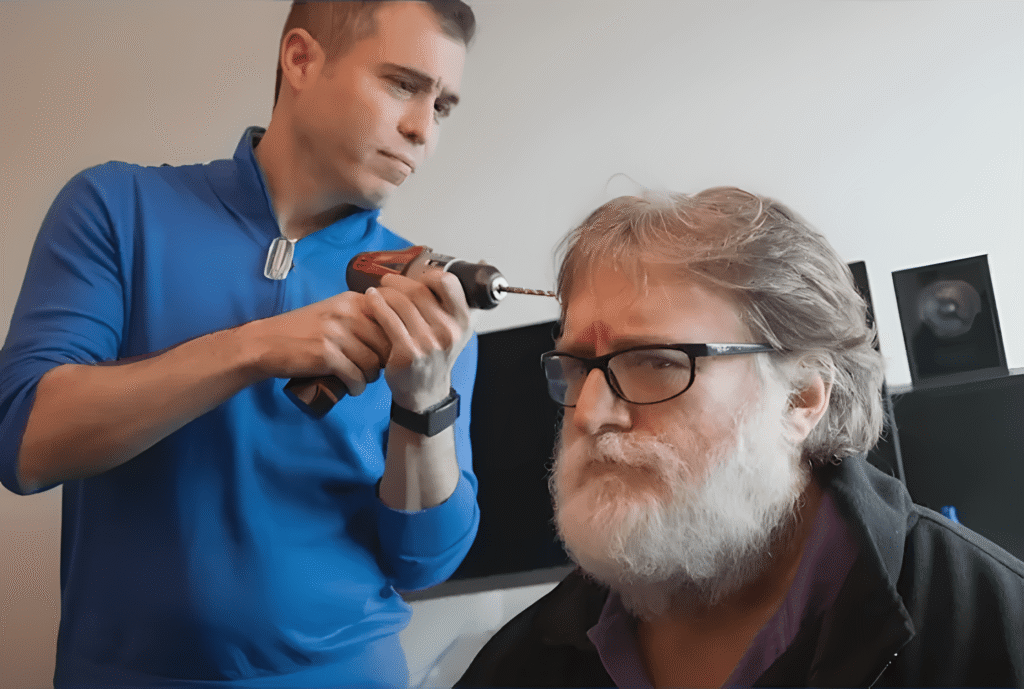
The technology is particularly aimed at neurological diseases such as Parkinson’s, where communication between different brain regions is disturbed. The possibility of “reading and describing” several neural areas at the same time could open up new therapeutic approaches for complex disorders.
Strong competition in the BCI market
While competitor Neuralink relies on an invasive operation in which the device is implanted in the skull of the user – which was carried out for the first time in humans in January 2024 – Starfish follows a different approach. The company relies on a “minimally invasive” procedure. The band -shaped device is designed in such a way that it adapts to the brain surface without wires and electrodes to penetrate the brain tissue.
This gentler method could increase the acceptance of the technology and significantly reduce complication risks. Starfish Neuroscience was co-founded by Valve founder Gabe Newell, who has been showing a personal interest in neurotechnology for a long time. Newell, known for the Steam and Games like Half-Life, has repeatedly emphasized in interviews that he considers the potential of brain-computer interfaces to be far-reaching than virtual reality.
Despite the promising potential, BCI technologies face considerable challenges. In addition to technical hurdles such as long -term stability and biocompatibility, ethical questions about data protection, autonomy and possible abuse must also be addressed. Experts emphasize that the development of BCIS requires interdisciplinary cooperation – from neuroscientists and engineers to ethics and patient representatives. This is the only way to develop technologies that are not only technically advanced, but also safe and ethically justifiable.

Digital marketing enthusiast and industry professional in Digital technologies, Technology News, Mobile phones, software, gadgets with vast experience in the tech industry, I have a keen interest in technology, News breaking.