Sunnyvale Homeowner’s Guide: Diagnosing Clicking Sounds in Your Automatic Gate Motor
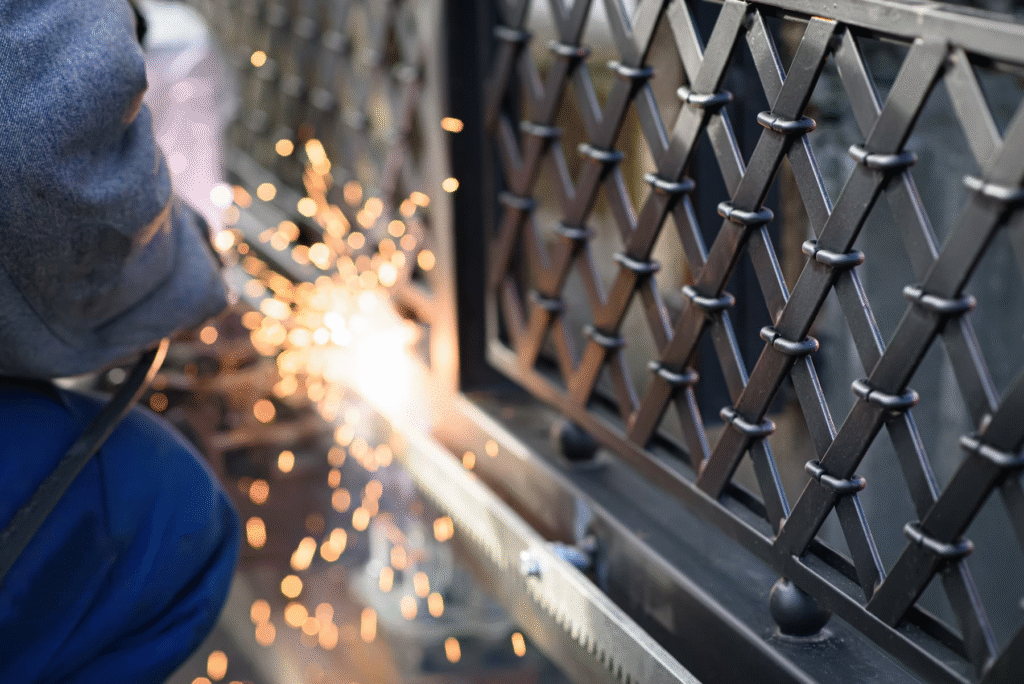
If your automatic gate is making a persistent clicking or clunking sound, you’re not alone. These noises often leave homeowners puzzled, wondering whether the system is about to fail—or just being noisy. In this comprehensive guide on Gate Repair Sunnyvale, we’ll delve into everything Sunnyvale homeowners need to know about diagnosing clicking sounds from their automatic gate motor and how to address them.
From soft, rhythmic clicks to loud mechanical clunks, the nature of the sound can reveal a lot. So, let’s dive in and explore what these electric gate sounds might be telling you.
Why Is My Gate Clicking?
Gate clicking noise is one of the most commonly reported issues in residential gate systems. It’s a noise that typically occurs during gate movement—either when opening, closing, or sometimes even when idle. While it may seem minor at first, it’s essential to pay attention, as it can be an early warning sign of gate motor failure.
These sounds can result from electrical malfunctions, mechanical wear, or environmental factors like moisture or insects affecting the internal components. Understanding the cause of these noises is the first step in effective gate troubleshooting.
When Sound Becomes a Signal: Types of Clicking Noises
Not all clicks are created equal. It’s important to note that different types of clicking can signal different problems:
- Soft, Rhythmic Clicks: These often come from relay switches engaging. While not always problematic, repeated clicking could mean the relay is stuck or failing.
- Loud, Erratic Clunks: These typically indicate mechanical stress—like worn gears or obstructions in the track. Unveiling this type of sound early can prevent gate motor failure or track misalignment.
- Intermittent Pulses with No Movement: This clicking often points to a capacitor trying (and failing) to fire the motor, which is a common motor clicking repair scenario.
Understanding the type of click is crucial in assessing what’s really going wrong inside your gate opener system.
Common Causes of Clicking in Gate Motors
Now, let’s embark on a breakdown of the most common culprits behind clicking sounds in your automatic gate motor.
- Relay Switch Malfunction: These tiny switches control power flow within the gate motor. When they start to fail, they may click repeatedly without successfully sending a signal to the motor.
- Capacitor Failure: Capacitors store energy to kickstart the motor. A weak or failing capacitor will result in a clicking sound as it attempts (and fails) to deliver a sufficient charge.
- Worn Gearbox or Mechanical Strain: Over time, the gears inside the motor degrade. As they misalign or wear out, they can create a harsh clicking or clunking sound during operation.
- Loose Wiring or Connectors: Vibration and weather exposure can loosen internal wires. These weak connections can intermittently make and break contact, creating repeated clicking.
- Insect or Debris Intrusion: Believe it or not, small bugs or leaves inside the housing can disrupt moving parts or short low-voltage components, resulting in strange electrical noises.
Essentially, these issues range from mild to daunting, but all are fixable if caught early.
The Control Board Conversation: Decoding Your Motor’s Signals
One noteworthy area often overlooked by homeowners is the control board—or logic board. This component acts as the brain of your gate motor, and gate clicking noises can be the board’s way of signaling that something’s wrong.
A repeating clicking noise may mean that the board is sending a signal that isn’t being properly received due to:
- Faulty relay switches on the board itself
- Burned resistors or capacitors
- Corrupted firmware or power surges affecting internal memory
Interestingly, a simple power cycle may temporarily stop the sound, but the underlying issue remains. This is why professional diagnosis is often necessary.
Case Study: A Sunnyvale Client’s Persistent Clicks
Picture this: A homeowner in Sunnyvale, California, noticed clicking sounds every time their gate opened—and sometimes even when it wasn’t moving. Over the course of several weeks, the clicking grew louder and more frequent until, one morning, the gate stopped functioning altogether.
They contacted RNA Automatic Gates after finding us through a local search for gate repair Sunnyvale. Our technician arrived within hours to investigate.
- We discovered the motor’s capacitor had completely failed.
- The control board relay was clicking but failing to engage the motor.
- Water had corroded the wire terminals, increasing resistance and signal loss.
Within an hour, we had replaced the faulty capacitor, cleaned the board, secured the wiring, and fully restored the system. This demonstrates how quick action can unlock a solution before bigger damage occurs.
DIY First Steps Before Calling a Pro
Before calling a technician, there are safe first steps any homeowner can take to troubleshoot a clicking gate:
- Check Power Supply: Ensure the breaker hasn’t tripped and the outlet powering the motor is live.
- Observe Click Pattern: Is it constant, intermittent, or rhythmic? Patterns help professionals diagnose faster.
- Reset the Opener: A basic system reset may clear minor electronic glitches.
- Inspect for Obvious Blockages: Debris or insects may have entered the housing—gently remove visible obstructions.
Bear in mind, if the clicking persists after these steps, it’s time to call for sunnyvale gate services from a professional like RNA Automatic Gates.
What Not to Touch: Avoiding Damage During Inspection
While DIY curiosity is understandable, it’s crucial to note that some parts of your gate system can be dangerous to handle:
- Control Board: Handling the logic board without proper tools can cause permanent damage.
- Capacitor Terminals: Even when powered off, capacitors can store high voltage and shock you.
- Live Wiring: Exposed or damaged wires pose serious electrical hazards.
In this context, leave the diagnostics and motor clicking repair to licensed professionals. We pride ourselves on safety-first service and transparent problem-solving.
Tools of the Trade: How We Diagnose Gate Motor Sounds
When you hire RNA Automatic Gates, you’re getting more than guesswork—you’re getting a top-notch, comprehensive diagnosis powered by professional tools and experience.
Our technicians use:
- Multimeters to test voltage levels and check for shorts or dead zones
- Inductive Signal Testers to track the path of electrical signals through the system
- Sound Frequency Analyzers to differentiate normal operational clicks from concerning clunks
- Capacitor Testers to determine microfarad strength and decay rates
- Thermal Imagers to detect overheating components or abnormal resistance
This deep dive allows us to pinpoint the issue quickly and accurately—reducing downtime and preventing costly damage.
When a Clicking Gate Means a Bigger Problem
While some clicking is minor, it’s worth mentioning that it can sometimes foreshadow larger mechanical or electronic failures, such as:
- Complete Motor Burnout: Repeated failed starts can overheat the motor coil.
- Control Board Failure: Relay overloads can burn tracks and require board replacement.
- Track Misalignment and Gear Damage: Continued operation with internal resistance can damage the drive gears or strip the track.
From this perspective, a small clicking noise should never be ignored. A quick repair now prevents a more daunting replacement later.
How RNA Fixed This Sunnyvale Gate in Under an Hour
Here’s how we restored a client’s noisy gate motor in under 60 minutes:
- Initial Diagnostics: Confirmed constant clicking and no gate movement.
- Multimeter Test: Verified power supply was stable, but the capacitor was dead.
- Capacitor Replacement: Swapped with a matching high-torque start capacitor.
- Board Cleaning and Wire Reseating: Cleaned contacts and reseated all connections to remove corrosion.
- Full Test Run: Verified normal operation, reset open/close travel limits, and monitored for abnormal electric gate sounds.
In a nutshell, our fast response and skilled troubleshooting restored the client’s gate the same day—a testament to our commitment to quality service.
Motor Maintenance Tips to Prevent Clicking Noises
To prevent gate clicking noises and extend your system’s lifespan, we recommend these simple maintenance habits:
- Lubricate Moving Parts Monthly: Reduce strain on gears and rollers.
- Check for Insects or Debris Inside Housing: Keep internal components clean and protected.
- Test Backup Battery and Surge Protector: Storms and outages cause many unexpected issues.
- Schedule Annual Tune-Ups: Our technicians inspect every component for wear and tear during scheduled maintenance.
Striving to stay proactive with upkeep can eliminate most common gate opener issues before they become disruptive.
Should You Upgrade? When Clicking Signals It’s Time for a New System
Sometimes, repeated clicking is not just a repair issue, but a symptom that your system is outdated. Here’s when to consider transitioning to a new setup:
- Frequent Repairs: If you’re calling a technician multiple times a year, it’s time to upgrade.
- Obsolete Parts: If your gate motor model is no longer supported by the manufacturer.
- Incompatible Accessories: Modern security systems and sensors may not integrate with older models.
- Energy Inefficiency: Older motors draw more power and operate less efficiently.
Upgrading ensures optimal performance, energy savings, and access to smart features like app control and wireless diagnostics.
Frequently Asked Questions (FAQ)
Q: Is it safe to use my gate while it’s making a clicking noise?
A:It’s essential to stop using the gate if the clicking persists. Continued use can worsen internal damage or pose a safety risk.
Q: Can I repair a clicking gate motor myself?
A: While you can perform basic checks, motor clicking repair often involves high-voltage parts and should be handled by a professional.
Q: What’s the cost to fix a noisy gate motor?
A: Minor repairs (like capacitor replacements) are relatively affordable. Full gate motor failure repairs or replacements will vary depending on the system.
Q: How do I find reliable gate repair in Sunnyvale?
A:Look no further than RNA Automatic Gates – Gate Repair Sunnyvale. We provide reliable, same-day service throughout Sunnyvale and surrounding areas.
In Conclusion
To sum up, clicking noises from your automatic gate motor are your system’s way of asking for help. Whether it’s a loose wire, faulty capacitor, or worn gear, RNA Automatic Gates in Sunnyvale has the expertise to diagnose and fix it quickly and professionally.
We understand the importance of a secure, functioning gate—and that’s why we offer rapid service backed by years of experience. So if you’re hearing clicks, don’t wait. Let’s unveil the issue and restore your peace of mind.

Alexia is the author at Research Snipers covering all technology news including Google, Apple, Android, Xiaomi, Huawei, Samsung News, and More.