Sustainable MedTech: The Circular Economy of Medical Device Rentals
Sustainability now shapes almost every industry. Healthcare equipment also needs smarter choices. However, many people still think “green” means sacrificing convenience. In reality, rentals can support both access and waste reduction.
Medical device rentals fit circular economy thinking. Therefore, they can lower landfill waste and extend product life. Moreover, they can make home care more flexible for families.
What does the “circular economy” mean in MedTech rentals
A circular economy keeps products in use longer. It also reduces raw material extraction. Meanwhile, it improves reuse, repair, and recycling.
Medical rentals naturally match this model. Several users use the same device at different times, but each user owns only one. Less, then, may be the number of new units required annually.
Circular systems typically include:
- Responsible sourcing of durable materials
- Product longevity with preventative maintenance
- Refurbishment programs that restore performance
- In between each rental cycle, there are quantity checks
- Deployment of a parts recovery and recycling end-of-life concept
- Usage and service tracking – Documented
A rental company can also create processes for each step. That design frequently means better reliability as well. In short, sustainability and quality are not at odds.
Why medical device waste has become a growing issue
Healthcare creates significant waste. Single-use items come into play, of course. But big things like that too often turn into trash.
Several forces drive early disposal:
- Cosmetic damage that scares buyers
- Limited repair access for consumers
- Storage problems in small homes
- Immediate requirements post-surgery or accidents
- Product ‘upgrades’ that force the replacement cycle
- Opaque resale markets and confusing price structures
Meanwhile, families often feel rushed. They buy a device “just in case.” As a result, many devices sit unused for years.
Rentals change that behaviour. Therefore, they can reduce unnecessary purchases. Moreover, they can match equipment to real timelines.
How rentals create a practical circular loop
A circular loop needs repeatable steps. Rental businesses can enforce those steps consistently. Additionally, they can standardize checks better than individual owners.
The rental cycle, step by step
Most circular rental programs follow a repeat cycle:
- Delivery and setup guidance for safe use
- Clear usage instructions and support contacts
- Scheduled pickup when the need ends
- Deep cleaning using approved processes
- Inspection of frame, motors, and controls
- Repairs and part replacement when needed
- Functional testing before the next delivery
- Documentation updates after every service
Moreover, companies can track each unit’s history. That tracking can support safer performance over time. However, transparency matters, so ask providers about their process.
H3: Refurbishment adds years of usable life
Refurbishment does more than “wipe it down.” It restores function and appearance. So it can alleviate the purchasing pressure of new equipment.
- Common refurbishment actions include:
- Replacing worn casters and brakes
- Checking welds and moving joints
- Updating hand controls and cords
- Calibrating actuators and lift systems
- Repairing rails, latches, and locks
- Replacing missing labels and manuals
Additionally, refurbishment supports local jobs. Repair technicians keep devices circulating. As a result, communities benefit beyond the rental itself.
The environmental benefits of renting medical devices
Rentals can reduce resource use. They also cut down shipping cycles from factories. Meanwhile, they reduce bulky items going to landfills.
Key environmental advantages often include:
- Fewer new units are manufactured each year
- Less packaging waste from boxed retail sales
- Lower storage waste from unused equipment
- Reduced demand for raw metals and plastics
- Better parts recycling through organized recovery
- Fewer “single-household” devices sitting idle
However, benefits depend on good operations. Therefore, choose providers that maintain and refurbish properly. Moreover, local providers may reduce transport emissions.
The economic benefits for families and care teams
Sustainability must still make financial sense. Rentals often do, especially for short-term needs. Additionally, they can reduce upfront stress for families.
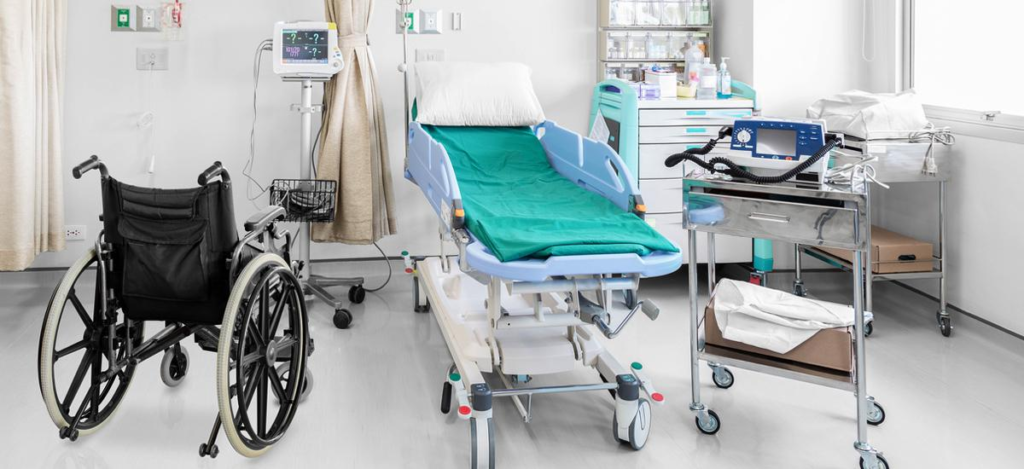
Families often choose hospital bed rental when care needs change fast. Meanwhile, rental plans can match recovery timelines and budgets.
Rentals may help people avoid:
- Full price for temporary needs
- Storing bulky equipment long-term
- Overview of handling resale listings and buyer risk
- Worrying about unknown maintenance history
- Losing value for small cosmetic damage
- Getting the incorrect model for the thing
Moreover, rentals can support upgrades. Providers can also change the equipment if needs change. This ensures that the setup remains relevant to changing mobility requirements.
Flexibility matters during transitions
Care needs can change weekly. A hospital discharge can move fast. Therefore, flexible rentals can reduce pressure.
Flexibility often includes:
- Weekly or monthly rental options
- Delivery scheduling around discharge times
- Add-ons like rails, trapeze bars, or tables
- Swap-outs if the fit feels wrong
- Short extensions without repurchasing
Additionally, quick service can prevent gaps in care. That gap can create safety risks at home. In other words, speed can support peace of mind.
What to look for in a truly circular rental provider
Not every rental program runs the same way. Some companies focus only on volume. Circular thinking, though, requires process discipline.
So before you commit, you should be asking these questions:
- Is every single device inspected upon return?
- At the same time, do you also document your maintenance and repairs?
- What are the cleaning procedures that you follow?
- Do you proactively replace parts with high wear?
- Please tell me what you did to restore them?
- Do you practice parts recycling at the end of life?
Moreover, check communication quality. Response times are quick, which likely means good operations. Test responsiveness before the day of delivery, therefore.
Local sustainability: why regional rentals strengthen the model
Local rentals can reduce long-distance shipping. They can also keep devices circulating in one area. Additionally, local providers often know local home layouts.
If you need to rent a hospital bed in Mississauga, consider providers that service Mississauga directly. Meanwhile, ask if they stock units locally rather than shipping from far away.
Local service can support:
- Faster delivery and pickup scheduling
- Lower transportation distance per rental cycle
- Better responsiveness for swaps and repairs
- Familiarity with condo elevators and stairs
- Easier communication with local caregivers
However, “local” should still mean accountable. Therefore, confirm policies in writing. Moreover, ask about after-hours support if needed.
How circular rentals support long-term healthcare resilience
A synonym of resilience is that systems adapt under stress. Inevitably, new manufacturing will be behind during spikes in demand. Meanwhile, supply chains can break.
A solid rental network assists in bridging limitations. As a result, refurbished inventory can be beneficial for fast availability. In addition, circular programs could lessen reliance on constant imports.
Resilience could be supported through circular rental models:
- Rounding up of units, poised for action
- Maintenance schedules that reduce breakdowns
- Standardized training for delivery teams
- Cleaner handoffs between clients
- Clear documentation for every unit
Rental firms can also work with clinics. They can also coordinate referrals and timelines. Because of this, families may experience shorter waiting times.
Conclusion
Sustainable MedTech needs practical models. A tangible way forward is provided by the circular economy. But it relies on robust processes and trustworthy providers.
When devices are leased, they remain in use longer. This way, they can help reduce waste and allow for flexible home care. They can help families control costs and timing without large commitments.
If you intend to utilize the hospital bed rental, ask what process the firm uses to refurbish and track the units. So, if you have to rent a hospital bed in Mississauga, always choose local service while adhering to the following maintenance standards. All of which means that sustainability is enhanced when operations remain transparent and consistent.

Alexia is the author at Research Snipers covering all technology news including Google, Apple, Android, Xiaomi, Huawei, Samsung News, and More.