Tesla Owners Alert: LG Battery Cells Age 40% Faster Than Panasonic, Experts Warn
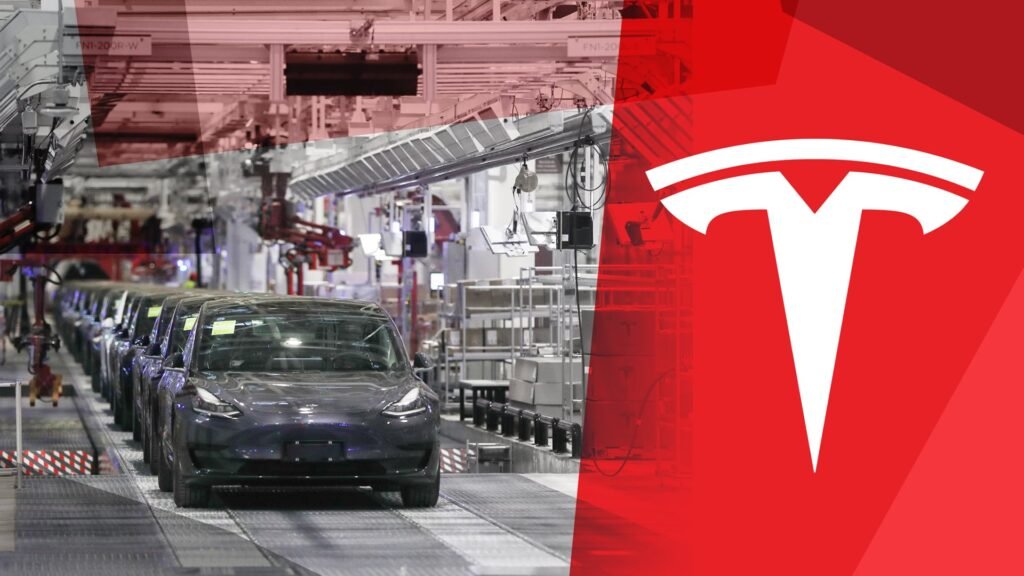
Owners of a Tesla with LG cells produced in China may have to prepare for a limited (longer) lifespan of their battery. Analyzes show that these packs age significantly faster than Panasonic’s competitors.
Warning about LG cells in Tesla cars
Owners of a Tesla Model 3 or Model Y should be careful if their vehicle has NCM811 battery cells from LG Energy Solution installed. The renowned Croatian specialist workshop “EV Clinic”, known for in-depth diagnostics and repairs of electric vehicles, expresses serious concerns about the durability of these specific energy storage devices. According to the technicians, the nickel-manganese-cobalt batteries (NCM) from Nanjing, China, have a significantly higher failure rate compared to their Panasonic counterparts. The widespread long-range and performance variants, which can be found in large numbers on the European market, are particularly affected.
A look at the cell chemistry makes the differences clear. While Tesla often uses the very robust lithium iron phosphate batteries (LFP) from the Chinese global market leader CATL for its standard range models, the more energy-dense NCM or NCA cells are used for models with a long range. The workshop data suggests that the Panasonic packs with their nickel-cobalt-aluminum chemistry (NCA) often achieve mileages of up to 400,000 kilometers before the first significant cell defects occur. In contrast, the LG packs with the NCM mixture often approach the end of their service life at around 240,000 kilometers. The abbreviation “811” stands for the mixing ratio of the cathode: eight parts nickel, one part cobalt and one part manganese. Although this high nickel content increases the energy density, it is considered to be thermally and chemically more sensitive.
Analysis reveals serious deficiencies
The technical analysis of the defective units shows clear differences in quality. Like the industry magazine Torque News citing the studies reported, the main problem lies in the internal resistance of the cells. A healthy Panasonic battery typically has an internal resistance of around ten milliohms, while a value considered defective starts at around 28 milliohms.
According to the experts, the problem is that new LG cells sometimes already reach or exceed this critical threshold when delivered. When sampling modules with 46 cells, technicians found cells with values above 100 milliohms, while the remaining cells were still above 50 milliohms. This uniform degradation means that repairs at the cellular level are effectively impossible. If the internal resistance of a cell increases, it heats up more under load and the voltage drops earlier than in neighboring cells.
The battery management system detects this discrepancy and reports an error. Replacing individual modules does not make economic sense in this scenario, as the remaining, already weakened cells would also fail shortly afterwards in a kind of domino effect. The experts therefore classify the repair as “operationally unsustainable”. This is in stark contrast to Panasonic packs, where defects often occur in isolation and can therefore be remedied by specifically replacing individual cells or modules.
Consequences for consumers
The situation is already having noticeable financial consequences for specialized repair companies. EV Clinic claims to lose more than 20,000 euros per month through diagnostic work on these specific batteries, as they often turn out to be irreparable afterwards. The time it takes to open the glued battery packs and measure the thousands of individual cells in the 2170 form factor is enormous.
In response, a special fee was introduced to pre-assess the general feasibility of a repair and to cover costs. Affected customers often only have the expensive complete replacement of the battery pack directly with Tesla, which involves costs in the five-figure range outside of the warranty period. Alternatively, you can switch to a used Panasonic pack from the secondary market Electrek confirmed citing the workshop data.

Digital marketing enthusiast and industry professional in Digital technologies, Technology News, Mobile phones, software, gadgets with vast experience in the tech industry, I have a keen interest in technology, News breaking.