The Growing Role of DTF Technology in Modern Apparel Production
The apparel industry has always evolved alongside technology. From traditional screen printing methods to digital direct-to-garment systems, each innovation has aimed to increase efficiency, reduce costs, and improve print quality. In recent years, Direct-to-Film (DTF) printing has emerged as one of the most significant developments in custom garment production.
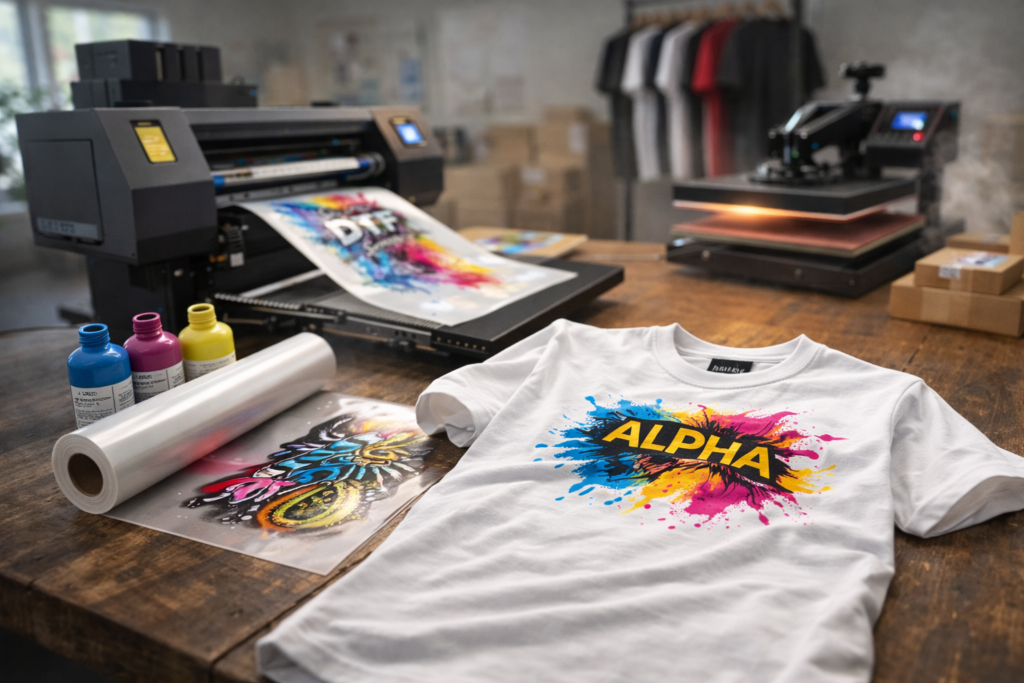
DTF technology allows designs to be printed onto a special transfer film and then applied to fabric using heat. This process offers flexibility, strong color output, and compatibility with various textile types. As small businesses and independent brands search for scalable and cost-effective printing solutions, DTF has quickly gained attention.
Why DTF Is Expanding So Quickly
One of the key reasons for DTF’s rapid growth is its operational efficiency. Unlike traditional screen printing, which requires setup time for each design and color separation, DTF simplifies the process. Designs can be printed digitally and applied with minimal preparation, making it ideal for small-batch or on-demand production.
For emerging apparel brands, this flexibility reduces financial risk. Instead of committing to large production runs, businesses can print smaller quantities while maintaining professional quality. This agility supports the fast-moving nature of modern e-commerce and social media-driven trends.
Additionally, DTF works on a variety of materials, including cotton, polyester, and blended fabrics. This compatibility makes it attractive to businesses producing diverse product lines.
The Local Advantage in a Digital Market
Despite the global nature of online commerce, proximity still matters in manufacturing and production. Businesses often prefer working with local printing providers for faster turnaround times and improved communication. This is particularly relevant when tight deadlines are involved, such as product launches or event merchandise.
Search trends increasingly reflect this demand for proximity. Businesses frequently look for reliable, nearby production partners who can provide both quality and speed. Local providers equipped with advanced DTF technology are well-positioned to meet these expectations.
Companies like Alpha DTF Print operate within this modern hybrid model. By combining local production capabilities with nationwide shipping, they offer flexibility to both nearby clients and businesses across the country. This structure allows companies to scale without sacrificing direct support or production reliability.
Technology, Quality, and Scalability
Quality remains a primary factor in printing decisions. Poor adhesion, fading colors, or inconsistent output can harm a brand’s credibility. Modern DTF systems have significantly improved in this regard, delivering sharp detail and long-lasting durability.
Another important element is scalability. As brands grow, their production needs increase. DTF systems allow printing providers to adjust output volumes without completely restructuring their workflow. This makes it easier to accommodate both small orders and larger commercial batches.
From a technological standpoint, DTF printing also integrates well with digital design workflows. Businesses can move from digital mockups to final products more efficiently than with traditional methods.
Sustainability and Waste Reduction
Sustainability is increasingly important in manufacturing. Overproduction and unsold inventory contribute to environmental waste. Because DTF supports smaller production runs and on-demand printing, it aligns more closely with responsible production strategies.
Local production also reduces certain transportation demands compared to overseas manufacturing. For businesses seeking more sustainable supply chains, working with regional printing providers can be part of a broader strategy to lower environmental impact.
A Continuing Evolution
The rise of DTF printing is not simply a passing trend. It reflects a broader transformation in how products are designed, produced, and delivered. As businesses continue to prioritize speed, quality, and adaptability, printing technologies that support these goals will remain central to growth.
Modern apparel production now depends on the ability to respond quickly to changing consumer demands. Whether serving local markets or shipping nationwide, companies that leverage advanced DTF systems are building a foundation for long-term competitiveness.

Alexia is the author at Research Snipers covering all technology news including Google, Apple, Android, Xiaomi, Huawei, Samsung News, and More.