The Key Design Elements That Define Modern Commercial Marina Docks
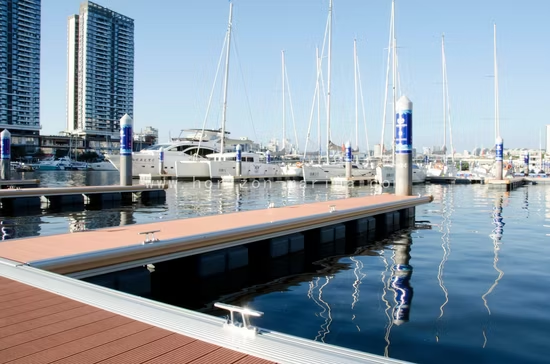
Step onto any bustling, modern waterfront, and what do you see? You’ll see boats, people, restaurants, and activity. But holding all of that together, serving as the central nervous system of the entire operation, are the docks themselves. Today’s commercial marina docks are a world away from the simple wooden planks of the past. They are sophisticated, engineered systems designed for longevity, safety, and a premium user experience.
But what exactly separates a truly modern dock from an outdated one? It’s not just about looking new; it’s about a fundamental shift in design philosophy. The key elements are less about just “parking boats” and more about creating a stable, full-service, and adaptable platform.
Let’s dive into the core design elements that define the new standard for commercial marina infrastructure.
1. Modularity and Unmatched Flexibility
The “one-size-fits-all” approach is dead. Modern waterfront businesses, from yacht clubs to municipal harbors, face shifting demands. A major boat show one weekend, a fishing tournament the next, and a new fleet of larger yachts the following season. Modern commercial marina docks are built on a principle of modularity.
This often involves floating dock systems, large, stable pontoons that can be connected, reconfigured, and adjusted. Need to widen a main walkway for an event? It’s possible. Need to change a section of 30-foot slips into 50-foot slips to meet new market demand? A modular system allows for this without a complete teardown and rebuild. This “Lego-like” adaptability means a marina’s most valuable asset, its water real estate, can be constantly optimized, ensuring no slip goes wasted.
2. Deep Integration of Utilities
Perhaps the most significant leap forward is the full integration of utilities. A modern dock is a full-service station delivered directly to the slip. This goes far beyond a single, wobbly power outlet.
Today’s design incorporates heavy-duty power pedestals offering a range of amperages (30A, 50A, 100A) to service everything from a small cruiser to a superyacht. But it doesn’t stop there. These same pedestals or adjoining service trenches house:
- Potable Water: Clean, reliable water hookups for every slip.
- Pump-Out Systems: Integrated sewage pump-out connections, making environmental compliance easy for boaters.
- Fuel Lines: In larger operations, fuel (gas and diesel) is pumped directly to designated fuel docks, which are built with specialized containment and fire-suppression systems.
- Data and Comms: High-speed Wi-Fi and hard-line cable TV connections are now standard expectations for high-end marinas.
This integration transforms the dock from a passive structure into an active part of the marina’s service offering, increasing efficiency and creating new revenue streams.
3. An Unwavering Focus on Stability and Durability
A boater’s confidence in a marina starts with their first step onto the dock. If it wobbles, sways, or feels unstable, that confidence is lost. Modern engineering has tackled this head-on.
For floating docks, this means using high-stability floats, often concrete or rotationally-molded, foam-filled polyethylene shells that are virtually unsinkable. The “freeboard” (the height of the dock surface above the water) is precisely calculated to match the boats it serves, making boarding easy and safe.
This is paired with advanced anchoring systems. Instead of traditional, rigid piles, many modern systems use flexible mooring solutions like Seaflex, which use elastic hawsers to keep the dock perfectly positioned while allowing it to ride out storm surges and large wakes. This reduces stress on the structure and provides a much more comfortable, stable experience for guests.
4. Human-Centric Design and Accessibility
Modern design is user-experience design. This means thinking about everyone who will use the dock. Commercial marina docks are now designed with accessibility at the forefront. This includes:
- ADA Compliance: Gangways with gentle slopes, wider main walkways (often 8-10 feet or more), and edge protection to ensure safe passage for all, including those with mobility challenges.
- Safe, Smart Lighting: Gone are the harsh, glaring floodlights. Modern docks use low-level, downward-facing LED lighting, often integrated directly into the dock structure or pedestals. This illuminates the path safely without causing night-blindness or light pollution.
- Non-Slip Surfaces: Decking is no longer just wood, which gets slippery and splinters. Modern options like micro-textured concrete, wood-plastic composites, or aluminum decking provide sure footing, even when wet or frosty.
These elements combine to create a welcoming and secure environment, turning a simple dock into a luxury platform. The modern dock isn’t just infrastructure; it’s the foundation of the entire waterfront experience.

Alexia is the author at Research Snipers covering all technology news including Google, Apple, Android, Xiaomi, Huawei, Samsung News, and More.