The Sims 4: A Case Study in Modern Gaming’s Monetization Problem
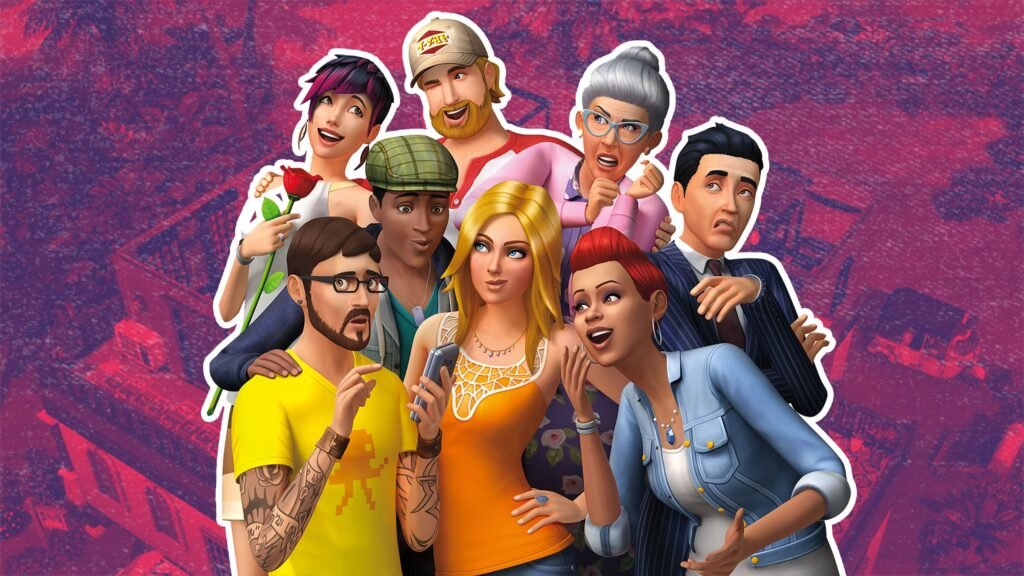
Modern gaming has become an expensive hobby. With microtransactions, downloadable content (DLC), and expansion packs driving up costs, players are spending more than ever to enjoy their favorite games. One of the clearest examples of this trend is The Sims 4, EA’s wildly popular life simulation game. While beloved by fans, it’s also become infamous for its aggressive monetization strategies.
As the franchise approaches its 25th anniversary on February 4th and The Sims 4 nears a full decade since release, fans are still voicing their frustrations. Persistent bugs, broken mechanics, and the game’s overwhelming reliance on paid DLC have left many players feeling exploited. Meanwhile, EA has announced a next-generation project, “Project Rene,” as well as a new mobile game for the franchise. But as excitement builds, so does skepticism over whether EA will truly prioritize quality over profits this time around.
Here’s a look at how The Sims 4 became a symbol of modern gaming’s issues, and why fans continue to stick with the game despite its flaws.
The History of The Sims 4 and EA’s Monetization Model
When The Sims 4 launched in 2014, it introduced smarter AI, enhanced customization, better building tools, and improved visuals. However, fans quickly noticed what was missing. Features from earlier games, like pools, toddlers, and open worlds, were absent. Bugs plagued the experience, leaving many players frustrated.
It wasn’t always supposed to be this way. Leaked development materials revealed that The Sims 4 was originally designed as a multiplayer game called The Sims Olympus. EA’s goal was to create an online gaming platform powered by remote servers, similar to their 2013 release, SimCity. But when SimCity launched, it became a disaster. Server failures left the game unplayable for many, sparking outrage from players who demanded offline PC games and refunds. Tens of thousands signed petitions to the FTC and White House, forcing EA to rethink its approach.
Scrapping The Sims Olympus left EA scrambling to rework the game into the single-player experience we now know as The Sims 4. But the rushed development resulted in an incomplete product. To make up for the missing features, EA released them later—at a price. Expansion packs became a way to fix the game while also boosting profits, setting the stage for the DLC controversy that’s persisted ever since.
Why Players Feel Exploited by EA’s DLC Strategy
Since launch, The Sims 4 has generated over $1,200 worth of DLC. Fans argue that EA’s pricing model locks essential gameplay behind paywalls, forcing them to buy numerous expansion packs to access features that feel like they should have been in the base game.
Here’s how EA’s monetization strategy has frustrated players:
- Core features hidden behind expansions: Want weather? You’ll need the Seasons pack. Pets? That’s Cats & Dogs. High school gameplay? That’s another add-on altogether.
- Smaller packs, higher costs: Earlier Sims games bundled major features into large expansions. Now, smaller packs like Stuff Packs and Kits fragment content, making players pay more for less.
- “Sales” that don’t save much: EA frequently discounts older DLC to encourage players to “complete their collection,” but even with sales, the total cost is steep.
- Inconsistent quality: Some DLC, like Journey to Batuu or My First Pet Stuff, has been widely criticized for offering little value, ignoring fan requests, and launching with bugs.
- Free updates that feel incomplete: EA occasionally offers free updates, but these often feel like teasers for additional paid content.
One of the biggest controversies came with Journey to Batuu, a Star Wars-themed Game Pack. After polling players on what they wanted—werewolves, horses, and other Sims 3 favorites were top requests—EA released Journey to Batuu instead. Fans saw it as a blatant attempt to capitalize on EA’s Disney licensing deal, further cementing the perception that EA prioritizes profits over community feedback.
A Game Plagued by Bugs, but Loved for Its Creativity
Despite spending hundreds (or thousands) of dollars on The Sims 4, players still face countless bugs. Sims often ignore commands, glitch through objects, or perform random actions. Even major DLC packs like My Wedding Stories have launched in unplayable states, with players unable to complete wedding ceremonies due to broken mechanics.
EA’s response to these issues has been slow, relying on modders to fix problems or taking weeks to release patches. Yet, many bugs remain unresolved even years later.
And still, fans stick around. Why? For all its flaws, The Sims 4 offers something unique: players can create, tell stories, and build worlds in a way few other games allow. The creative freedom and personal connection to Sims keep players coming back, even when the game feels incomplete.
What The Sims 4 Says About Modern Gaming
The Sims 4 is a prime example of how the gaming industry prioritizes monetization over quality. With an expensive DLC library, a buggy base game, and inconsistent content updates, it’s no wonder fans feel exploited. Yet, the enduring success of The Sims 4 shows how far companies can push their players before hitting a breaking point.
As the cost of gaming rises and corporate greed becomes harder to ignore, players are losing patience. EA and the industry at large must rethink how they treat their loyal fans. Otherwise, even the most dedicated players will eventually walk away.
Exploiting passion may work in the short term, but in the long run, it risks destroying the communities that make gaming great.

Alexia is the author at Research Snipers covering all technology news including Google, Apple, Android, Xiaomi, Huawei, Samsung News, and More.