The Ultimate Checklist for First-Time Mini Excavator Buyers
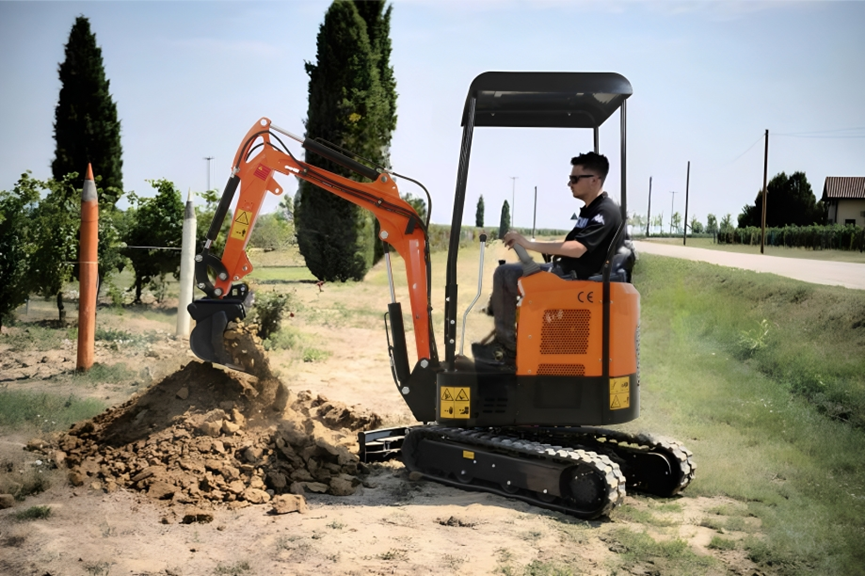
Buying your first mini excavator can feel overwhelming. With so many sizes, brands, and features available, it’s easy to get lost in the details. But with the right guidance, you can make a confident, informed decision that matches your needs, budget, and projects. Here’s the ultimate checklist to simplify your mini excavator buying journey.
Assess Your Needs
Before you even look at machines, think about what you actually need your mini excavator for. Are you planning landscaping projects, digging foundations, installing utility lines, or doing small-scale demolition?
Also consider your worksite: is it tight and difficult to access, or open and spacious? Mini excavators are excellent for small spaces, but knowing the terrain and site restrictions can help you pick the right size.
Finally, think about usage frequency. Will you use it occasionally for DIY projects, or will it be a daily workhorse for a small business? This will influence your choice between lighter-duty and more heavy-duty models.
Determine the Right Size & Weight
Mini excavators come in different classes:
- Sub-1 ton: Extremely compact, ideal for very tight spaces and small landscaping jobs.
- 1–3 tons: Most versatile size, suitable for small to medium projects.
- 3–6 tons: Handles heavier jobs like digging deeper foundations or moving larger amounts of material.
Remember, size affects maneuverability and transport. Larger machines may require trailers and special permits, while smaller models can fit on standard pickups.
Engine & Power Requirements
Engine choice is crucial for performance. Most mini excavators run on diesel, offering better torque and fuel efficiency, while gas engines can be quieter and easier to maintain in some cases.
Pay attention to horsepower and hydraulic flow, especially if you plan to use attachments like hammers or augers. More power ensures smoother operation for heavy tasks, but can also increase fuel costs.
Key Features to Look For
Modern mini excavators come with a variety of features that make your work easier and safer:
- Attachments Compatibility: Make sure the machine can handle the buckets, hammers, augers, or rakes you need.
- Cab Comfort: Open cabs are standard, but enclosed cabs with climate control are better for extreme weather. Good visibility and adjustable seating make long days easier.
- Controls & Ergonomics: Look for user-friendly joystick controls and clear monitor displays. A comfortable machine reduces fatigue and learning curves.
- Safety Features: Check for ROPS/FOPS protection, alarms, and emergency stops. Safety should always come first.
Consider Brand Reputation & Support
Buying a mini excavator is an investment. Stick with reputable brands that offer solid warranties, accessible dealer support, and readily available replacement parts. Reliable brands save time, money, and headaches down the road.
For first-time buyers, the AHM Mini Excavator is a great option. Known for its durability, easy maintenance, and strong dealer support, it’s ideal for both DIY projects and small business use. The price is very reasonable, and with Black Friday coming up, you can expect even more attractive deals—making now a good time to invest in a reliable machine.
New vs. Used Mini Excavators
New Machines: Come with full warranties, the latest features, and peace of mind, but at a higher price.
Used Machines: Can save money upfront, but require careful inspection. Look at engine hours, maintenance records, and check for wear on tracks, hydraulics, and attachments. Avoid buying without seeing the machine in operation.
Budgeting & Additional Costs
Remember, the purchase price is only part of the cost. Factor in:
- Transport or trailer fees
- Attachments and accessories
- Insurance and registration
- Regular maintenance
If financing is needed, check interest rates and repayment terms to make sure it fits your budget.
Drive & Inspection Checklist
Before buying, never skip a test drive. While testing:
- Listen for unusual engine sounds
- Check hydraulic performance
- Test all controls and safety features
- Inspect tracks, undercarriage, and attachments
A thorough inspection ensures you’re not getting any surprises after the purchase.
Conclusion
Buying a mini excavator for the first time doesn’t have to be stressful. By assessing your needs, understanding sizes and power, checking key features, and carefully inspecting the machine, you’ll make a purchase that serves you for years to come. Use this checklist as your guide, and you’ll feel confident selecting the perfect mini excavator for your projects.

Alexia is the author at Research Snipers covering all technology news including Google, Apple, Android, Xiaomi, Huawei, Samsung News, and More.