Titanium Bars: Advanced Material Driving Next-Generation Applications
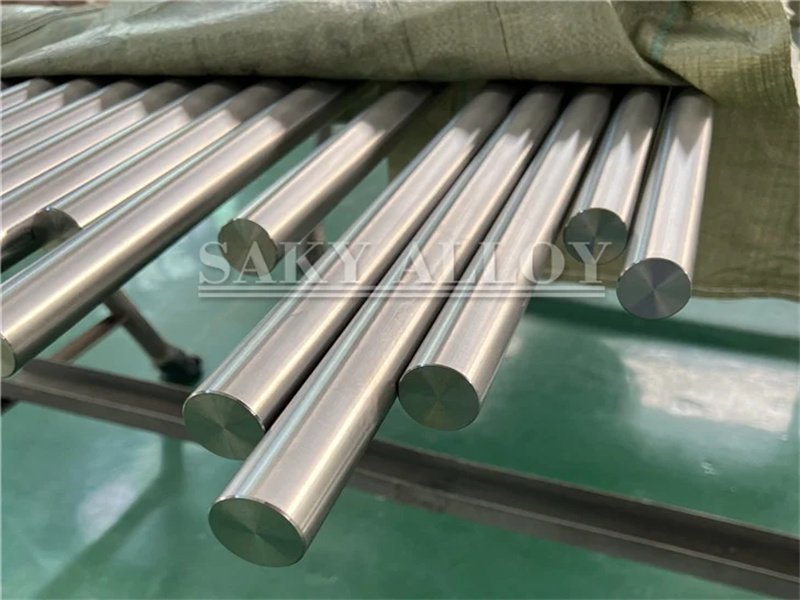
In recent decades, titanium has emerged as one of the most promising advanced materials, revolutionizing industries that demand both high performance and long-term reliability. Among its many forms, the titanium bar stands out for its excellent balance of strength, low density, and resistance to extreme environments. These unique properties have placed titanium bars at the forefront of technological innovations in aerospace, medical, energy, and marine applications.
Why Titanium Bars Are Classified as Advanced Materials
Titanium combines a lightweight structure with exceptional mechanical strength. Compared to traditional steel, titanium offers nearly the same tensile strength while being about 45% lighter. This strength-to-weight ratio is a game changer in fields like aerospace engineering, where every kilogram saved translates to significant improvements in efficiency and performance. Moreover, titanium bars are highly resistant to corrosion, even in aggressive environments such as seawater or chemical processing plants, making them indispensable in critical infrastructure projects.
Another feature that sets titanium apart is its outstanding biocompatibility. Unlike many other alloys, titanium does not react adversely with human tissue. This makes titanium bars a primary material for medical implants, surgical instruments, and orthopedic devices, driving progress in healthcare technology.
Applications Across High-Tech Industries
- Aerospace and Defense
Titanium bars are used in aircraft landing gear, engine components, and structural parts due to their ability to withstand high temperatures and stresses. Defense industries also value titanium for its combination of toughness and low radar signature. - Medical Sector
Titanium bars are machined into bone plates, joint replacements, and dental implants. Their compatibility with the human body ensures long service life and reduced rejection risks. - Energy and Power Generation
In nuclear plants and offshore oil rigs, titanium bars resist chloride-induced corrosion, ensuring system safety and reducing maintenance costs. With the shift toward renewable energy, titanium also plays a role in advanced hydrogen storage systems. - Marine and Industrial Applications
From ship propeller shafts to desalination equipment, titanium bars outperform conventional alloys by maintaining performance in salty or acidic conditions.
The Role of Trusted Suppliers
For industries that rely on consistent quality, choosing the right supplier is as critical as selecting the right material. Companies such as sakyalloy specialize in supplying premium-grade titanium bars that meet international standards. Their technical expertise and global reach ensure customers receive materials optimized for their applications.
In particular, products like the Grade 5 Titanium Bar (one of the most widely used titanium alloys) exemplify the synergy between material science and real-world performance. These bars provide unmatched durability in aerospace, medical, and marine environments, making them a top choice for forward-looking industries.
Looking Ahead
As technology advances, the demand for materials that combine lightweight strength, corrosion resistance, and biocompatibility will only continue to grow. Titanium bars are no longer niche components but essential building blocks for the future of engineering and innovation.
For manufacturers, engineers, and procurement specialists, investing in titanium materials today means staying ahead in tomorrow’s competitive landscape. With reliable partners like sakyalloy, the opportunities to innovate are virtually limitless.

Alexia is the author at Research Snipers covering all technology news including Google, Apple, Android, Xiaomi, Huawei, Samsung News, and More.