Top 7 Skills You Can Gain From Nursing Student Internships

Nursing school covers a lot of ground, from anatomy and pharmacology to patient care techniques. But even with all that classroom learning, there’s something about stepping into a real healthcare environment that changes everything. That’s where internships come in. They bridge the gap between theory and practice, giving students a hands-on look at what it really means to be a nurse.
Let’s take a closer look at some of the most valuable skills nursing students like you can build through internships.
1. Clinical Competence
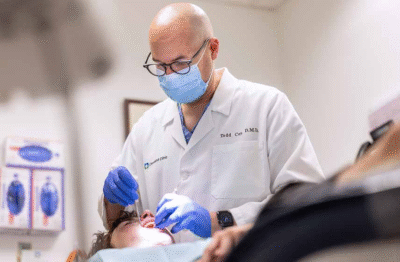
One of the first things that starts to click during an internship is the actual hands-on care. Giving injections, checking vital signs, changing dressings—these are all tasks you might have practiced in labs. However, doing them on real patients, under supervision, adds a different level of responsibility.
Over time, what once felt nerve-wracking becomes more routine. You become quicker with techniques, more confident with assessments, and more aware of how even small decisions can affect a patient’s care.
Being in the clinical environment daily also teaches you how to adjust to different situations. Some shifts might be quiet and steady, others completely unpredictable. That kind of variety keeps them learning.
If you’re looking for a solid training ground, nursing internships abroad might be the perfect fit. Getting clinical experience outside your home country offers a whole different kind of learning. It pushes you to think fast, adapt, and grow in ways you might not expect.
2. Critical Thinking
Clinical decisions often need to be made quickly, and internships give nursing students the opportunity to think on their feet. During the program, you gradually learn to weigh options and consider outcomes under pressure. You get to observe how nurses assess patients, decide on interventions, and modify care plans as conditions change.
But critical thinking doesn’t just show up in emergencies. It’s also used in more routine tasks, like:
- Determining the best way to comfort a patient
- Catching a slight inconsistency in a medication chart
- Identifying early signs of a complication
These experiences build sharper reasoning skills that are essential in nursing practice.
3. Communication Skills
Good communication is at the heart of any career, and nursing is no different. During internships, you talk to patients, family members, nurses, and doctors—each conversation a little different from the last. Figuring out how to explain something clearly to someone in pain is one kind of challenge. Reporting a change in a patient’s condition to a busy physician is another.
These experiences can help students like you find their voice. You learn to listen carefully, respond thoughtfully, and stay calm even when pressure hits. With time, your body language and tone become more aligned with what patients need, whether that’s reassurance, guidance, or just someone to talk to.
4. Time Management and Organizational Abilities
Ask any nurse, and they’ll probably tell you that managing time is one of the trickiest parts of the job. Interns get to experience this reality, especially during busy shifts. There’s always something that needs attention—medications to give, patients to check on, charts to update.
At first, it can feel like there’s never enough time. But eventually, you get to figure out how to prioritize. You learn to focus on what needs to happen right away, what can wait, and how to stay organized even when plans change. These time management habits stick with you and become essential once you work independently.
5. Emotional Intelligence and Patient Care Skills
Nursing involves more than treating physical symptoms. You’ll see patients bring their worries, frustrations, and hopes along with their medical needs. Responding to those emotions while staying aware of one’s own takes time and practice.

Some days are uplifting, while others can be emotionally heavy. Being present during those highs and lows helps you stay centered, offer empathy without losing focus, and respond with sincere and appropriate compassion. These moments can shape your ability to connect with patients on a deeper level while staying composed.
6. Professionalism
Professionalism in nursing goes far beyond showing up on time and wearing a uniform. It’s about how you carry yourself, treat others, and take your responsibilities seriously. As an intern, you see this firsthand every day.
For one, you watch how experienced nurses handle difficult conversations, follow ethical standards, and take ownership of their actions. These examples set the tone for what’s expected in the profession. Over time, you start to adopt these habits yourself, gaining a better sense of what it means to be dependable and respectful in a healthcare setting.
7. Collaboration Skills and Teamwork
Healthcare is rarely a solo effort. During internships, students often work within a larger team that may include doctors, therapists, social workers, and other nurses. These collaborations highlight the importance of coordination, shared goals, and mutual respect. Simply put, this training offers a front-row seat to this kind of teamwork.
You begin to see how information is passed along, how decisions are made collectively, and how different roles support one another. You also get a feel for where you fit into that bigger picture. This exposure prepares you to be better team players when transitioning into full-time roles.
Final Thoughts
Internships can be challenging at times. But they’re where future nurses start to fully understand what the job demands and what they can handle. The skills you gained during this phase don’t disappear after the internship ends. They become the foundation for a career rooted in care, professionalism, and resilience. And these are the building blocks of a strong nursing journey.

Alexia is the author at Research Snipers covering all technology news including Google, Apple, Android, Xiaomi, Huawei, Samsung News, and More.