Understanding the Filter Integrity Tester: A Detailed Guide
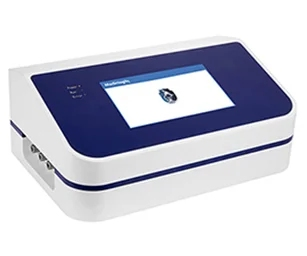
In pharmaceutical, biotechnology, and high-purity industrial settings, filter performance directly affects product quality and process safety. A filter integrity tester holds a key position in checking if sterilizing-grade and critical process filters keep their structure and function reliable. Knowing its basic ideas and uses is vital for meeting rules and keeping steady work control.
What is a Filter Integrity Tester and Why is it Important?
Making sure your filtration system runs at its best is very important in fields where stopping contamination decides product quality. A filter integrity tester is a main tool that aids you in checking that your filters work as planned, without any leaks or breaks in structure.
The Purpose and Functionality of Filter Integrity Testing
Filter integrity testing makes sure that filters can hold back particles and tiny germs well, which keeps your process safe and clean. It is a must in making drugs, biotech work, food handling, and small electronics. When you use a filter integrity tester, you can spot any problem or flaw before it harms the final batch of product.
Look over the user manual, technical details, setup plans, and calibration papers for the filter integrity tester to confirm they are all there. The user manual needs to give clear steps for use, safety tips, and ways to fix issues. Technical details explain how the tool works, like the range for filter hole sizes, pressure levels for tests, and how exact it must be. Setup plans assist in placing the gear right in your work area. Calibration papers are key to making sure the tool’s readings are true. These papers help every test match check settings for sure outcomes.
Key Components of a Filter Integrity Tester
A good filter integrity tester has several main parts: pressure sensors that watch applied pressure levels with care, flow meters that check gas or liquid flow through the filter, and a control unit that handles data gathering and review.
Check the actual setup of the filter integrity tester. Make sure all parts, like the test head, pressure sensors, tube links, and valves are set up right and fixed tight. The tubes must be without leaks or bends. These points help get true readings in tests such as pressure drop or bubble point check.
How Do You Perform a Filter Integrity Test?
Before you do any test, it is very important to get your gear and space ready with care to stop mistakes that might harm your results.
Steps Involved in Conducting an Integrity Test
Doing a filter integrity test means four main parts: getting ready, setting the scale, carrying out, and looking over.
lPreparation—Put together your gear as the maker says. Make sure links are firm and without leaks.
lCalibration – Check that your tester hits work standards with proven sample filters.
lExecution—Do tests like bubble point or flow spread in set conditions.
lAnalysis – Match results to set okay limits.
Use normal filters with known good traits to check how the filter integrity tester works. This makes sure your tool stays in good exact ranges before you test real work filters.
Common Challenges and How to Overcome Them
Problems often come from scale shifts or hard times reading close results.
Check the repeatability of the filter integrity tester by doing many tests on one filter in the same setup. The same results show good scale and worker trust.
Plus, teaching workers one set of ways cuts changes between tests done by different people.
How Does MedIntegrity Enhance Your Testing Process?
Exact testing needs not just solid tools but also smart plans that make use easy while keeping to rules.
Introducing MedIntegrity’s Advanced Solutions
MedIntegrity gives smart auto systems made just for hard filter check settings. Their tools mix keen sensors with easy digital screens that lead you through each part—from start to report making—cutting hand errors a lot.
These systems join well into current process watch nets for live watching and tracking. With parts like auto-scale checks and changeable report forms, MedIntegrity tools help you keep to rules with no effort while lifting work speed over many product lines.
If you are checking clean filters in drug making or making sure there are no bits in fluids for food work, MedIntegrity brings well-made tools for steady exactness in tough work conditions.
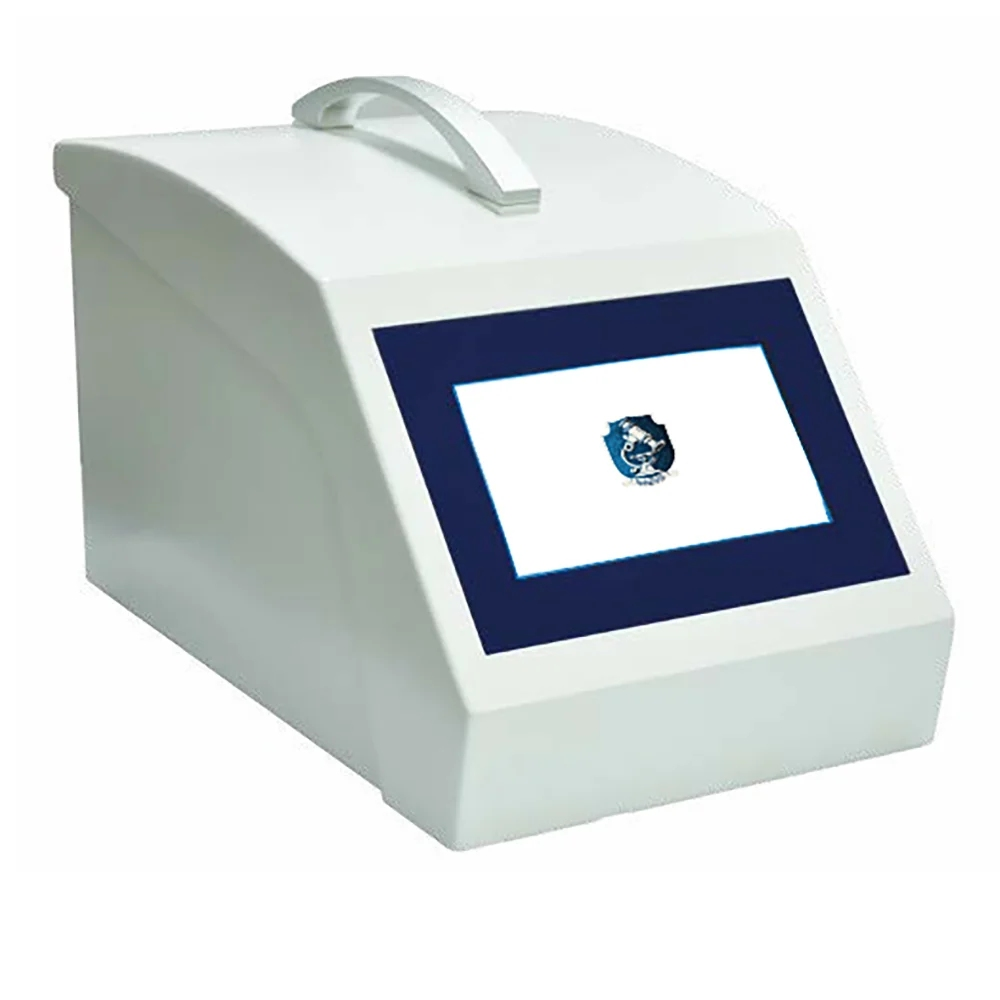
Benefits of Using MedIntegrity Products
Using MedIntegrity products lets you see clear gains: less stop time from quicker start times, more trust in data tracking from built-in check paths, and a better match to world standards like ISO 13485 or FDA 21 CFR Part 11 needs. Their easy-to-hold shape lets tech workers run well even in set spaces where fast tests matter.
What Are the Industry Standards for Filter Integrity Testing?
Rule groups have set firm guides on how to do filter integrity tests to keep safety and sameness in fields.
Overview of Relevant Regulations and Guidelines
Groups like ISO and FDA set ways for checking clean filter steps. These rules name okay test ways—such as bubble point or flow spread—and fix work limits based on product risk types.
Matching these plans makes sure your filter systems hit world quality checks.
Ensuring Compliance with Industry Standards
To keep matching, you need to check each tool’s scale state often with proven sample filters.
Test the filter integrity tester with varied filter types, adding different stuff, hole sizes, and setups. This shows it fits many uses while keeping steady trust marks needed for rule checks.
How Can You Optimize Your Filter Integrity Testing Process?
Getting better means faster turn times without losing exactness—a mix made real through new tech and step care.
Tips for Improving Testing Efficiency
Regular care keeps steady work over time; even small leaks can twist readings much if not fixed. Plan set checks as the maker suggests to find wear soon. Teaching staff fully in both gear use and data reading boosts sameness over work times or places.
Using smart auto tools from givers like MedIntegrity lets you group watch over many testers at once—cutting hours per check round while keeping even paper quality.
The Role of Technology in Streamlining Testing Procedures
New testers now have digital link choices that let them join with lab info handling systems. Auto result notes stop copy errors while letting trends look over past data sets for best guess care plans.
By taking new soft-run answers able to give live check reports—like those made by MedIntegrity—you get useful views into system well-being before shifts hit work plans.
FAQ
Q: What is the difference between pressure decay and bubble point tests?
A: Pressure decay looks at how much pressure falls over time from possible leaks; bubble point checks when air begins going through a wet film—showing max hole size steadiness in a set range.
Q: How often should I perform filter integrity tests?
A: Often after each filter round or batch step based on rule guides, this rate keeps an ongoing check of clean wall work all through tasks.
Q: Can I use any filter integrity tester for my operations?
A: Pick a tool that meets known field standards with the exact right specs for your task kind; fitting with current process setups makes smooth joining without high-cost changes.

Alexia is the author at Research Snipers covering all technology news including Google, Apple, Android, Xiaomi, Huawei, Samsung News, and More.