Varicose Vein Treatment Made Simple and Effective
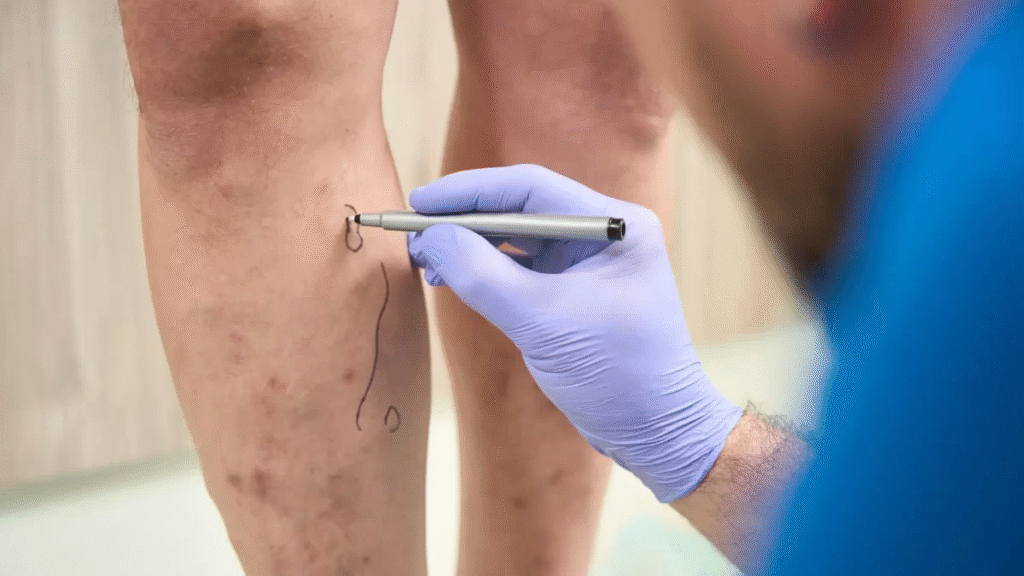
At some point, many of us have noticed those blue or purple veins that seem to appear out of nowhere. These varicose veins don’t just affect our appearance—they can also cause discomfort and even signal underlying health issues. By understanding what causes them and exploring the treatments available, we can make informed decisions that support both our health and confidence.
Today, a variety of effective solutions exist to help manage varicose veins, from lifestyle adjustments to advanced medical procedures. Seeking guidance from a Fairfield vein doctor can provide the personalized care and expertise needed to determine the best approach for our unique situation.
In this text, we’ll jump into the essentials of varicose vein treatment, offering clear, practical options to ease symptoms, improve circulation, and help prevent recurrence. Together, we’ll explore how to take proactive steps toward healthier, more comfortable legs.
Understanding Varicose Veins
What Are Varicose Veins?
Varicose veins are enlarged, twisted veins that often appear blue or dark purple. They most commonly develop in the legs, where the pressure from standing or walking for extended periods can hinder normal blood flow. The veins have valves that help keep blood flowing toward the heart, but when these valves weaken, blood can collect in the vein, causing it to enlarge.
Common Symptoms and Causes
While many people associate varicose veins with cosmetic concerns, they often come with a range of symptoms. Common symptoms include:
- Aching or heaviness in the legs
- Swelling in the lower legs
- Discomfort after standing for long periods
- Itching or burning sensation around the veins
Several factors contribute to the development of varicose veins, including genetics, age, pregnancy, obesity, and prolonged periods of standing or sitting. Understanding the symptoms and causes is crucial for recognizing when treatment might be beneficial.
Importance of Treatment
Ignoring varicose veins can lead to more severe complications such as venous ulcers, blood clots, and chronic pain. So, seeking treatment not only enhances our aesthetic appearance but also protects our overall health. Treating varicose veins can improve our quality of life by reducing discomfort and preventing potential complications. We often hear our patients express relief once they have undergone treatment, it’s truly transformative both physically and emotionally.
Treatment Options for Varicose Veins
Non-Invasive Treatments
For many, non-invasive treatments can be effective in managing varicose veins. These include lifestyle changes and preventative measures, such as incorporating regular exercise and elevating the legs. Also, over-the-counter pain relievers can alleviate discomfort.
Minimally Invasive Procedures
When non-invasive measures aren’t sufficient, minimally invasive options exist. One popular method is sclerotherapy, where a solution is injected into the vein, causing it to collapse and fade over time. Another option is endovenous laser treatment (EVLT), which uses heat to close off the varicose veins. Both procedures have shown high success rates with minimal downtime, allowing us to return to our regular activities quickly.
Lifestyle Changes for Prevention and Management
Diet and Exercise Recommendations
A balanced diet and regular exercise can play pivotal roles in managing varicose veins and preventing their recurrence. We recommend:
- Engaging in at least 30 minutes of moderate exercise, such as walking or swimming, most days of the week.
- Consuming a diet rich in fiber and low in salt to help reduce swelling.
- Staying hydrated to promote overall circulation.
Home Remedies and Compression Therapy
Plus to lifestyle modifications, we can use home remedies such as warm baths and essential oils to soothe symptoms. Compression stockings are another essential preventive measure, providing support to the leg muscles and improving circulation, eventually preventing future issues.
When to Consult a Specialist
If you notice persistent symptoms such as pain, swelling, or changes in skin color around your veins, it’s prudent to consult a specialist. Early intervention can prevent complications and provide us with the best options for managing varicose veins. Specialists can offer personalized insights based on our health history and the severity of our condition.
Conclusion
Understanding varicose veins and available treatment options simplifies the journey toward relief and management. With a combination of professional treatments, lifestyle changes, and preventive measures, we can effectively tackle varicose veins and enhance our quality of life. If you or someone you know is struggling with varicose veins, don’t hesitate to explore these options and speak to a healthcare provider about the most suitable path forward.

Alexia is the author at Research Snipers covering all technology news including Google, Apple, Android, Xiaomi, Huawei, Samsung News, and More.