What You Need to Know About Visual Analytics Tools
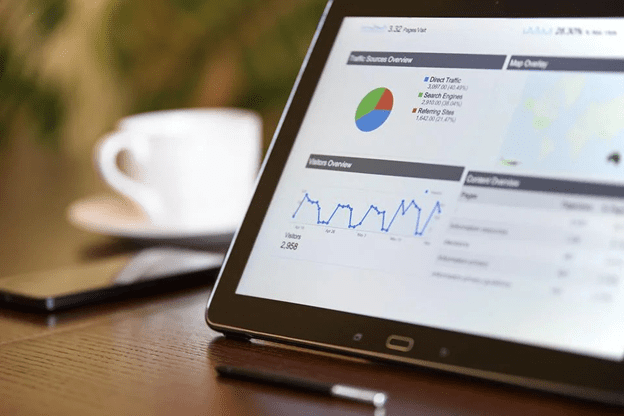
Visual analytics generates a significant amount of data simultaneously. Businesses worldwide collect a substantial amount of data. It is challenging to comprehend this raw data. This is where traditional spreadsheets typically fall short. They struggle to understand complex patterns and connections. Visual analytics is a handy tool. It blends interactive analysis with data visualization. This method converts complex data into actionable information. Patterns, trends, and exceptions are all readily apparent. This article examines several key tools for visual analytics. Read on to discover how these systems simplify data comprehension. Learn why, in the data-driven world of today, they are essential.
Getting to Know Visual Analytics
Visual analytics is a strong area that crosses several disciplines. It mixes data analytics with interactive data visualization. The idea is to make analytical thinking easier. Users view complicated datasets visually. This method is different from charts or graphs that don’t move. It lets you change how data displays look on the fly. Visuals enable analysts to raise questions immediately. They sort, filter, and dig deeper into information. It’s easy to see patterns and outliers. This method is effective in revealing hidden insights. Visual analytics helps people make decisions directly. Tools turn data that isn’t very clear into pictures that make sense. Users can quickly get an understanding of the data. The method allows for repeated exploration of the material. It does more than just report. Visual analytics provides a comprehensive view of your data. It helps swiftly check hypotheses. It empowers people of all ability levels, and essential to understand these basic ideas.
Essential Features of Modern Tools
Modern visual analytics solutions possess several key characteristics. Interactive dashboards are what make them work. These interfaces can be customized to display key metrics. It’s easier to work with info when you can drag and drop items. This allows people who aren’t tech-savvy to provide evaluations. It is essential to be able to connect to many different information sources. Files, the cloud, and databases can all be linked to tools. Much like online gambling platforms that handle vast amounts of real-time user data, modern visual analytics tools manage complex data streams effortlessly. With more advanced charting choices, it’s easy to see how complicated connections work. With geospatial maps, you can view information based on its location. These maps quickly display geographic trends. Built-in statistical functions help with further in-depth examination. Users can perform regressions or correlations immediately. Team members may share their ideas thanks to collaboration tools. It’s easy for them to leave comments on analyses or dashboards. Exporting options make it easier to create reports. Data tales help people understand analytical storytelling. All of these elements work together to provide consumers more control. They turn raw data into clear, helpful information.
Popular Visual Analytics Platforms
There are a few systems that are popular in the field of visual analytics. People know Tableau for its easy-to-use interface. It has strong drag-and-drop features. Tableau works well with practically any data source. You can customize many aspects of its interactive dashboards. It excels in self-service business intelligence. Power BI offers robust tools for data modeling. It allows people to create reports that they can engage with. Qlik Sense focuses on exploring data that is related to each other. It’s easy for users to find hidden links in their data. It lets you process data in memory very quickly. This enables the quick analysis of large datasets. Looker (now Google Cloud Looker) is another essential tool. Looker is all about data modeling and analytics that are built in. Domo provides a comprehensive view of your business. It brings together dashboards, data integration, and visualization. Each platform has its strengths. The correct tool depends on what you require.
How to Make Use of It Well
It is essential to follow best practices. Understand precisely what insights you seek from facts. Pick the right images for the data you have. Do not overload screens with excessive information. Things are more transparent and easier to understand when they are simple. Use the same colors for all categories. Give users interactive filters to explore. Give people the power to change how they see their data. Check your data sources regularly to ensure they are accurate. Outdated data gives you false insights. Teach people how to utilize the tools and interpret the data. Ask end users for feedback on dashboards. Keep improving and changing your visualizations. These techniques maximize the value gained. They transform data into actionable intelligence that can be applied immediately.

Alexia is the author at Research Snipers covering all technology news including Google, Apple, Android, Xiaomi, Huawei, Samsung News, and More.