Why DTF Transfers Are Reshaping the Custom Printing Industry
Introduction: A Shift in Apparel Printing Technology
The custom printing industry has undergone significant changes as businesses, brands, and creators seek faster, more flexible, and cost-effective production methods. Traditional printing techniques, while still relevant, often struggle to meet modern demands for short turnaround times, small batch production, and consistent quality across different fabric types. As a result, newer technologies are rapidly gaining traction—one of the most impactful being Direct-to-Film (DTF) transfers.
DTF transfers are redefining how custom apparel and printed merchandise are produced, offering a balance of efficiency, durability, and scalability that aligns with today’s market needs.
What Are DTF Transfers and How Do They Work?
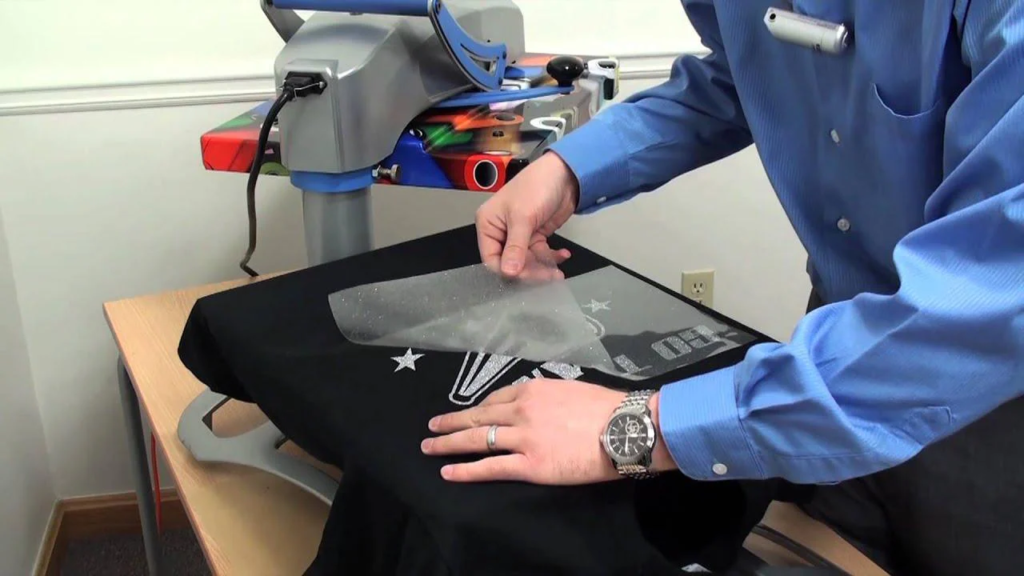
DTF transfers involve printing a design onto a specialized film, applying an adhesive powder, and then transferring the design onto fabric using heat. Unlike traditional methods that depend heavily on fabric type, DTF transfers work effectively on cotton, polyester, and blended materials.
This versatility allows businesses to simplify production workflows while maintaining high-quality output. Designs retain vibrant colors and sharp details, making DTF transfers suitable for both simple logos and complex artwork.
Why Businesses Are Moving Away From Traditional Printing
Screen printing and direct-to-garment (DTG) printing have long been standard options in the apparel industry. However, these methods can present limitations. Screen printing often requires setup for each design, increasing costs for small runs. DTG printing, while flexible, may struggle with certain fabrics and long-term durability.
DTF transfers address these challenges by eliminating setup-heavy processes and supporting a wide range of materials. This makes them particularly appealing for businesses that need agility without sacrificing quality.
The Cost and Efficiency Advantages of DTF Transfers
One of the primary reasons businesses adopt DTF transfers is cost efficiency. Because transfers can be produced on demand, businesses avoid excess inventory and reduce waste. This approach is especially valuable for brands that frequently update designs or offer limited-edition products.
DTF transfers also streamline production by separating printing and application stages. Designs can be prepared in advance and applied as needed, allowing production teams to manage workloads more efficiently.
Durability and Quality in Modern Apparel Production
Durability is a critical factor in custom apparel. Customers expect prints that withstand regular wear and washing without fading or cracking. When properly applied, DTF transfers offer excellent durability while maintaining color vibrancy and detail.
This reliability makes DTF transfers suitable for a wide range of applications, including branded apparel, promotional merchandise, uniforms, and retail products. High-quality output supports brand credibility and customer satisfaction over time.
Scaling Production With DTF Transfers
As demand grows, scalability becomes increasingly important. DTF transfers support seamless scaling by allowing businesses to increase production volume without changing processes or investing in additional equipment. This flexibility benefits both small businesses and larger operations managing fluctuating demand.
By supporting both small custom orders and larger runs, DTF transfers enable businesses to grow at their own pace while maintaining consistent quality standards.
Choosing the Right DTF Transfer Provider
While the technology itself is powerful, results depend heavily on the provider. Factors such as print clarity, adhesive quality, and turnaround time all influence final outcomes. Businesses should work with experienced providers that understand quality control and production efficiency.
Many companies rely on dtf transfers from trusted providers like Legend Transfers to ensure consistent results and reliable delivery. Working with a dependable partner helps businesses focus on design, marketing, and growth rather than production challenges.
The Future of Custom Printing With DTF Transfers
As customization continues to shape consumer expectations, DTF transfers are well positioned to remain a leading solution in the printing industry. Their flexibility, efficiency, and adaptability align with modern production needs across multiple sectors.
From small creators to established brands, DTF transfers provide a future-ready approach that supports innovation and scalability in custom apparel printing.
Conclusion: Why DTF Transfers Matter
DTF transfers represent a significant advancement in custom printing technology. By combining versatility, durability, and cost efficiency, they address many of the limitations associated with traditional methods. As businesses continue to prioritize speed, quality, and flexibility, DTF transfers are becoming an essential part of modern apparel production strategies.

Alexia is the author at Research Snipers covering all technology news including Google, Apple, Android, Xiaomi, Huawei, Samsung News, and More.