Why Education Is Becoming the Most Valuable Asset in the Crypto Economy
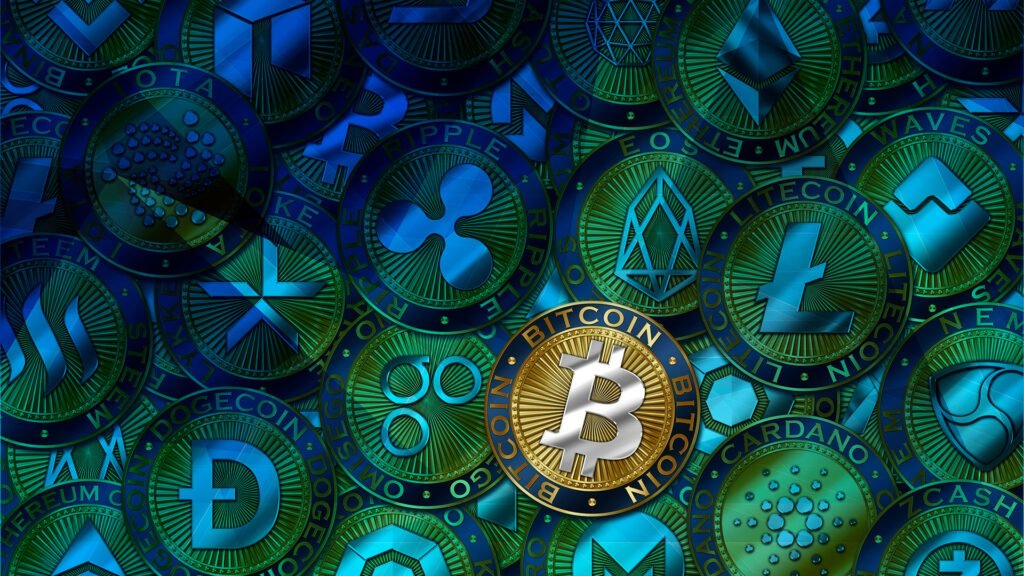
In the early days of crypto, speed often mattered more than understanding. Early adopters were rewarded simply for showing up, experimenting, and tolerating risk. That era is largely over. Today’s crypto economy is bigger, more complex, more regulated, and far less forgiving of mistakes. In this environment, education is no longer optional—it is becoming the most valuable asset a participant can hold.
As digital assets move closer to the financial mainstream, the gap between informed participants and uninformed ones is widening. Those who invest time in learning are better equipped to navigate volatility, avoid common pitfalls, and identify genuine opportunities. Those who don’t are increasingly exposed to risk, confusion, and costly errors.
Education as Risk Management
One of the most practical benefits of crypto education is improved risk awareness. Many of the industry’s most visible failures have not been caused by obscure technical flaws, but by misunderstandings of basic concepts.
Understanding What You Actually Own
Tokens can represent many things: governance rights, utility access, yield claims, or speculative instruments with no underlying function. Without education, these distinctions blur, leading to unrealistic expectations and mispriced risk.
Educated participants are more likely to ask critical questions:
- How is value generated in this protocol?
- What assumptions does the model rely on?
- Where are the points of centralisation or failure?
This mindset doesn’t eliminate risk, but it makes risk visible—and visibility is the first step toward managing it.
Security Starts With Knowledge
Security breaches, phishing attacks, and wallet compromises remain common. While technology can reduce exposure, many losses still stem from user error. Understanding basic principles such as private key management, transaction finality, and smart contract permissions dramatically lowers the likelihood of irreversible mistakes.
In crypto, education is often the most effective form of insurance.
Markets Reward Understanding Over Hype
As the crypto economy matures, easy gains driven purely by hype are becoming rarer. Markets are increasingly differentiating between projects with substance and those driven by narratives alone.
Interpreting Information Critically
Crypto markets move quickly, and information travels even faster. Social media, forums, and messaging platforms are filled with opinions presented as facts. Education helps participants evaluate information rather than absorb it uncritically.
This includes understanding:
- The difference between correlation and causation
- Why short-term price movements rarely reflect long-term fundamentals
- How incentives shape behaviour within protocols
These analytical skills are transferable across market cycles, making education a compounding asset rather than a one-time advantage.
Aligning Strategy With Knowledge
An informed participant is better able to choose strategies that match their understanding and risk tolerance. Some may focus on long-term infrastructure plays, others on governance participation, and others on tactical trading—but each approach benefits from a solid educational foundation.
Builders, Users, and the Shared Language of Education
Education doesn’t only benefit investors. It is increasingly central to the health of the entire crypto ecosystem.
Better Users Create Better Systems
Protocols with educated users tend to evolve more effectively. In governance-driven ecosystems, informed voters make more thoughtful decisions. In decentralised finance, users who understand risk contribute to more stable liquidity dynamics.
This creates a feedback loop: better education leads to better participation, which leads to stronger systems.
Lowering Barriers Without Lowering Standards
One of crypto’s long-standing goals is accessibility. However, accessibility does not mean oversimplification. Education bridges this gap by making complex systems understandable without hiding their risks.
High-quality crypto education empowers newcomers to participate responsibly rather than encouraging blind experimentation.
Regulation Is Raising the Knowledge Bar
Regulatory scrutiny is increasing across jurisdictions, and with it comes greater emphasis on transparency, disclosures, and compliance. While regulation varies globally, the overall trend is clear: participants are expected to understand what they are engaging with.
This shift places a premium on education. Understanding regulatory context, custody models, and legal responsibilities is becoming part of participating responsibly in the crypto economy.
Institutions entering the space bring similar expectations. Professional investors, custodians, and service providers operate on the assumption that knowledge is foundational, not optional.
Education as a Long-Term Competitive Advantage
Unlike tokens or platforms, education cannot be diluted, forked, or rugged. It travels with the individual across protocols, cycles, and even technological shifts.
Adaptability Across Market Cycles
Crypto moves in cycles, but the underlying technology continues to evolve. Participants who rely solely on a single narrative or strategy often struggle when conditions change. Those with strong foundational knowledge adapt more easily, applying principles to new tools and environments.
This adaptability is why crypto education is increasingly viewed as a durable asset rather than a temporary edge.
Community and Shared Learning
Much of crypto education happens socially. Open-source documentation, community discussions, developer forums, and peer-led learning all play a role. Engaging with a thoughtful crypto education ecosystem accelerates understanding and exposes participants to diverse perspectives.
This shared learning culture is one of crypto’s most enduring strengths.
Conclusion
In a digital economy defined by constant change, education stands out as one of the few assets that grows more valuable over time. It reduces risk, improves decision-making, and enables meaningful participation beyond speculation.
As crypto continues to mature, those who invest in understanding will be better positioned to navigate volatility, assess innovation realistically, and contribute to the ecosystem in constructive ways. Prices will rise and fall, platforms will come and go—but education endures.
In the crypto economy of today and tomorrow, knowledge is not just power. It is resilience, agency, and the most reliable store of value available.

Alexia is the author at Research Snipers covering all technology news including Google, Apple, Android, Xiaomi, Huawei, Samsung News, and More.











1 thought on “Why Education Is Becoming the Most Valuable Asset in the Crypto Economy”