Balancing Upper-to-Lower Lip Ratios with Fillers
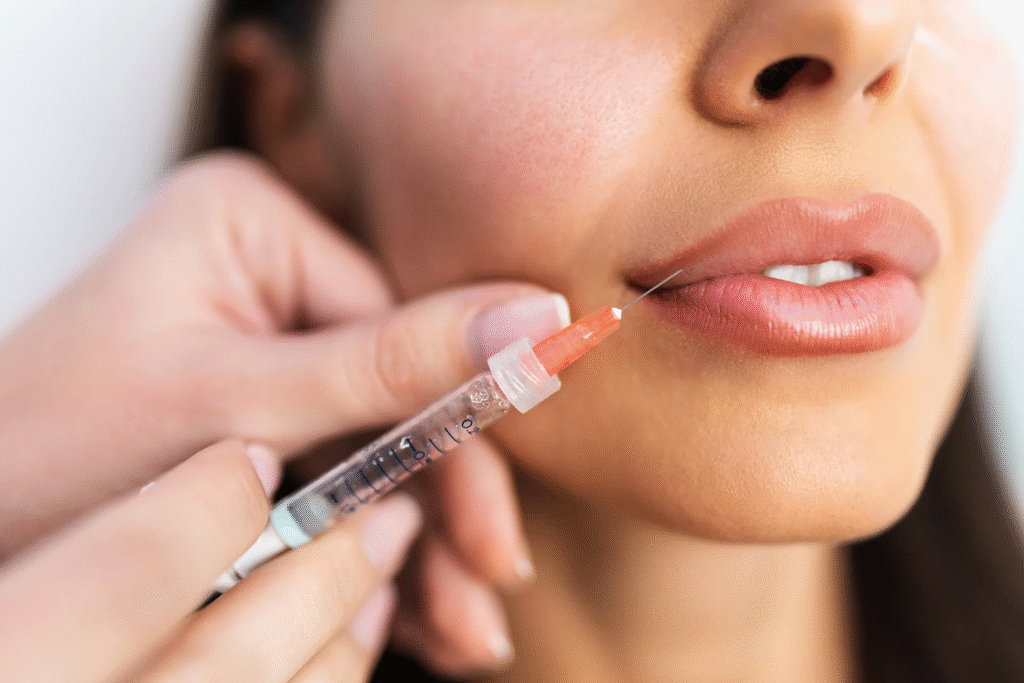
The quest for aesthetic perfection is often a pursuit of balance and proportionality, notably so in facial aesthetics. Among the various features of the face, the lips play a vital role in conveying expressions and contributing to the overall harmony of one’s appearance. An increasing number of individuals are turning to cosmetic interventions to achieve the desired symmetry and balance, with lip fillers being a prominent solution for adjusting the proportions between the upper and lower lip.
Understanding Ideal Lip Proportions
The concept of ideal lip proportions is rooted in a blend of scientific studies and societal standards of beauty. Typically, a well-balanced face features a lower lip that is about 1.6 times the height of the upper lip. This ratio is often referred to as the ‘Golden Ratio’ and is thought to be aesthetically pleasing across various cultural landscapes. However, perfection is subjective, and the awareness of unique beauty and personal preference is growing.
The Role of Fillers in Lip Aesthetics
Fillers, specifically dermal fillers designed for the lips, provide a non-surgical method for adjusting lip volume and shape. These products contain substances such as hyaluronic acid, which can imbue the lips with a natural fullness while maintaining a soft and flexible feel. Through careful application, practitioners can enhance the lips, striving for an optimal relationship between the upper and lower lip, whilst respecting each individual’s distinct facial structure and objectives.
Assessing Lip Proportions
Prior to any lip augmentation procedure, a detailed assessment is crucial. This involves examining the current lip size, shape, and symmetry in relation to other facial features. Medical professionals may utilise a range of techniques, such as digital imaging or direct measurements, to understand the nuances of each case. This initial assessment informs the customised approach necessary to achieve proportions that both meet the Golden Ratio and align with the client’s expectations.
Individualised Treatment Plans
No two pairs of lips are identical, necessitating tailored treatment plans for each individual. Ideally, a balance is sought that not only achieves a pleasing ratio but also respects the natural anatomy and movement of the lips. This means taking into account factors such as the client’s facial dynamics, age, and skin quality. A skilled practitioner understands that a uniform protocol is less efficacious than a personalised approach.
Techniques for Lip Filler Application
Application techniques can vary widely among practitioners, but the overarching goal remains the same – to augment the lips in a fashion that enhances one’s natural beauty. Common techniques include the linear threading method, where fillers are injected along the lip border, and the fanning technique, where fillers are injected at multiple angles to provide a more widespread enhancement.
Maintaining Natural Movement and Feel
An important consideration when using fillers is the maintenance of the natural movement and feel of the lips. This means avoiding overfilling, which can lead to stiffness, and choosing the right type of filler, which can provide softness and pliability. The artistry in this procedure lies in achieving a balance between adding volume and preserving the lips’ functionality.
Correcting Proportional Imbalances
Some individuals may have natural or age-related imbalances between their upper and lower lips. In such cases, lip fillers can be strategically injected to correct these disproportions. For example, an upper lip that is significantly thinner than the lower lip can be selectively augmented to harmonise the overall facial balance.
Post-Treatment Considerations
Following lip filler treatment, patients should be aware of aftercare instructions to maximise results and minimise complications. Swelling and mild discomfort may be expected, but these symptoms typically subside within a few days. Adhering to post-treatment guidance is crucial for achieving the desired outcome and can influence the longevity of the fillers.
Measuring Success and Patient Satisfaction
The success of lip filler treatments is measured not just by achieving specific proportions but also by patient satisfaction. After all, the true value lies in the individual’s perception of their enhanced appearance and the confidence it brings. Regular follow-up appointments can ensure that any adjustments, if needed, are made in a timely fashion to maintain the desired lip appearance.
Lip Fillers as a Trend
In recent years, there has been a notable increase in the popularity of lip enhancements, often influenced by media and celebrities. While trends come and go, the importance of seeking qualified practitioners for lip fillers remains paramount to ensure safety and efficacy.
Final Thoughts
Ultimately, the use of fillers to balance the upper-to-lower lip ratios is a testament to the advancements in cosmetic procedures that allow for subtle, yet impactful, enhancements to one’s appearance. With meticulous care, a deep understanding of facial aesthetics, and the use of high-quality fillers, practitioners can help clients achieve the harmony and beauty they desire in their facial features, one smile at a time.
In conclusion, personalised care and an artistic touch are foundational to achieving the best outcomes with lip fillers. As this field continues to evolve, so too will the techniques and products, offering even more avenues for individuals to feel confident and content in their skin. Whether it’s through slight alterations to fit the Golden Ratio or adjustments for personal preference, the goal remains the same: to create balance and enhance natural beauty.

Alexia is the author at Research Snipers covering all technology news including Google, Apple, Android, Xiaomi, Huawei, Samsung News, and More.