Shoplifting: AI detection causes flood of false accusations
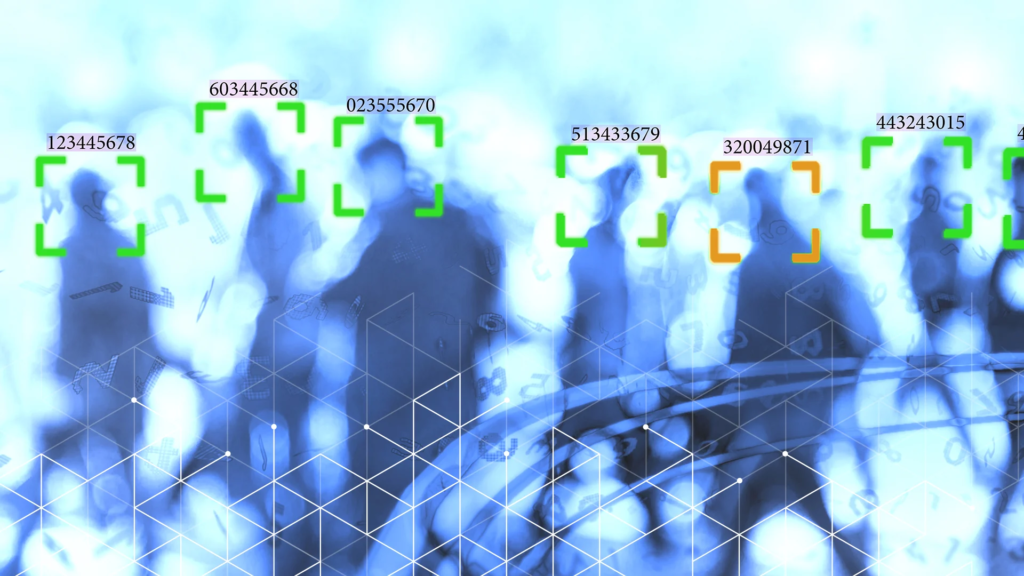
Facial recognition systems are supposed to protect British supermarkets from theft. In practice, however, the cameras repeatedly give false alarms. Innocent people are banned from the house and find it difficult to get off the banned lists.
AI errors with major consequences
The UK retail sector is increasingly relying on surveillance technology to prevent theft. What initially sounds like a good idea from the supermarkets’ perspective often has far-reaching consequences for innocent customers. When facial recognition systems report incorrect matches, consumers are falsely accused of shoplifting, kicked out of stores, and put on blacklists.
A solution to delete one’s own biometric data is usually very lengthy for those affected. As TechRadar reported that a man’s routine purchase at the discounter Home Bargains ended with him being unjustly thrown out, after which he no longer wanted to enter any stores out of fear. In a branch of the Budgens supermarket, a woman experienced a similar situation when she was reprimanded for allegedly stealing meat – even though she hadn’t entered the store for months. The reason for this is that AI systems compare customers’ faces with databases in fractions of a second, but this doesn’t always work as it should.
Shared responsibility
Technology providers and retailers blame each other for false alarms. Facewatch, the developer of the software, takes responsibility for the technology, but sees retailers as having a responsibility when it comes to interacting with customers. Affected companies such as Home Bargains or the supermarket chain Sainsbury’s have not yet commented on the incidents. Sainsbury’s is currently planning to introduce facial recognition in 200 stores.
Another problem is that customers have little opportunity to object to the recording on site. At a meeting in the British House of Commons, those affected reported feelings of isolation and confusion. In addition, security staff often have little knowledge of how the system works.
Tedious error correction
UK data protection law gives citizens the right to request access to the data held. However, these so-called subject access requests prove to be a bureaucratic hurdle in practice. Those falsely accused must provide the respective company with additional personal information in order to find out the reason for the alarm.
In addition, there is no guarantee that your own face will be removed from the blacklists. The British data protection authority classifies the reports of those affected as shocking, but refrains from taking immediate regulatory measures against Facewatch. Until companies release performance data, it remains unclear how often facial recognition triggers false alarms.

Amit Gohar is Technical writer at ResearchSnipers.com, he is well versed Technology News writer, he has completed is MS computer Science in 2020. He can be reached at amit.g@researchsnipers.com