Microsoft and OpenAI are moving more distance from each other in an organized manner
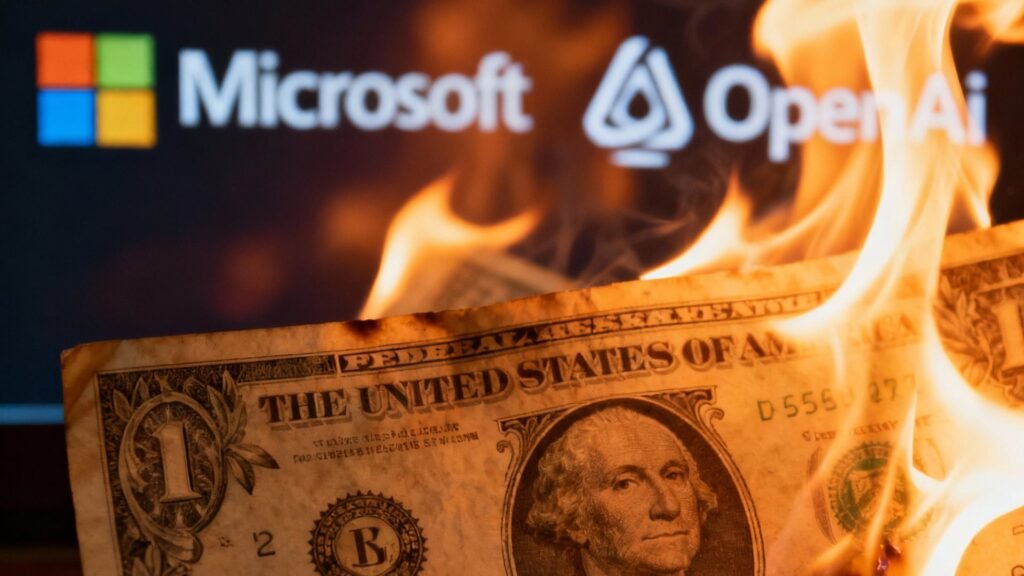
OpenAI and Microsoft are further breaking down their close relationship. The ties between the two companies have now been realigned. While OpenAI receives more freedom, Microsoft can still be sure of continued bubbling profits.
Payments are regulated
Under the revised agreement, payments from OpenAI to Microsoft will continue until 2030, but will be capped in the future. According to media reports, the current share of 20 percent will remain. Microsoft would continue to receive revenue from paid services such as ChatGPT, while the Redmond company itself no longer has to make payments to OpenAI. Another key point: Microsoft no longer needs to prepare for the eventuality that OpenAI achieves so-called artificial general intelligence (AGI). This refers to a system that reaches or exceeds human capabilities. Previous contractual regulations had given this scenario particular importance.
To date, OpenAI has primarily relied on Microsoft’s Azure infrastructure as the basis for its services. The company can now also rent data centers from competitors such as Amazon or Google. Despite the opening, Microsoft remains OpenAI’s most important cloud partner, according to both companies. New products should initially appear on Microsoft Azure unless Microsoft decides otherwise. At the same time, however, OpenAI is given significantly more freedom in marketing its offerings.
The realignment comes at a time of growing tensions between the long-standing partners. Microsoft had invested more than $13 billion in OpenAI since 2019 and was considered a key supporter of the company. In the meantime, however, both sides are making greater inroads into each other’s business areas. OpenAI is increasingly seeking direct corporate customers, while Microsoft is expanding its own AI offerings.
More freedom for OpenAI
OpenAI recently admitted internally that the previous partnership had made it more difficult to work with some major customers. The company explained that the new model should make cooperation easier, more flexible and more reliable. There are also changes to usage rights: Microsoft will retain access to OpenAI’s intellectual property in the area of AI models until 2032.
However, this license is no longer exclusive. At the same time, OpenAI is pushing ahead with its expansion. A far-reaching collaboration with Amazon only became known in February. Accordingly, Amazon wants to invest udp to 50 billion dollars. In addition, Amazon customers will be given access to OpenAI models via the in-house service Bedrock.

Digital marketing enthusiast and industry professional in Digital technologies, Technology News, Mobile phones, software, gadgets with vast experience in the tech industry, I have a keen interest in technology, News breaking. Can be reached at yasir.zeb@researchsnipers.com