How Technology Is Quietly Reshaping the Way We Buy HVAC
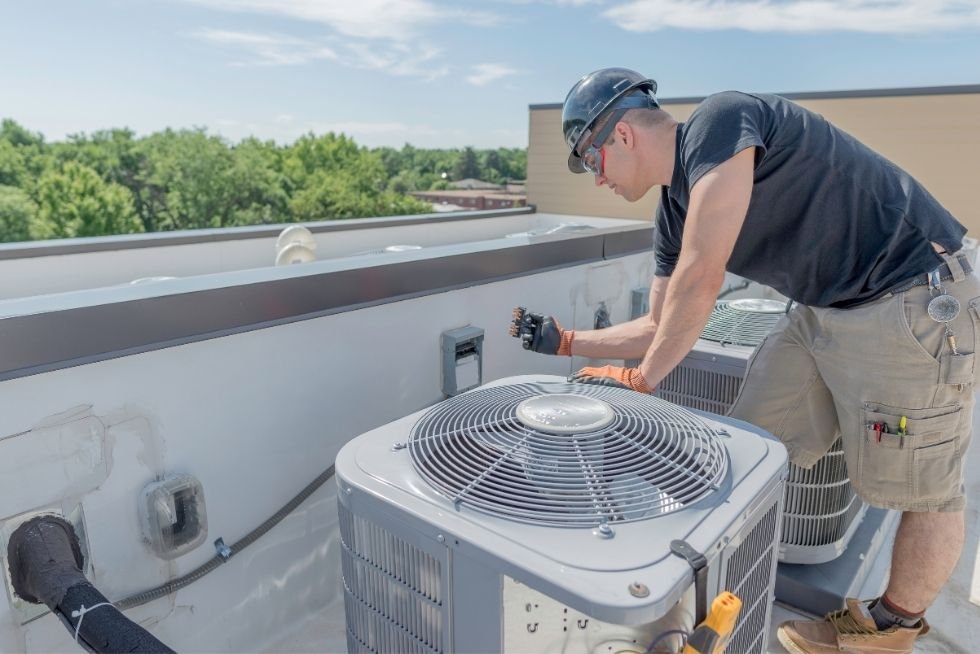
An HVAC technician installing a smart thermostat, highlighting their role in promoting energy efficiency and eco-friendly living.
Most conversations about smart technology focus on the flashy stuff: phones, wearables, electric vehicles, and whatever the current wave of AI happens to be doing this month. Heating and cooling rarely makes the list. Yet the humble HVAC system has been absorbing the same forces that reshaped every other purchase in our lives, and the change is worth paying attention to whether you run a business or just own a home.
The shift shows up in two places at once. The equipment itself is getting smarter, and the way people research and buy it has moved almost entirely online. Together those trends are handing ordinary buyers a level of control that used to belong only to contractors and distributors.
Smarter systems, smarter data
The modern air handler is no longer a dumb box that runs until it dies. Connected thermostats learn occupancy patterns, variable speed compressors adjust output instead of slamming on and off, and building sensors feed usage data back to owners who want to see where their energy actually goes. For a facility manager, that data turns a vague utility bill into a map of which zones cost the most and which units are quietly failing.
This matters because heating and cooling is one of the largest recurring energy expenses most properties carry. When you can see consumption at the unit level, replacing an aging system stops being a guess and becomes a calculation. The payback period is right there in the numbers.
The internet moved the purchase upstream
For decades, buying a system meant calling a contractor, taking their word on the model, and paying whatever the invoice said. The hardware and the labor were bundled into a single quote, and comparing options meant collecting competing bids and hoping they described the same thing.
Online retail broke that bundle apart. Buyers can now study specifications, efficiency ratings, and pricing before anyone sets foot on the property. Working through a dedicated resource for the best hvac equipment lets a buyer understand the real differences between brands and configurations first, then bring an informed position to the installation conversation. The contractor still handles what they do well. The owner just stops flying blind on the part they are paying the most for.
Efficiency is now a data problem
Choosing equipment used to be an exercise in matching tonnage to square footage and calling it done. Technology has made the decision richer and, honestly, more interesting. Seasonal efficiency ratings, refrigerant type, staging capability, and compatibility with smart controls all feed into the total cost of ownership.
The cheapest unit on paper is frequently the most expensive one to run. A system with a higher efficiency rating costs more at purchase but pulls less power across thousands of operating hours, and in a commercial setting those hours add up fast. Rebates, financing offers, and depreciation rules can shift the math further. None of it is visible if you only compare sticker prices, which is exactly why data-literate buyers keep coming out ahead.
Trust signals in a click-to-buy world
Buying complex equipment online only works if you can trust the seller on the other end. Anyone can publish a polished storefront. What separates a reliable retailer from a risky one is how it handles shipping, warranties, support calls, and the inevitable problem that crops up after the sale.
That is where the same technology that enabled online buying also protects the buyer. Independent reviews, forum threads, and third party breakdowns are all searchable before you commit a dollar. Reading through an assessment of ac direct and comparable retailers reveals patterns that no marketing page will admit to, from delivery reliability to how quickly support actually responds. Aggregate feedback is a signal, and ignoring it is a choice.
Where this goes next
The trajectory is clear. Systems will keep getting more connected, purchase data will keep getting more transparent, and the gap between an informed buyer and an unprepared one will keep widening. The tools to land on the right side of that gap are already public and mostly free to use.
Heating and cooling will probably never feel exciting. It does not need to. What technology has done is make it knowable, and a knowable expense is one you can plan around instead of dread. For anyone buying equipment in the next few years, a little time spent with the data upfront is the difference between a smart purchase and an expensive surprise.

Alexia is the author at Research Snipers covering all technology news including Google, Apple, Android, Xiaomi, Huawei, Samsung News, and More.