Mysterious skin disease in boys found to be linked to laptop use

Laptops on the stomach make for very comfortable use. But the constant waste heat from computers poses unexpected risks. In a young patient, the constant heat triggered toasted skin syndrome and visibly damaged the skin.
Unclear skin changes
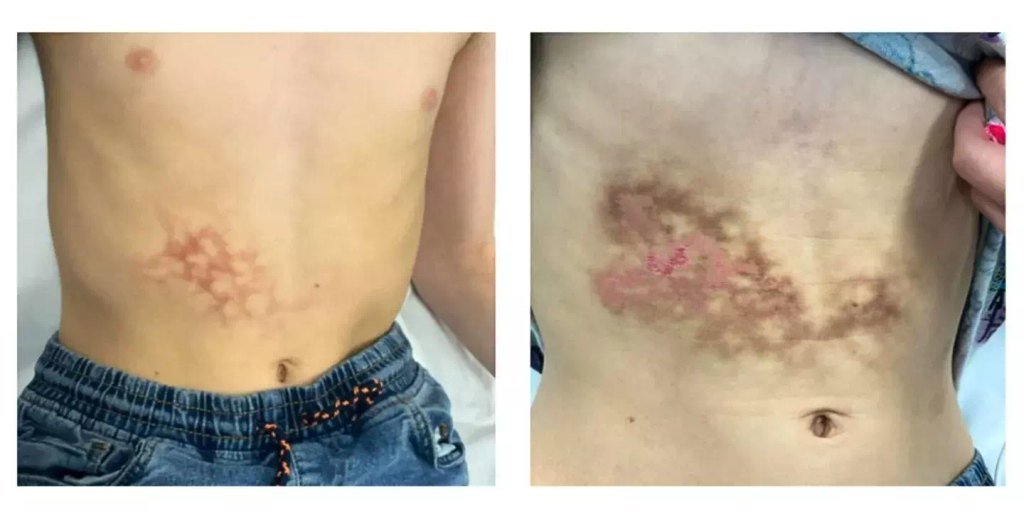
A young patient presented doctors in a British hospital with a diagnostic challenge and initially a puzzle. The young pre-teen man had web-like bruises on his stomach, which were initially interpreted as spontaneous bleeding or internal injuries. All blood tests and ultrasound examinations were unremarkable. The boy was initially released with suspicion of a harmless injury as there were no other symptoms. Two weeks later, the patient returned to the emergency room.
The rash had become darker, painful and the skin was peeling. However, when questioned more closely, the cause became clear: the boy stated that he placed a laptop on his stomach for up to eight hours a day. He noticed the heat from the device while charging but ignored it for weeks. The constant waste heat from the computer ultimately caused the symptoms.
Heat as an underestimated danger
Like the science platform Scimex According to reports, the doctors then diagnosed the so-called erythema ab igne, which is also known in medicine as toasted skin syndrome. It is caused by repeated and long-term exposure to low heat on the skin. The clinical picture typically develops at temperatures between 43 and 47 degrees Celsius. This damages the blood vessels near the surface and causes the typical net-like pattern.
In the past, the condition mainly occurred in adults who used hot water bottles or heating pads for long periods of time. Due to the spread of mobile devices, doctors are now increasingly observing the syndrome in children and adolescents. One advantage of the diagnosis is that in most cases the treatment is simple. When the direct heat source is removed, the skin often heals on its own without medical intervention.
Late effects are rare
Although the skin lesion is often viewed as a purely cosmetic problem, it carries long-term risks. In rare cases, chronic exposure to heat can lead to permanent pigmentation disorders. If it lasts for a very long time, there is also a risk that the permanently damaged cells will mutate and skin cancer will develop.
For the boy being treated, it was enough to no longer place the computer on his bare torso. A phone call with the father a few months later confirmed that the rash had completely disappeared. To avoid such incidents, doctors advise placing electronic devices on a table or using insulating pads.

Priti Rajpoot is a technology journalist and contributor at ResearchSnipers, covering the latest in tech news, innovation, and digital trends across the world. From startups and AI to cybersecurity and consumer gadgets. She can be reached here: priti.r@researchsnipers.com