Huawei confirms the development of Chinese EUV lithography
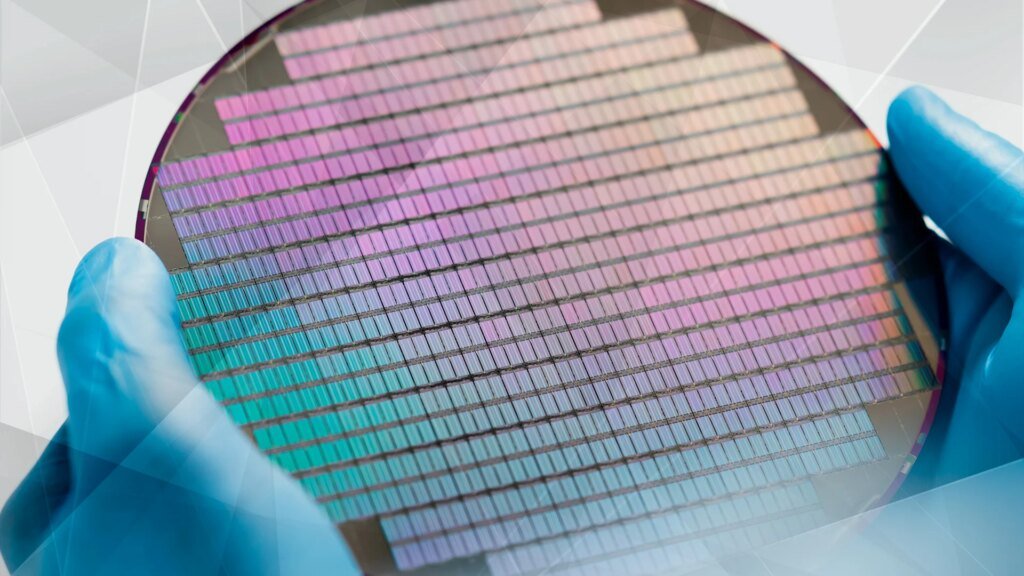
China is working on its own EUV lithography in order to be able to produce particularly powerful chips in the future without foreign key technologies. This was confirmed by Richard Yu, Chairman of the Huawei Consumer Business Group.
Schedules not yet on the table
The Chinese chip industry is currently unable to keep up with large producers such as TSMC or Samsung because it cannot access Western production technologies due to a technology embargo. This is primarily about EUV machines from the Dutch manufacturer ASML, which no one else in the world can offer in comparable quality. China has been trying to catch up technologically for some time. However, it will probably be some time before the ultra-modern production facilities are actually ready for use. Currently, the Chinese semiconductor industry continues to rely on the older DUV technology.
Yu made the comments loudly at an international media briefing Huwaei Central on the technological challenges of the Chinese chip industry. Among other things, it was about how new chip designs affect hardware performance and what additional capabilities China needs to catch up in the competition for powerful processors. Especially in the age of artificial intelligence, computing power directly on smartphones and other devices is becoming increasingly important. When AI tasks are processed locally, applications can respond more quickly while less data has to be transferred to external servers. According to Yu, increasingly advanced manufacturing processes are necessary to provide the required performance.
Bridge technologies in use
Extreme Ultraviolet Lithography (EUV) is one of the most important technologies for the production of particularly small and powerful semiconductor structures. It makes it possible to transfer extremely fine circuit patterns to silicon wafers. The process therefore plays a central role in the production of modern, cutting-edge chips. Until the required manufacturing technology is available, Huawei is trying to compensate for the existing limitations with other approaches. This includes the LogicFolding concept presented by the company. It is intended to help improve the performance of the chips despite limited access to state-of-the-art manufacturing processes.
Yu also pointed to a systematic development approach in which Huawei continuously optimizes the performance of the entire system. The company wants to partially compensate for disadvantages in chip production. However, whether this strategy will be sufficient in the long term to keep pace with the world’s leading semiconductor manufacturers also depends on how quickly China can develop its own manufacturing infrastructure. See also:

Research Snipers is currently covering all technology news including Google, Apple, Android, Xiaomi, Huawei, Samsung News, and More. Research Snipers has decade of experience in breaking technology news, covering latest trends in tech news, and recent developments. Can be reached at author1@researchsnipers.com