Prices make Chinese AI storage profitable despite little yield
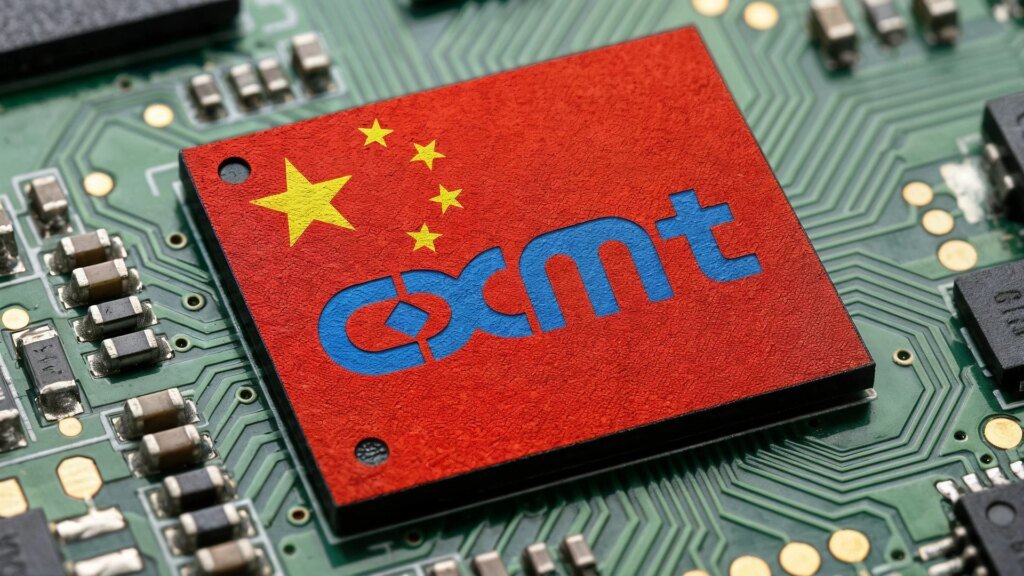
The storage crisis is once again producing strange results. CXMT from China wants to compete with Samsung & Co. with its own AI RAM, although production has been anything but smooth so far. Because of the high prices, the step is still worth it for CXMT.
CXMT only has 20-30 percent yield on HBM3E
Chinese memory manufacturer CXMT plans to begin marketing memory for AI systems soon, although it has not yet been able to increase manufacturing yields to normal levels. This is possible because you can still earn money with the comparatively few chips that are actually usable. Like US news agency sources Reuters report, ChangXin Memory Technology (CXMT), China’s largest memory manufacturer, will soon begin commercially marketing HBM3E memory for AI systems, although the production yield so far is 20 to 30 percent. This means that at most a third of the chips manufactured can be used reliably.
Chinese chipmakers are lining up
HBM3E is a further developed variant of the so-called third generation high-bandwidth memory, which is designed with extremely high memory bandwidths for use as part of AI chips. According to the report, CXMT has already supplied samples of its HBM3E memory to a number of companies in China that are testing it in conjunction with their AI chips. It is said that production of limited quantities will begin within the next two months. Due to the low production yield of only 20 to 30 percent, CXMT has so far had to either dispose of or rework the lion’s share of the chips, which makes production comparatively more expensive. Compared to the HBM3 chips from non-Chinese manufacturers such as Samsung, SK Hynix or Micron, CXMT’s chips are likely to be more expensive due to the lower manufacturing yield. At SK Hynix, the yield, also known as yield, is currently around 70 percent.
Because Chinese chipmakers have limited access to HBM3 memory due to US and other Western sanctions, CXMT is likely to benefit from strong demand directly from China. As a result, people are likely to be more willing to accept the higher prices in order to even get access to the chips that are placed on the actual AI computing units during packaging in order to guarantee the highest possible bandwidths and short paths.

Research Snipers is currently covering all technology news including Google, Apple, Android, Xiaomi, Huawei, Samsung News, and More. Research Snipers has decade of experience in breaking technology news, covering latest trends in tech news, and recent developments. Can be reached at author1@researchsnipers.com