Accidentally published access data can be misused in seconds
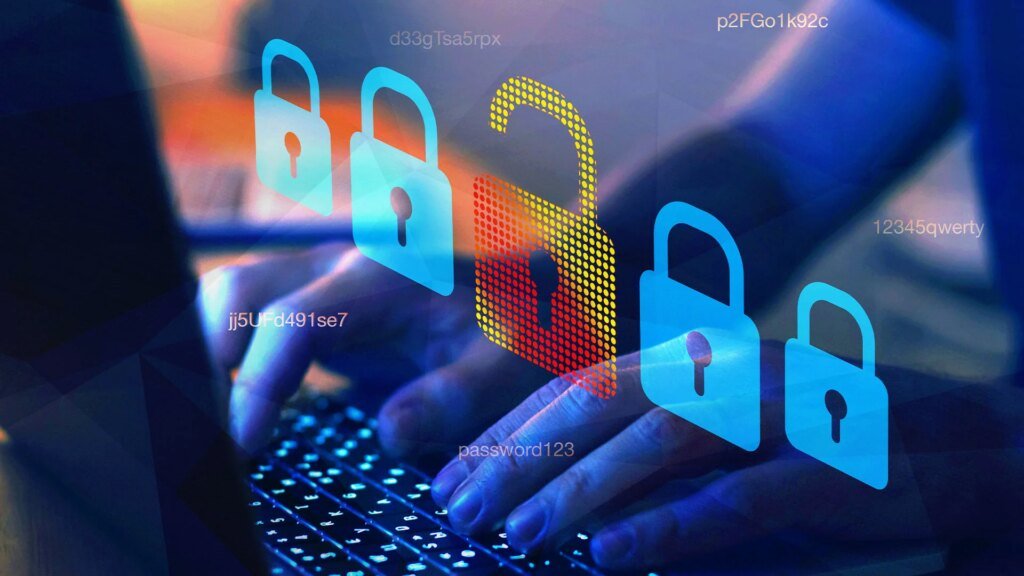
Anyone who accidentally stores access keys in public Docker images, for example, can expect almost immediate misuse. Tests with numerous honeypots have shown this.
Honeypots do amazing things
Security researchers have proven that automated systems can sometimes read such secrets less than eight seconds after they are published. API keys for AWS, OpenAI and Anthropic are among those affected. For your Investigation Billy Tsouvalas and Nick Nikiforakis from Stony Brook University published a total of 300 prepared container images on eight public container registries. Over a period of four months, they deliberately placed fake credentials, including cloud keys as well as SSH and database credentials. They then monitored when and how the information was accessed and used by third parties.
The results show a significant pace in the automated search for such information. The test images were downloaded more than 75,000 times in total. The stored AWS keys alone triggered over 140,000 API calls, which came from around 5,000 different IP addresses. In one case, the first access occurred just 7.86 seconds after publishing an image to Docker Hub. The median time was just 51.19 seconds. All 100 AWS keys placed were used within 15 minutes. The attackers did not limit themselves to simple functional tests. In some cases, they requested available cloud resources or actively used the access data. The stored OpenAI and Anthropic keys were also misused in order to use up the balance of the specially set up test accounts.
With little effort
The attackers’ approach was also striking. The researchers could hardly detect any activity during which the prepared containers were actually launched. Instead, the research suggests that automated scanners extract the credentials directly from the image layers. They don’t even have to run the containers. The researchers call these automated search tools “ContainerBots.” However, this is not a uniform group of attackers, but rather a collective term for different scanners.
Tsouvalas and Nikiforakis presented their results at the ACM Conference on Computer and Communications Security. They recommend that Docker Hub automatically scan published images for secrets they contain and warn users about accidentally embedded credentials. In addition, the public feed of new images should be more restricted to make mass automated retrievals more difficult.