Costly Mistakes to Avoid When Buying Skid Steer Attachments
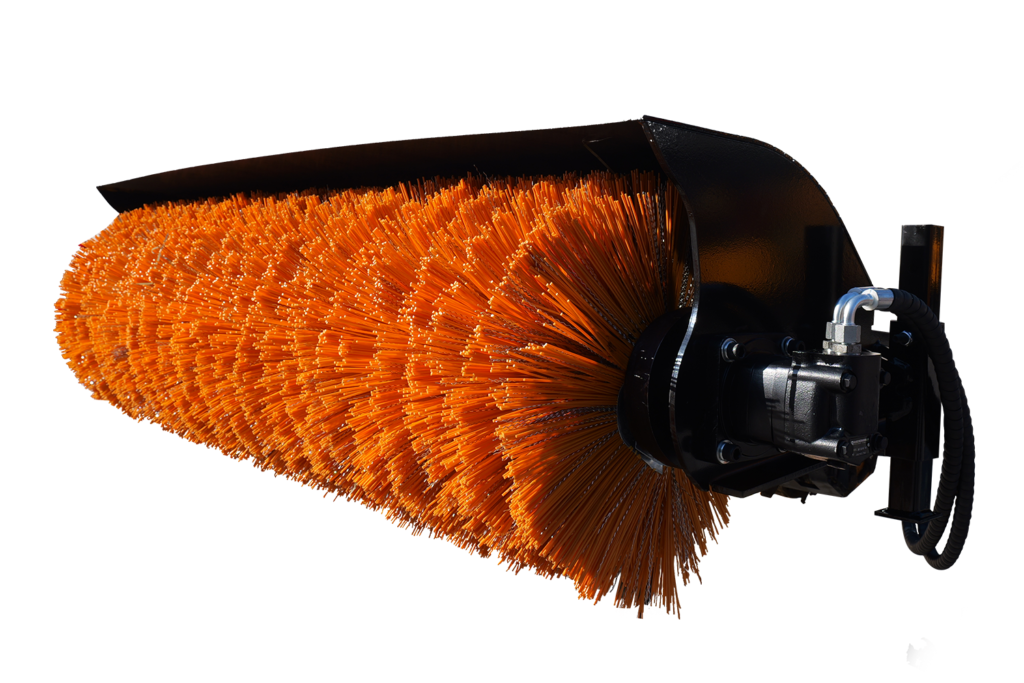
The versatility of a skid steer collapses fast when the wrong tool shows up on the trailer. Buyers who focus on the sticker price and the specs of the coupler discover the hidden failure points only after the machine is stalling under load, the hydraulic system is running hot, or the attachment is sitting in the yard because it doesn’t seat properly on the frame after all. Every one of those outcomes is preventable, but only if you know what to check before the invoice gets signed.
This piece breaks down the recurring errors that turn a promising purchase into a lasting regret. It covers hydraulic mismatches, coupler compatibility problems that specs alone don’t reveal, balance and lift-capacity oversights, and the false economies around wear parts and after-sale support. Read it as a defensive checklist before you commit, whether you’re outfitting a new machine or filling gaps in an existing lineup that has already taught you a lesson or two.
Ignoring Hydraulic Flow Requirements
The single most common expensive mistake is buying a tool rated for hydraulic flow the host machine can’t actually supply. Standard-flow skid steers deliver something in the range of seventeen to twenty-four gallons per minute, while high-flow units run from thirty to forty. Many powered attachments — planers, forestry mulchers, brush cutters, and cold-milling heads — need high-flow to reach their rated performance in real work.
The attachment will physically connect either way, and it will run at reduced flow. What owners discover a month in is that the tool cuts at half speed, overheats the hydraulic fluid, and shortens the life of both the machine’s pump and the attachment’s motor. If your work involves heavy-load applications, confirm your machine’s flow rating and pressure before shopping, and select skid steer attachments that fall inside those numbers with real margin to spare rather than at the edge of the spec.
Overlooking Coupler Compatibility
The industry has largely standardized on the universal quick-attach mounting plate, and that standardization creates a false sense of security. The plate itself is one interface. The hydraulic couplers, the electrical harnesses on machines with integrated case drains, and the pin spacing on some older or off-brand units are separate compatibility questions that a spec sheet may not surface clearly until the tool is on your loading dock.
Universal Doesn’t Always Mean Fits
Skid steer manufacturers with legacy machine lines sometimes use non-standard plate dimensions, and a “universal” attachment ordered for one brand may not seat correctly on another. The mounting flanges can be a fraction of an inch off, the latch mechanism may not engage, or the plate angle may prevent the tool from tilting fully through its designed range. Verify with photos, actual measurements, or a physical trial if possible before you take delivery from a supplier you haven’t worked with.
Older machines built before universal adoption use proprietary mounts, and adapters exist but add weight at the worst possible location — the front of the boom, where extra weight subtracts directly from lift capacity. If you’re running an older machine, budget for adapters in the total cost of an attachment purchase rather than treating them as a surprise line item.
Auxiliary Line Ratings You Can’t Skip
Hydraulic auxiliary lines rated at standard pressure won’t survive high-flow duty for long. If you’re stepping up from standard to high-flow tools, or moving from occasional to daily hydraulic tool use, the hoses, quick-connects, and fittings on the machine side deserve inspection before the new attachment arrives. Buying a premium high-flow tool and routing its oil through worn or under-rated hoses turns an expensive purchase into a leak factory and voids most warranty claims when the failure occurs.
Underestimating Weight and Balance Effects
Every tool shifts the machine’s center of gravity forward, and heavy attachments do it dramatically. A brush grapple loaded with material can push a standard skid steer’s rear-tire load light enough to affect traction and steering on slopes. Manufacturers publish rated operating capacity numbers that assume balanced conditions; heavy tools derate the machine below those numbers in ways that spec sheets don’t always highlight for buyers comparing options.
Counterweights address the problem for machines that regularly run heavy attachments, but they add cost, take up rear-mount real estate, and reduce fuel economy from the added mass. The better strategy is to size the tool to the machine rather than the other way around, and to reserve overweight attachments for situations where the productivity gain justifies the compromise on stability and daily operating cost.
Skimping on Wear Parts and Support
The cheapest tool on the market is often the one whose wear parts are hardest to source six months in. Cutting edges, teeth, blades, tines, and belts wear on any regular schedule of use, and being unable to get replacement parts turns a working attachment into a paperweight. Before buying, check that consumables are stocked domestically, that lead times are measured in days rather than weeks, and that a local dealer will support warranty claims without shipping the whole unit back to the factory across an ocean.
Off-brand attachments have improved considerably in build quality over the last decade, but the aftermarket support gap remains real. MMS INDUSTRIAL and other established manufacturers maintain parts inventories and dealer networks that make routine wear-part replacement a same-week operation. Some smaller importers can’t match that, and buyers who prioritize sticker price alone learn the difference the first time a cutting edge needs replacing on a Tuesday morning during a job with a hard deadline.
Confusing Rated Capacity With Real-World Performance
Spec sheets describe tools in ideal conditions, and real work seldom matches those conditions. A pallet fork rated for thirty-five hundred pounds assumes a centered load with the tines fully engaged; an off-center load or partially seated pallet cuts that capacity in half or worse. Trencher depths assume soft soil, and rocky ground reduces both speed and achievable depth. Sweeper widths quoted in the catalog are physical widths, not effective sweep widths, which depend on brush condition and wind on the day of the job.
Ask sellers for performance data from conditions that match yours. Talk to other owners running the same tool in similar work, and pay attention to what they mention as recurring problems rather than what they praise. The gap between catalog specs and field performance is where budget assumptions unravel, and the time to catch that gap is before the purchase order goes out, not after the machine has been running the wrong tool for a month.
Rushing the Purchase Without a Trial
Some suppliers offer field trials or short-term rentals that convert to a purchase if the tool performs. Buyers who take advantage of these arrangements catch mismatches that would otherwise become permanent regrets. A morning of trial work on the actual jobsite tells you more about how a tool suits your operation than any amount of catalog research or dealer conversation.
When a trial isn’t available, at least visit a working site where the same attachment is running. Watch how it handles the transitions and the awkward loads that never make it into marketing materials. The tools that look good on paper and disappoint in the field usually reveal that gap within an hour of honest observation on a real job.
Buying Smart the Second Time Around
Most fleet owners have at least one attachment they’d unbuy if they could. The good news is that the mistakes fall into a small number of categories, and every one of them is diagnosable in advance if you slow down enough to check. Match hydraulic flow honestly, verify mounting compatibility with more than a spec sheet, respect the effect of tool weight on the whole machine’s behavior, and buy from suppliers who will still be reachable when a wear part fails on a Friday afternoon. Do those consistently and the attachment lineup becomes the productivity multiplier the skid steer promised in the first place, instead of a shelf of expensive lessons taking up yard space.

Alexia is the author at Research Snipers covering all technology news including Google, Apple, Android, Xiaomi, Huawei, Samsung News, and More.