Common Mistakes in Lab Glassware Insights and How to Avoid Them
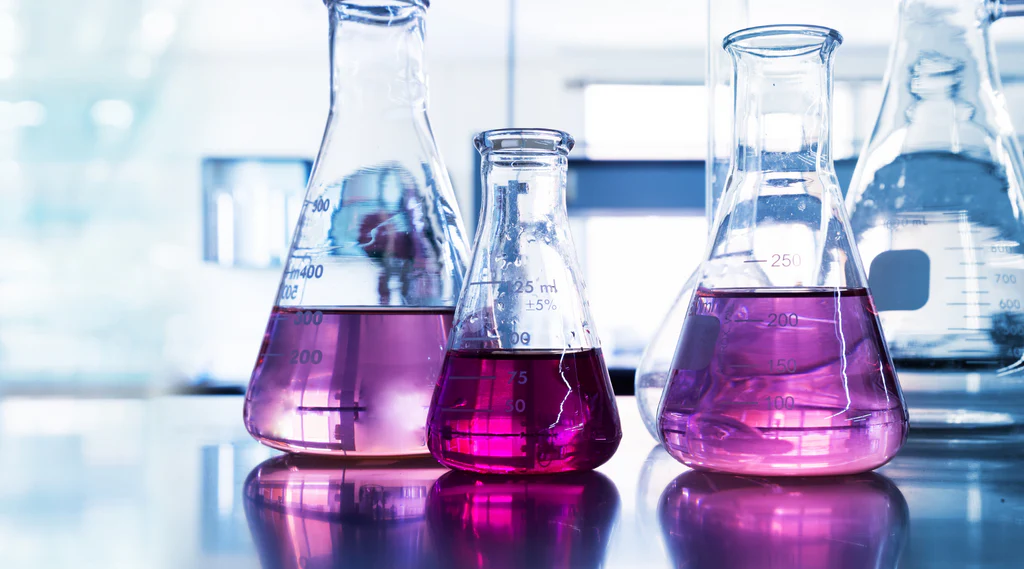
In a laboratory setting, precision and safety are of utmost importance. Mistakes made with lab glassware can compromise the integrity of experiments, lead to inefficient processes, and potentially cause accidents. It is vital for laboratory personnel to be aware of common pitfalls in the handling, usage, and maintenance of lab glassware and develop practices to avoid them.
Understanding Lab Glassware
Before delving into common mistakes, it’s crucial to understand the different types of lab glassware and their purposes. Among these, lab conical flasks are widely used for mixing, heating, and storing chemical solutions, thanks to their conical shape and flat bottom which makes them stable and easy to swirl without risk of spillage. Measuring cylinders are another staple in labs, employed for accurately measuring the volume of liquids. Both types of glassware are indispensable in achieving precise, reliable results in scientific experiments.
Mistake #1: Improper Measurement Techniques
One common error is the incorrect use of measuring devices like measuring cylinders. When measuring liquids, it is essential to ensure that the meniscus, the curve seen at the top of the liquid column, is at eye level and read from the bottom of the curve. This guarantees an accurate measurement. Failing to do so can lead to significant errors in experimental results.
Mistake #2: Using Damaged or Improper Glassware
Another mistake is using glassware that has chips, cracks, or is not suitable for the experiment at hand. Damaged glassware can break under heat or pressure, causing safety hazards and compromising experiments. Always inspect glassware before use and replace any items that show signs of damage.
Mistake #3: Ignoring Cleaning Protocols
Laboratory glassware requires strict cleaning protocols to prevent contamination. Residues from previous experiments can affect subsequent reactions or skew results. Proper cleansing involves using the correct solvents and detergents, thorough rinsing, and adequate drying. Neglecting these steps can render even the most precisely conducted experiment useless.
Best Practices for Handling Glassware
To avoid these mistakes, implementing best practices for handling glassware is necessary. Training should be provided on correct measurement techniques, including the proper way to read a meniscus and the importance of using appropriate glassware for specific tasks. Establishing a systematic cleaning and maintenance schedule for glassware is also imperative.
Mistake #4: Improper Storage
Great care should also be taken in storing glassware. Storing heavy items or stacking glassware too high can lead to accidents. Glassware should be stored in a clean, dry area on stable shelving with adequate space to prevent tipping over and breakage.
Mistake #5: Inapt Handling of Glassware during Experiments
During experiments, a common oversight is mishandling glassware, such as when transferring liquids from one container to another. This can cause spills, contamination, and accidents. Proper technique is key—use funnels where necessary, ensure a stable base, and handle the glassware with care to avoid slips.
Mistake #6: Not Considering Thermal Shock
Thermal shock is another critical consideration. It occurs when glassware undergoes a rapid temperature change, leading to expansion or contraction and potentially causing breakage. To avoid this, heat glassware gradually, allow it to cool before cleaning, and never place hot glassware directly onto cold surfaces.
Mistake #7: Neglecting Compatibility of Glassware with Chemicals
Chemical reactions can be aggressive, and not all glassware is suitable for all chemicals or temperatures. Always verify the compatibility of the glassware material with the chemicals used in the experiment to prevent reactions that could damage the glassware or pose safety risks.
Mistake #8: Overlooking the Importance of Calibration
Measuring devices lose accuracy over time due to wear and tear. Regular calibration of equipment such as measuring cylinders is vital to maintaining the precision of measurements.
Mistake #9: Forgetting to Use Personal Protective Equipment (PPE)
Finally, using PPE is mandatory to protect against cuts from broken glass and exposure to harmful substances. Gloves, goggles, and lab coats should be the standard attire when handling glassware.
Maintaining Lab Equipment
Maintenance of lab equipment such as lab centrifuges is also vital to ensure they are functioning optimally. Well-maintained equipment aids in conducting experiments accurately and safely, complementing the careful use of lab glassware.
Conclusion
In conclusion, familiarity with lab glassware and its proper handling is a critical component of laboratory work. Avoiding the common mistakes mentioned will enhance safety and the reliability of results in any scientific endeavour. Implementing a culture of caution and regular training on glassware usage are proactive steps towards maintaining high standards in research and experimentation.

Alexia is the author at Research Snipers covering all technology news including Google, Apple, Android, Xiaomi, Huawei, Samsung News, and More.