Overclocker cracks Intel’s CPU lock with AI help
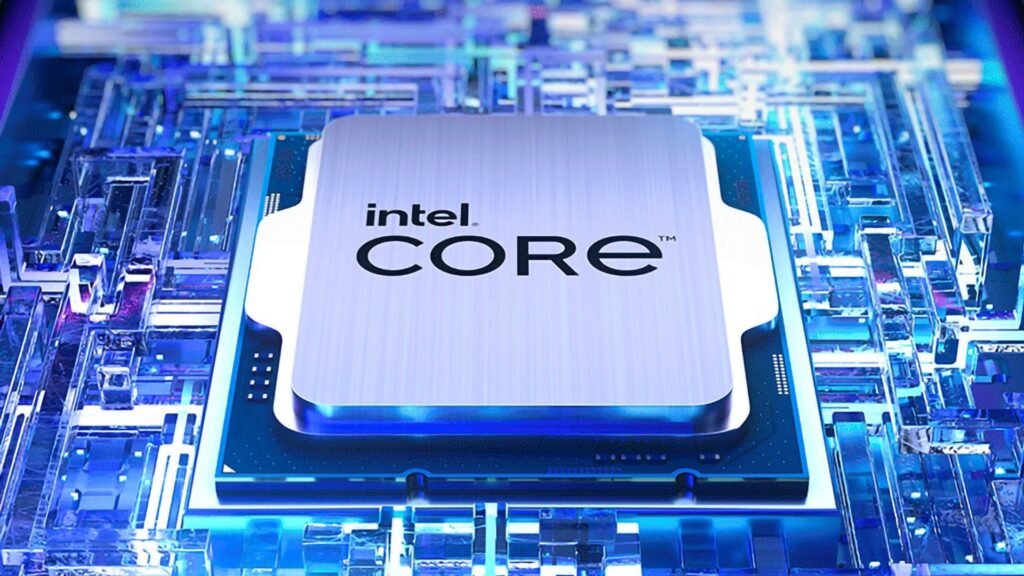
A hobbyist outsmarted Intel and Microsoft: With the help of Claude, an overclocker got the actually blocked Bartlett Lake processor running on a consumer board and used it to start Windows 11 on unsupported hardware.
Ambitious craft project
How Neowin reports a user in the Overclock forum got an Intel processor from the new Bartlett Lake embedded series to run on a consumer motherboard and start Windows 11, even though the platform is not officially supported. Intel has introduced several new CPU families this year, including the Core Ultra series for desktop and notebooks as well as the new Core 200 and Ultra 300 models. Bartlett Lake plays a special role: The chips are intended for embedded and industrial use, rely exclusively on performance cores (P-Cores), retain hyperthreading and mechanically fit into the common LGA1700 socket.
The initial situation
At the same time, Intel is blocking its use on normal consumer boards. Officially, the CPUs are not intended for classic desktop PCs. This is exactly where the modder started with the alias “kryptonfly”. His system contained a Core 9 273PQE, a Bartlett Lake model with 12 cores and 24 threads, mounted on an Asus Z790 motherboard. The first hurdle: the board had to accept the unusual CPU in the first place. With the support of Claude, kryptonfly adjusted the BIOS and the firmware so that the processor could initially be started. The AI helped identify missing or incompatible firmware components and rewrite the code accordingly.
Processor is treated like a Raptor Lake model
The second, even trickier construction site was the path to Windows 11. According to Neowin, this is where the Intel Firmware Support Package (FSP-M) came into play, which is responsible, among other things, for initializing the RAM when booting. By default it refuses service on the Bartlett platform in consumer boards. The hobbyist found a creative solution with the support of AI. He made the FSP-M treat the processor like a Raptor Lake model. The system believed it was a regular desktop CPU and initialized the memory controller and system agent accordingly.
P-Core platform
In a post in the forum, the user was enthusiastic and wrote that the initialization of the System Agent (SA) had been fixed “historically” and could now finally boot into Windows. This shows that the 273PQE, which was previously intended for Windows server scenarios, basically runs with normal Windows 11, despite Intel’s blocks. Technically, this is not surprising. Server 2025 and Windows 11 24H2/25H2 share large parts of the base, and Bartlett Lake is comparatively easy to schedule as a pure P-Core platform because there is no mix of efficiency and performance cores.
The hack is neither intended nor recommended for everyday users. Interventions at this firmware level are highly complex and involve considerable risks. As a technical experiment, the case shows how far enthusiasts can now venture with a combination of specialist knowledge, community help and modern AI – even where manufacturers have actually drawn clear boundaries.

Amit Gohar is Technical writer at ResearchSnipers.com, he is well versed Technology News writer, he has completed is MS computer Science in 2020. He can be reached at amit.g@researchsnipers.com












46 thoughts on “Overclocker cracks Intel’s CPU lock with AI help”